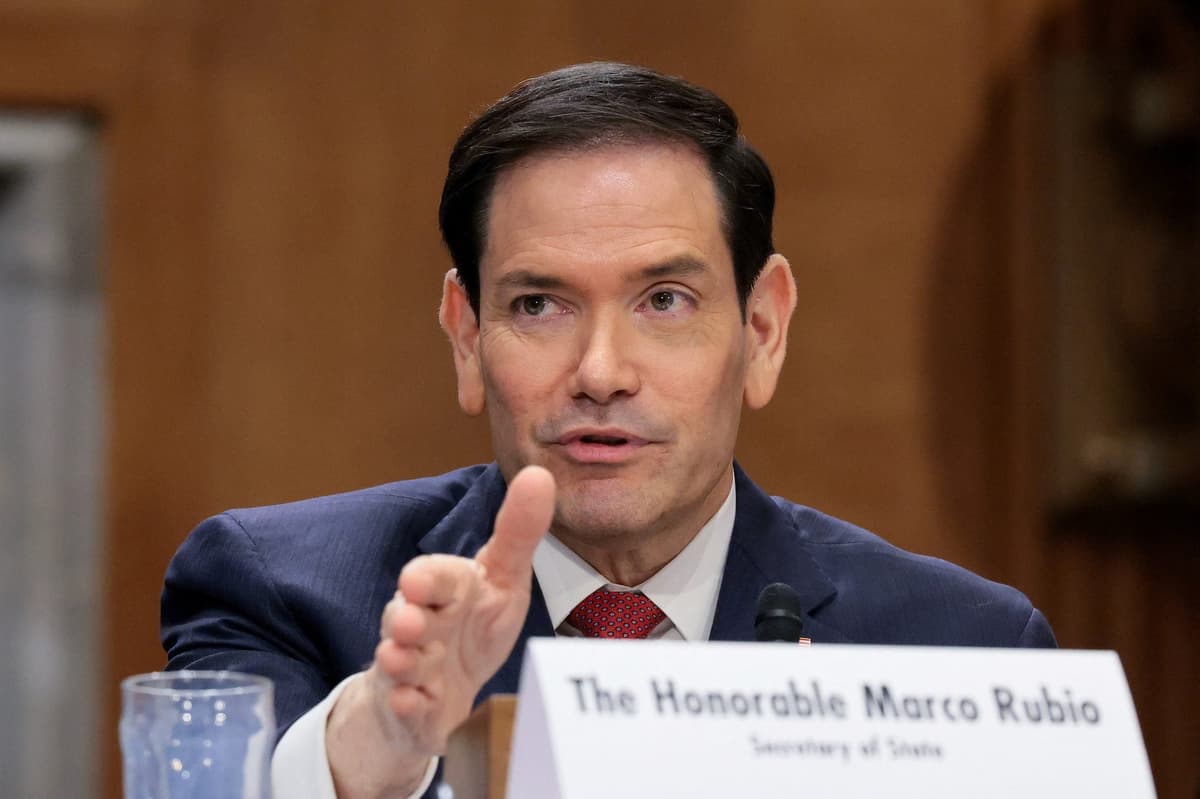
Rubio Tells Congress: No Iran Sanctions Relief for Reopening Strait of Hormuz
Companies Mentioned
Why It Matters
The stance signals limited diplomatic flexibility, affecting oil supply routes and U.S. political calculations ahead of the midterm elections.
Key Takeaways
- •Rubio: sanctions relief only if Iran halts nuclear activities
- •Trump administration pushes 30% foreign aid cut, 50% military spend increase
- •Congress pressures administration over Iran war and Strait of Hormuz reopening
- •Potential sanctions relief linked to billions in Iranian oil revenue
- •GOP split between hawks and moderates ahead of November elections
Pulse Analysis
The condition‑based approach articulated by Rubio reflects a broader U.S. strategy that ties economic incentives to concrete non‑proliferation outcomes. By insisting that any easing of sanctions be contingent on Tehran dismantling its enriched‑uranium facilities, Washington aims to preserve leverage while signaling to allies and adversaries that nuclear compliance remains non‑negotiable. This framework also serves as a diplomatic safeguard, ensuring that any future deal cannot be used to legitimize Iran’s broader regional ambitions.
Domestically, the announcement intersects with a contentious budget proposal that would slash foreign aid by roughly a third while inflating the defense budget by half. Congressional leaders, especially on the Senate Foreign Relations Committee, are using the Iran debate to extract concessions on spending and to demand greater transparency on war‑powers authorizations. The internal GOP divide—between hawkish members demanding a hard line on Tehran and moderates focused on lowering gasoline prices before the November elections—adds another layer of complexity to the administration’s negotiating calculus.
From a market perspective, the uncertainty surrounding sanctions relief and the status of the Strait of Hormuz directly influences global oil flows. A prolonged closure or heightened tension could tighten supply, pushing U.S. gasoline prices higher at a time when voters are already sensitive to inflation. Conversely, a credible pathway to limited sanctions easing, tied to verifiable nuclear steps, could stabilize the corridor and ease price pressures. Investors and policymakers alike will be watching how the administration balances strategic security goals with immediate economic concerns as the election cycle intensifies.
Rubio Tells Congress: No Iran Sanctions Relief for Reopening Strait of Hormuz
Comments
Want to join the conversation?
Loading comments...