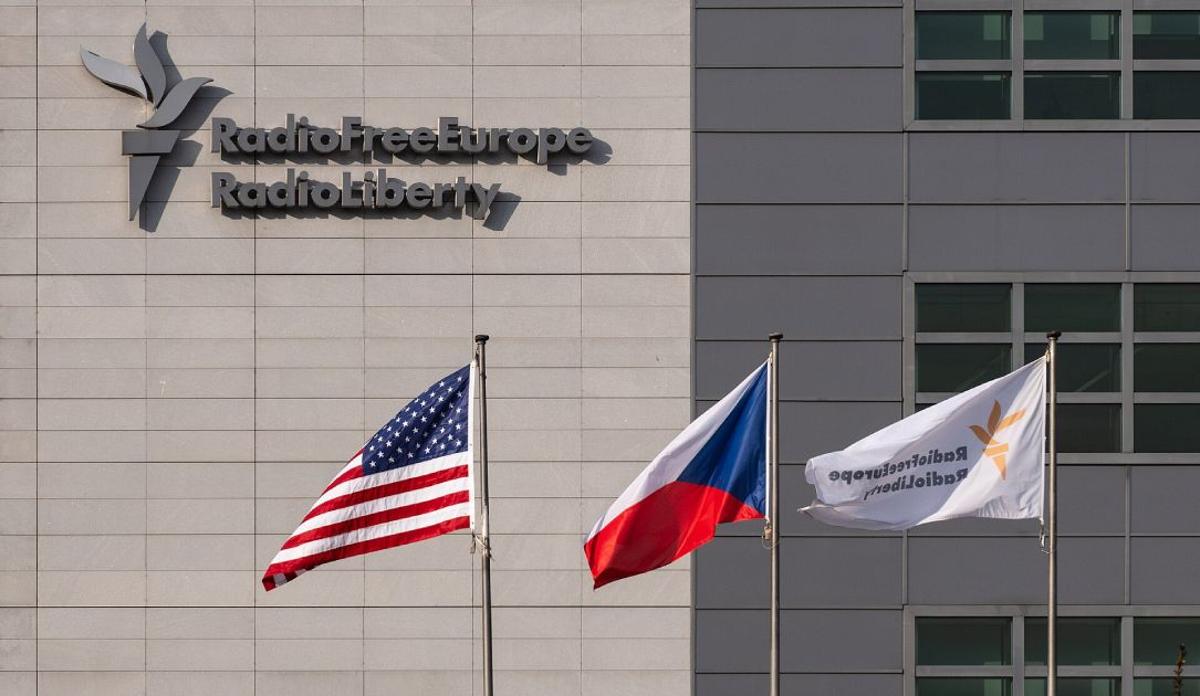
Russia Accuses Former Radio Free Europe Journalist of Aiding Cyberattacks for Ukraine
Companies Mentioned
Why It Matters
The case heightens legal risk for journalists and tech platforms in Russia and illustrates how the state ties information sharing to cyber warfare, potentially chilling independent reporting and foreign‑media operations.
Key Takeaways
- •Former Radio Free Europe journalist detained on treason charges in Russia
- •FSB says he sent print data to Ukrainian intelligence via Telegram
- •Case highlights Kremlin crackdown on foreign media and Telegram‑linked dissent
- •Novaya Gazeta office raided over alleged illegal data use and undesirable ties
- •Telegram still sees ~65 million daily Russian users despite government blocking attempts
Pulse Analysis
The detention of a former Radio Free Europe correspondent marks the latest escalation in Russia’s campaign against foreign‑funded media. After being labeled a "foreign agent" in 2020 and an "undesirable" organization in 2025, the outlet’s contributors now face treason accusations for allegedly supplying data to Ukraine’s security services. By framing information sharing as a direct aid to cyberattacks, Moscow is expanding the scope of its treason statutes, which historically targeted espionage and military secrets, to encompass journalistic activity that challenges the state narrative.
Telegram has become a focal point for these prosecutions. The platform’s encrypted channels enable rapid dissemination of intelligence, financial support for banned groups, and coordination among activists. Recent investigations have linked Telegram’s virtual‑currency feature, Telegram Stars, to funding the Freedom of Russia Legion and other anti‑Kremlin entities. Despite repeated attempts to block the service, founder Pavel Durov reports roughly 65 million Russians continue to use the app daily, often via VPNs, underscoring its resilience and strategic importance in the information war.
For the broader media ecosystem, the raid on Novaya Gazeta’s Moscow office signals that the crackdown is not limited to foreign broadcasters. Authorities cited alleged illegal data handling and connections to “undesirable” outlets, blurring the line between cybercrime investigations and suppression of dissent. International watchdogs warn that such legal pressure could stifle investigative reporting and limit the flow of reliable information about the Ukraine conflict, while also complicating cyber‑security collaboration between Russian and Western entities. The convergence of media repression and cyber‑security enforcement highlights the Kremlin’s intent to dominate both narrative and digital domains.
Russia accuses former Radio Free Europe journalist of aiding cyberattacks for Ukraine
Comments
Want to join the conversation?
Loading comments...