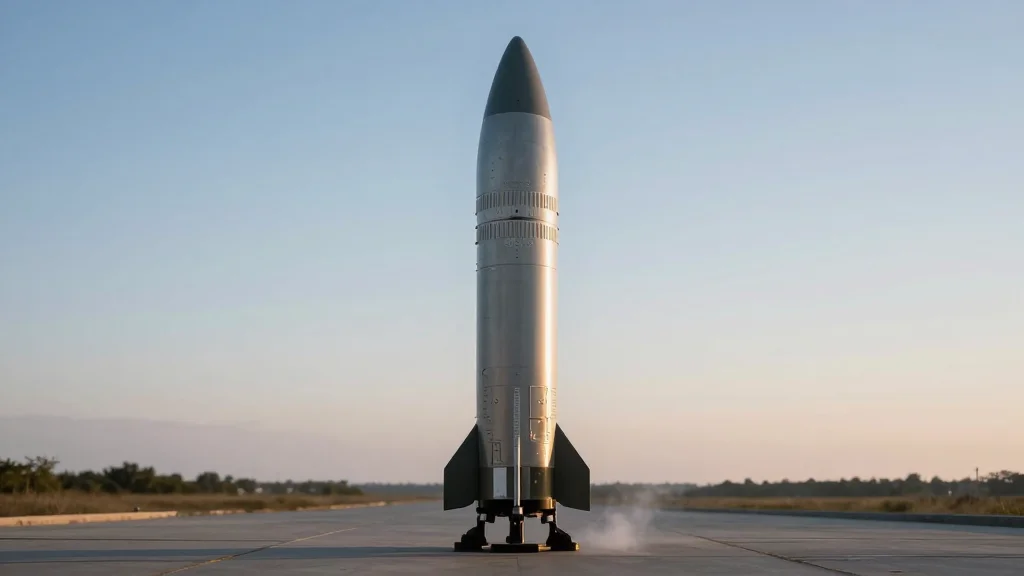
Russia and Belarus Finish Joint Nuclear Drill Involving ICBMs, Submarines and Strategic Bombers

Why It Matters
The joint drill signals a tangible deepening of Russia‑Belarus nuclear integration, effectively extending Russia’s strategic reach into the heart of Europe. By rehearsing the deployment of ICBMs, submarine‑launched missiles and tactical nuclear weapons from Belarusian territory, Moscow demonstrates the ability to threaten NATO’s eastern flank with both strategic and battlefield nuclear options. This raises the risk of miscalculation, as any conventional conflict involving Belarus could now be framed as a nuclear‑escalation scenario under Russia’s revised doctrine. For NATO, the exercise forces a reassessment of deterrence posture. The alliance must balance the need to reassure eastern members with the danger of provoking a nuclear‑focused response. The drill also highlights the growing importance of non‑nuclear countermeasures, such as missile defense and early‑warning systems, to mitigate the credibility of Russia’s nuclear signaling.
Key Takeaways
- •Russia and Belarus completed a three‑day nuclear drill involving 64,000 troops and 13 submarines, eight of which carried ICBMs.
- •The exercise tested Yars, Sineva, Zircon, Kinzhal and Iskander missiles, as well as the Oreshnik intermediate‑range system stationed in Belarus.
- •President Vladimir Putin and President Alexander Lukashenko personally oversaw the drills, framing them as essential for national security.
- •The drill coincides with NATO’s emergency meeting in Sweden, where European allies voiced concerns over Russia’s lowered nuclear use threshold.
- •Russia’s 2024 nuclear doctrine revision places Belarus under the Russian nuclear umbrella, allowing Belarus to select targets while Moscow retains launch control.
Pulse Analysis
The Russia‑Belarus drill marks a strategic inflection point in Eastern Europe’s security architecture. By integrating Belarusian territory into its nuclear command structure, Moscow effectively creates a forward‑deployed nuclear posture that shortens response times and complicates NATO’s early‑warning calculations. Historically, Russia has relied on a dispersed but centrally controlled nuclear force; this joint exercise suggests a shift toward a more distributed deterrent that can be leveraged politically.
From a market perspective, the drill could spur increased defense spending among NATO members, particularly in missile‑defense and conventional precision‑strike capabilities. Countries bordering Russia are likely to accelerate procurement of longer‑range conventional weapons to offset the perceived nuclear threat, a trend already evident in the NATO foreign‑ministers’ push to meet the 5% GDP defense‑spending target. Simultaneously, the exercise may embolden other Russian allies, such as Iran or North Korea, to pursue closer nuclear cooperation, potentially igniting a broader proliferation cascade.
Looking ahead, the key question is whether the joint drills will translate into a permanent operational framework or remain a periodic show of force. If the former, NATO will need to develop new crisis‑management channels with Belarus to prevent accidental escalation. If the latter, the drills serve primarily as a political signal, reinforcing Russia’s narrative that any conventional challenge will be met with a credible nuclear response. Either scenario underscores the urgency for diplomatic engagement and confidence‑building measures to prevent the nuclear rhetoric from spilling into actual use.
Russia and Belarus Finish Joint Nuclear Drill Involving ICBMs, Submarines and Strategic Bombers
Comments
Want to join the conversation?
Loading comments...