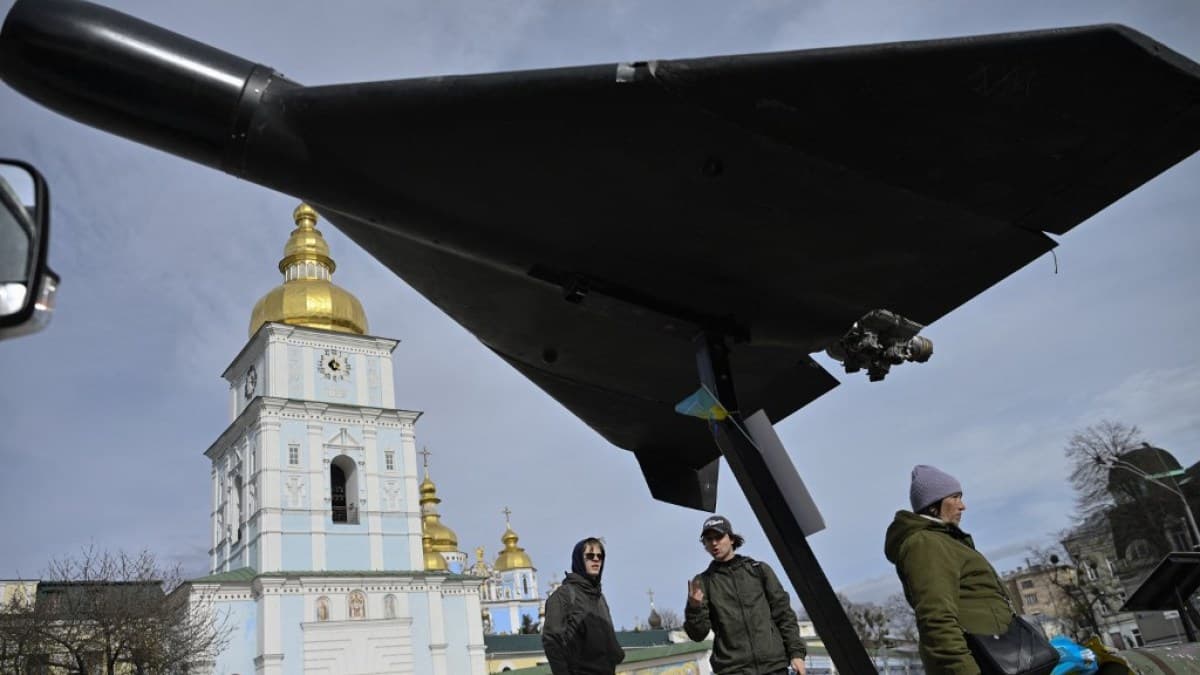
Russia and Ukraine Agree to 32-Hour Orthodox Easter Ceasefire
Why It Matters
The ceasefire provides a brief humanitarian window and a test of reciprocal goodwill, but it does not resolve the underlying diplomatic stalemate, highlighting the war’s persistent volatility.
Key Takeaways
- •32‑hour Easter ceasefire starts 4 pm Moscow time Saturday
- •Both sides pledged to honor pause despite ongoing artillery attacks
- •Humanitarian exchanges continue, with 1,000 Ukrainian and 41 Russian remains swapped
- •Zelensky warns of heightened political and battlefield pressure through September
Pulse Analysis
The Russian Federation announced a 32‑hour ceasefire for Orthodox Easter, taking effect at 4 p.m. Moscow time on Saturday and ending at midnight Sunday. President Vladimir Putin framed the pause as a reciprocal gesture after Ukraine’s earlier proposal, and President Volodymyr Zelenskyy confirmed Kyiv would observe it. While the truce covers the religious holiday celebrated in both nations, the Kremlin warned its forces remain ready to respond to any violations. The limited window follows a similar short‑lived Easter pause last year, which both sides accused each other of breaching.
Despite the fragile lull, humanitarian channels have stayed active. In recent weeks Moscow handed over the remains of 1,000 Ukrainian soldiers in exchange for 41 Russian servicemen, adding to more than 500 Russian bodies and 19,000 Ukrainian remains returned this year. Turkey continues to mediate these exchanges, which represent one of the few reliable lines of communication between the combatants. The ceasefire therefore serves not only a symbolic religious purpose but also a practical opportunity to reinforce life‑saving cooperation amid stalled diplomatic talks.
Zelenskyy cautioned that the spring‑summer months will bring intensified political and battlefield pressure, projecting a difficult path through September. The Easter truce offers a brief respite but does not signal a broader de‑escalation, as Moscow has not engaged the United States in advance and three‑way peace talks remain dormant. Western attention is shifting toward escalating tensions in the Middle East, leaving Ukraine to navigate growing diplomatic strain while seeking additional temporary pauses, such as halts on energy‑infrastructure attacks, to alleviate civilian suffering.
Russia and Ukraine agree to 32-hour Orthodox Easter ceasefire
Comments
Want to join the conversation?
Loading comments...