Why It Matters
The regiment bolsters Russia’s Arctic and maritime defense, signaling a strategic priority beyond the Ukraine war and enhancing its ability to protect key naval bases and counter emerging unmanned threats.
Key Takeaways
- •New independent helicopter regiment formed at Severomorsk‑2, Murmansk
- •Regiment combines overhauled Mi‑8, Ka‑27, Ka‑29 helicopters for Arctic ops
- •Focus on ship‑borne missions reflects growing anti‑UAV strategy
- •7th Mixed Aviation Corps restructured, separating aviation from Air Defence Army
Pulse Analysis
The establishment of a dedicated helicopter regiment in Russia’s far north underscores a broader shift in Moscow’s force posture. While the bulk of new equipment has streamed to units fighting in Ukraine, the Northern Fleet’s 7th Mixed Aviation Corps has been reorganized to isolate aviation assets from the traditional Air Defence Army. This structural change streamlines command and aligns air assets with the unique demands of Arctic operations, where harsh weather, limited infrastructure, and the proximity of strategic ballistic‑missile submarines require specialized support.
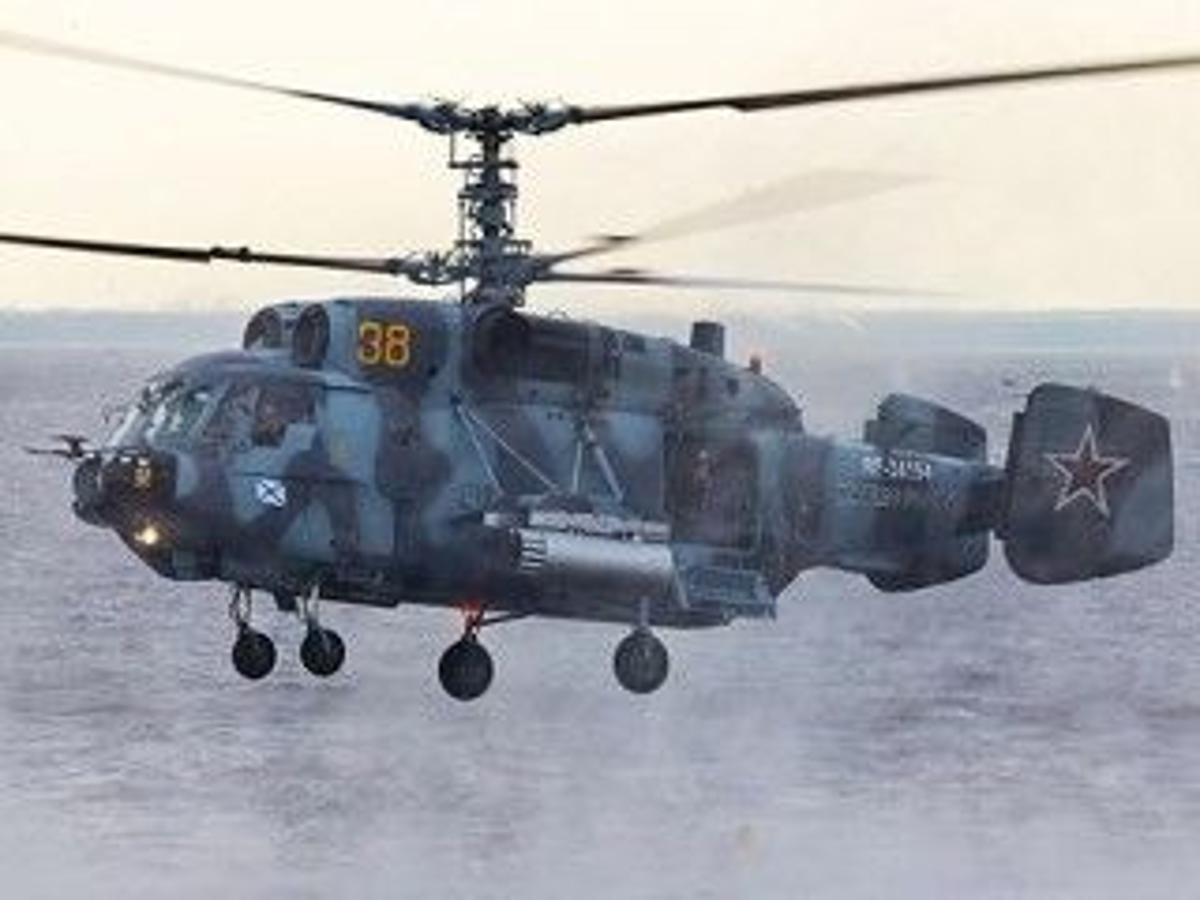
The regiment’s composition reflects a pragmatic use of existing platforms. Overhauled Mi‑8 transport helicopters provide logistical flexibility, while Ka‑27PL anti‑submarine variants and Ka‑27PS search‑and‑rescue models extend the fleet’s maritime surveillance and rescue reach. The inclusion of Ka‑29 transport‑attack helicopters, trained for deck‑landing, signals a clear intent to integrate rotary‑wing assets with surface vessels, enhancing the Northern Fleet’s ability to counter hostile submarines and unmanned aerial systems. Pilot training pipelines from aviation academies are being accelerated to staff the unit, indicating a long‑term commitment to maintaining a ready, versatile rotary‑wing force.
Strategically, the move signals that Russia is not singularly focused on the Ukrainian front. By reinforcing its Arctic capabilities, Moscow aims to safeguard the Kola Peninsula’s naval infrastructure, protect its strategic deterrent assets, and counter the growing presence of NATO surveillance and unmanned platforms in the high‑latitude domain. For analysts, the regiment’s formation suggests a dual‑theater readiness posture, compelling Western planners to monitor not only the European battlefield but also the increasingly contested Arctic maritime environment.
Russia forms new helicopter regiment
Comments
Want to join the conversation?
Loading comments...