Why It Matters
The wave of attacks underscores the escalating use of drones to target critical infrastructure, raising security risks for Europe’s energy supply and humanitarian stability. It also highlights the growing importance of coordinated sanctions and defensive measures in the broader Russia‑Ukraine conflict.
Key Takeaways
- •210 Russian drones launched, 140 Shahed models used
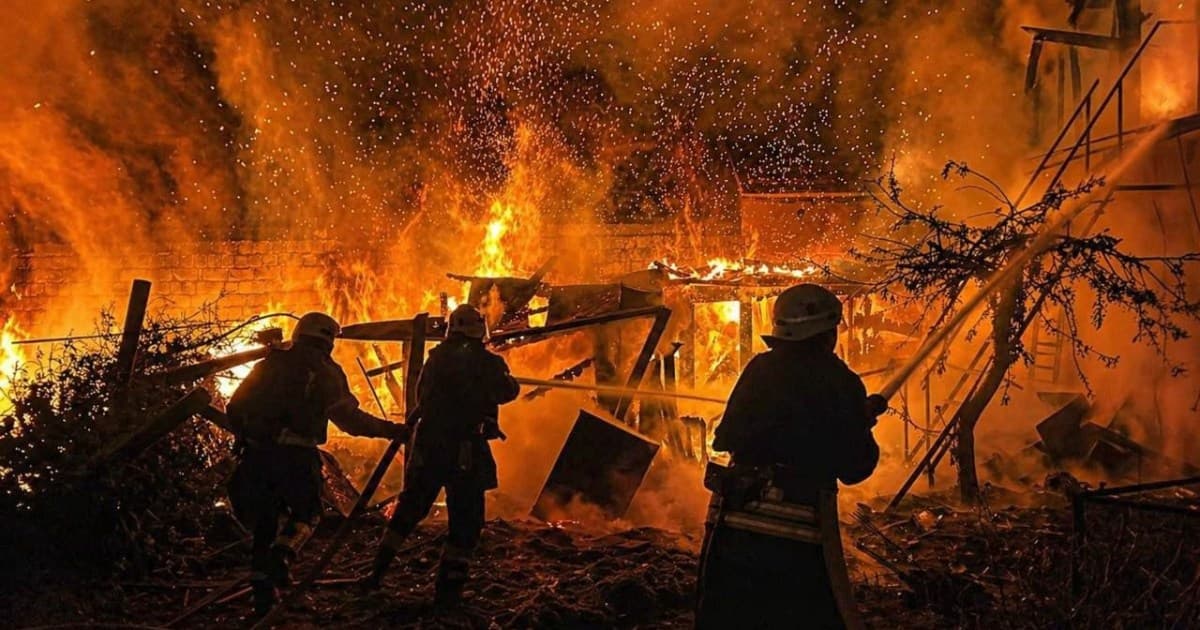
- •Odesa port hit, two injured, residential buildings damaged
- •Kharkiv rail and power infrastructure struck, thousands lose electricity
- •Ukraine launched drone strike on Russian Tuapse port
- •Casualties across regions include at least one dead, dozens injured
Pulse Analysis
The latest Russian drone barrage illustrates how unmanned systems have become a cornerstone of Moscow’s strategy to cripple Ukraine’s warfighting capacity. By targeting power substations, railway hubs and civilian housing, the attacks aim to erode public morale and strain emergency services. The heavy reliance on Iranian‑produced Shahed drones reflects a deepening supply chain that bypasses traditional Western defenses, prompting Kyiv to adapt its air‑defense posture and seek counter‑drone technologies.
Kyiv’s retaliatory strike on the Russian port of Tuapse marks a notable escalation in the conflict’s aerial dimension. By hitting a key Black Sea oil‑export hub, Ukraine seeks to dent Russia’s energy revenues, a tactic that aligns with broader Western efforts to choke Moscow’s financing. The move also signals Kyiv’s willingness to project power beyond its borders, leveraging the same drone platforms that have been used against it. This reciprocal use of drones adds a new layer of complexity to the battlefield, where both sides must balance offensive gains against the risk of civilian harm.
For European policymakers, the surge in cross‑border drone attacks raises urgent questions about energy security and regional stability. Disruptions to Ukraine’s electricity grid and transport corridors can reverberate through European supply chains, especially as the continent still grapples with post‑pandemic energy challenges. Zelensky’s call for tighter sanctions and synchronized diplomatic pressure underscores the need for a unified response that combines financial measures with enhanced air‑defense cooperation. As the conflict drags on, the interplay between drone warfare, sanctions policy, and humanitarian concerns will shape the strategic calculus for both NATO allies and the broader international community.
Russia hammers targets across Ukraine overnight
Comments
Want to join the conversation?
Loading comments...