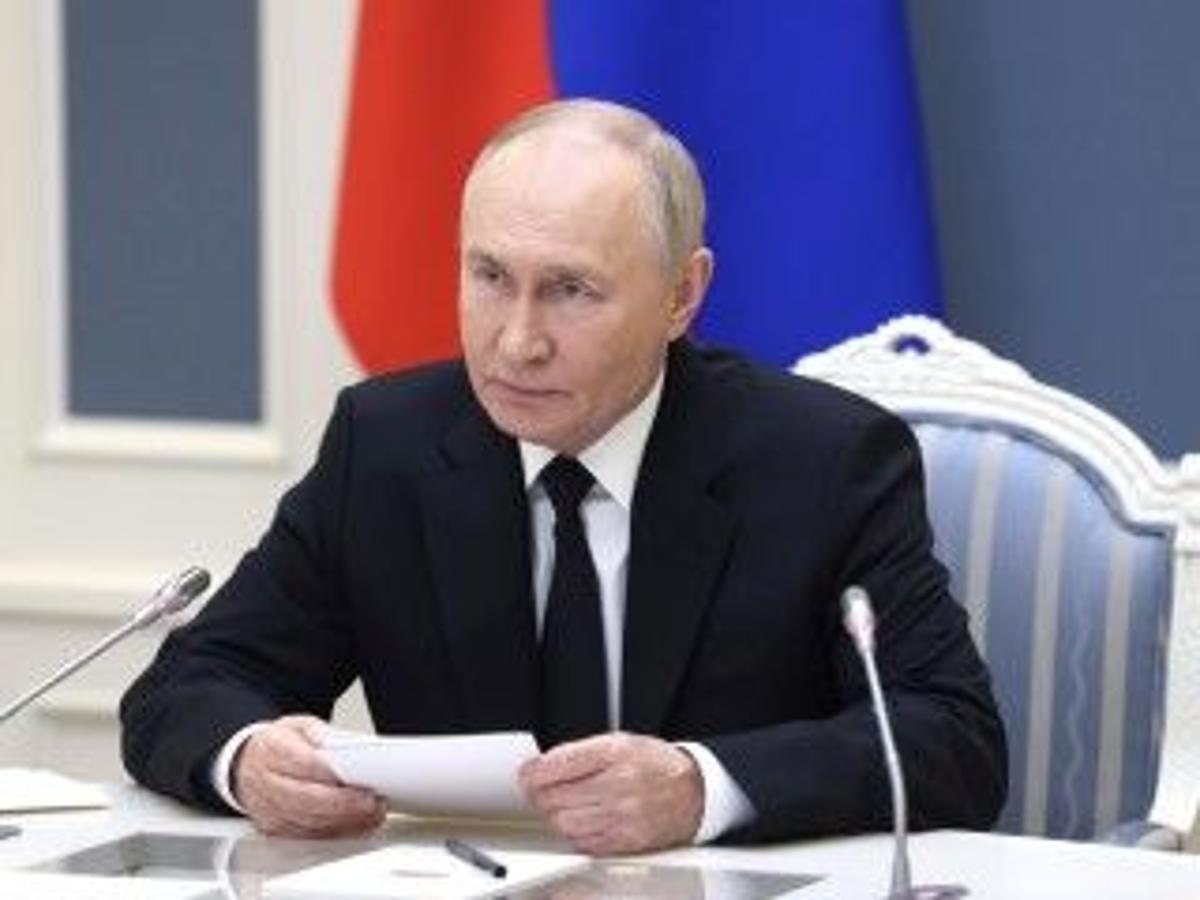
Russia Is Closing Airports, and the EU Is Preparing for Talks with Putin?
Why It Matters
The airport closures illustrate Ukraine’s expanding strike capability, pressuring Russian logistics and civilian morale. EU‑led talks could reshape the diplomatic landscape and prevent Europe’s marginalisation in any future settlement.
Key Takeaways
- •13 Russian airports closed after Ukrainian drone strike on May 8
- •Rostov‑on‑Don air‑traffic control center damaged, affecting regional flights
- •Moscow airports face delays; Vnukovo suspended, others limited
- •EU readies peace talks with Putin amid stalled Ukraine negotiations
- •Kremlin signals willingness to dialogue but will not initiate talks
Pulse Analysis
The recent wave of Ukrainian drone attacks marks a notable escalation in the conflict’s reach, targeting critical aviation infrastructure far from the front lines. By disabling the Rostov‑on‑Don air‑traffic‑control hub, Ukraine disrupted flight coordination for an entire region, forcing the closure of 13 airports and hampering both civilian travel and military logistics. Such strikes demonstrate a growing proficiency in long‑range unmanned systems, compelling Russian authorities to impose temporary cease‑fires and tighten security protocols around high‑profile events like the Victory Day parade.
Politically, the aviation disruptions intersect with a shifting diplomatic posture in Europe. The European Council President’s announcement that the EU is preparing for direct talks with President Vladimir Putin reflects mounting frustration with the stalled trilateral negotiations involving Kyiv, Washington, and Moscow. European leaders fear that exclusion from any future settlement would diminish the continent’s influence, especially given its substantial financial and humanitarian contributions to Ukraine. By positioning itself as a potential mediator, the EU aims to preserve its strategic relevance while encouraging a de‑escalation pathway that could curb further attacks on civilian infrastructure.
Looking ahead, the dual pressure of military setbacks and diplomatic overtures may prompt Moscow to recalibrate its approach. While Kremlin spokesman Dmitry Peskov reiterated Russia’s readiness to discuss, the insistence on not initiating talks suggests a tactical posture aimed at extracting concessions. For businesses and investors, the evolving security environment underscores heightened risk in Russian transport sectors and the importance of monitoring EU policy shifts, which could herald new sanctions or incentives tied to any peace framework. Stakeholders should therefore track both the operational impact of drone strikes and the broader geopolitical negotiations shaping the conflict’s trajectory.
Russia is closing airports, and the EU is preparing for talks with Putin?
Comments
Want to join the conversation?
Loading comments...