Russia Unleashes 90 Missiles and 600 Drones on Kyiv, Ukraine Says 604 Targets Downed

Why It Matters
The attack underscores the evolving threat landscape in Eastern Europe, where Russia is fielding advanced hypersonic missiles and large‑scale drone swarms to overwhelm conventional air‑defence systems. For NATO, the incident tests alliance cohesion and the effectiveness of rapid‑response air patrols, potentially prompting a reassessment of forward‑deployed assets in the region. The EU’s pending sanctions package could tighten export controls on missile components, aiming to curb Russia’s ability to produce and field weapons like the Oreshnik. Domestically, the strike highlights Ukraine’s growing reliance on a mix of legacy Soviet‑era systems, Western Patriot batteries, and emerging electronic‑warfare tools. The high number of neutralized targets demonstrates progress in training and integration but also reveals vulnerabilities that Russia may exploit in future operations, especially if it scales up hypersonic launches or introduces new loitering munitions.
Key Takeaways
- •Russia launched 90 missiles and 600 drones in a coordinated night attack on Kyiv
- •Ukrainian air defenses neutralized 604 aerial targets – 55 missiles and 549 drones
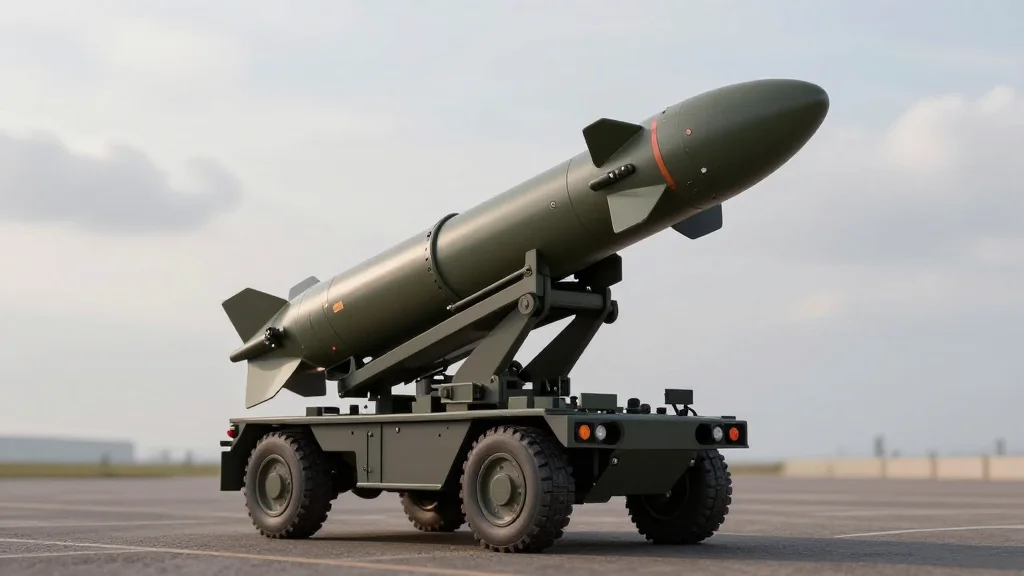
- •The Oreshnik hypersonic missile struck Bila Tserkva, marking its third use in the war
- •At least one civilian killed, 83 injured, with damage to schools, subway entrances and residential blocks
- •NATO scrambled fighter jets; EU prepares fresh sanctions on missile‑production entities
Pulse Analysis
The May 24 barrage signals a tactical shift by Moscow toward saturation attacks that blend high‑value hypersonic strikes with overwhelming drone volumes. By pairing the Oreshnik missile—a system touted as “hard‑to‑intercept”—with a swarm of loitering munitions, Russia aims to stretch Ukraine’s layered defence to the breaking point. The high interception rate (604 of 690 assets) showcases Ukraine’s improved air‑defence coordination, yet the sheer scale of the assault reveals lingering gaps, especially against fast‑moving hypersonics that current Patriot batteries cannot reliably engage.
For NATO, the incident is a litmus test of collective resolve. Rapid fighter‑jet deployments demonstrate political will, but the episode may catalyze deeper integration of European air‑defence assets, such as the forthcoming German‑Polish MEADS system, to fill coverage voids. Moreover, the EU’s pending sanctions could choke the supply chain for components essential to the Oreshnik, potentially slowing Russia’s production cadence. However, sanctions alone may not deter future use of such weapons, especially if Moscow perceives a strategic advantage in signaling nuclear‑capable capabilities.
Looking ahead, Ukraine is likely to accelerate its investment in electronic‑warfare suites and AI‑driven threat‑identification platforms to counter drone swarms more efficiently. The battle for air superiority over Kyiv will increasingly hinge on the ability to detect, track, and neutralize hypersonic trajectories in real time—a capability that remains limited among Western allies. As the conflict enters its third year, the interplay between advanced Russian missile technology and Western defensive innovation will shape the security calculus for the entire Euro‑Atlantic region.
Russia unleashes 90 missiles and 600 drones on Kyiv, Ukraine says 604 targets downed
Comments
Want to join the conversation?
Loading comments...