Russia Wanted the Nuclear Treaty because It Is Facing Difficulties, Expert Says
•February 21, 2026
0
Why It Matters
The treaty’s lapse removes the only bilateral constraint on the world’s two largest nuclear arsenals, raising uncertainty over future arms races and influencing NATO‑Russia security dynamics. It also highlights how resource constraints and emerging technologies will shape strategic stability.
Key Takeaways
- •New START expired Feb 5, 2026.
- •Russia prefers treaty limits due to expansion costs.
- •U.S. holds more reserve warheads than Russia.
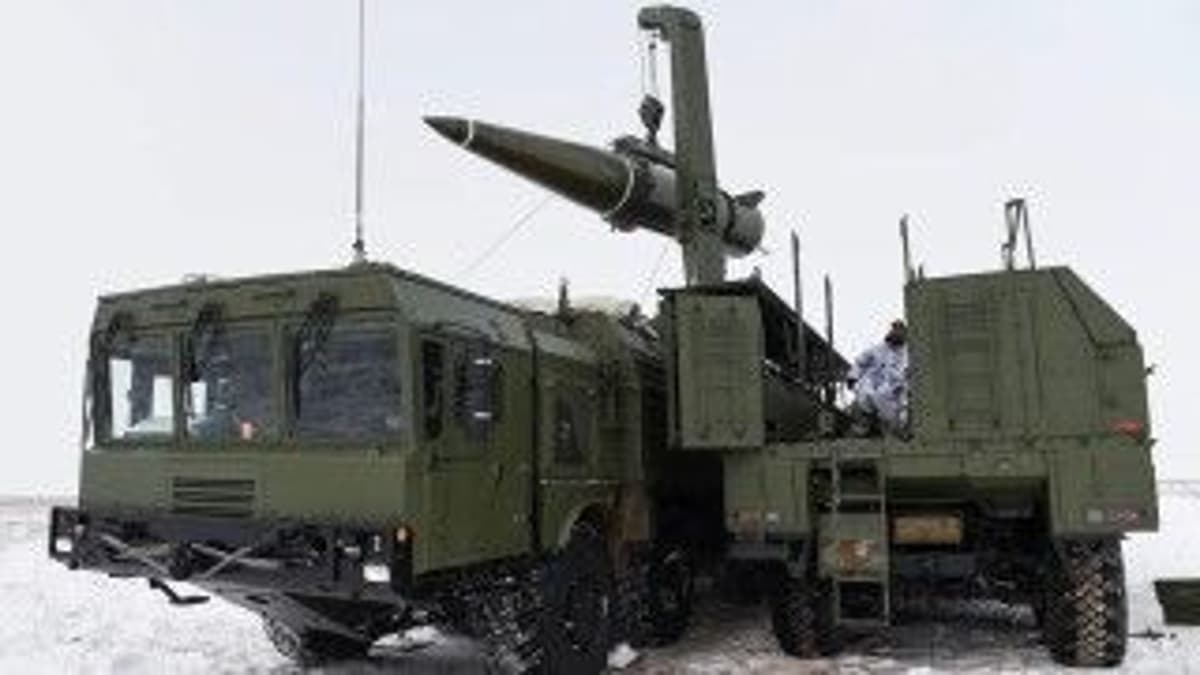
- •Russia retains non‑START systems like Iskander, Kalibr.
- •Future U.S. missile upgrades may shift strategic balance.
Pulse Analysis
The New START agreement, signed in 2010 and effective from 2011, was the cornerstone of strategic stability between the United States and Russia for a decade and a half. By capping deployed warheads at 1,550 per side, it provided a transparent framework that limited the risk of inadvertent escalation and facilitated verification mechanisms. Its expiration marks the first time since the SALT era that the two nuclear superpowers operate without a bilateral treaty governing their strategic arsenals, prompting analysts to reassess the architecture of global arms control.
From Moscow’s perspective, the loss of New START is less about strategic advantage and more about fiscal and logistical constraints. Expanding the strategic force inventory would require substantial investment in new ICBMs, launchers and warhead production—resources that are currently diverted to the war in Ukraine. Moreover, Russia already fields a sizable array of non‑START weapons, including the short‑range Iskander and Kalibr missile families, which provide flexible deterrence without breaching treaty limits. Russian doctrine emphasizes assured retaliation over matching U.S. numbers, allowing Moscow to maintain a credible deterrent while avoiding a costly arms race.
Looking forward, U.S. modernization programs such as the new ICBM variants, advanced strategic bombers and the "Golden Dome" missile‑defence shield could shift the balance of power in the 2030s. These developments, coupled with China’s rapid nuclear expansion, may compel both Washington and Moscow to seek new security arrangements, whether through bilateral talks, multilateral frameworks, or informal confidence‑building measures. Policymakers will need to weigh the risks of a fragmented arms‑control landscape against the strategic benefits of renewed dialogue, especially as emerging technologies reshape deterrence calculations worldwide.
Russia wanted the nuclear treaty because it is facing difficulties, expert says
0
Comments
Want to join the conversation?
Loading comments...