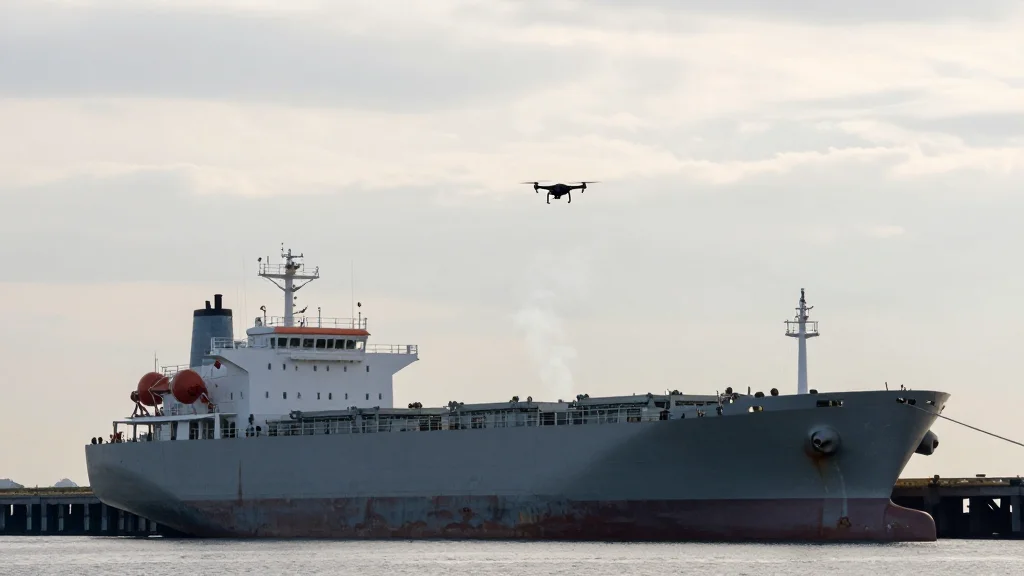
Russian Drone Attack on Ukrainian Port Damages Panama-Flagged Vessel, Officials Say
Why It Matters
Disruptions at Izmail threaten Ukraine’s export capacity and raise insurance and supply‑chain risks for global traders reliant on Black Sea ports.
Key Takeaways
- •Russian drones struck Izmail port, damaging a Panama‑flagged vessel.
- •Ukrainian air defenses downed 114 of 129 attacking drones.
- •Port operations continued despite fire and damaged berth.
- •Two buses, seven cars, and an ambulance were destroyed.
- •Four missiles launched; only one intercepted by Ukrainian forces.
Pulse Analysis
Russia’s systematic targeting of Ukraine’s maritime gateways has become a cornerstone of its war strategy, aiming to choke the country’s export lifelines and erode foreign‑currency inflows. The Black Sea corridor, especially ports along the Odesa region, handles a significant share of grain, steel and other commodities destined for Europe and beyond. By striking these nodes, Moscow seeks to create logistical bottlenecks, inflate freight rates, and pressure Western governments that have pledged economic support to Kyiv.
The April 14 drone barrage on Izmail illustrates both the intensity of the threat and Ukraine’s growing defensive resilience. While a Panama‑flagged vessel suffered damage and a workshop building was razed, the Ukrainian Sea Ports Authority confirmed that cargo handling continued, limiting immediate trade interruptions. Air‑defence units intercepted the vast majority of unmanned threats—114 of 129 drones—demonstrating improved radar coverage and rapid‑response protocols. However, the loss of a berth, a barge, and ancillary transport assets such as buses and an ambulance highlights the collateral cost to civilian infrastructure and local economies.
For international shippers and insurers, the incident reinforces the need for dynamic risk assessments when routing Black Sea cargo. Premiums for war‑risk coverage have risen, and some carriers are diversifying routes through alternative Mediterranean ports to mitigate exposure. Policymakers in the EU and the United States are also watching closely, as sustained attacks could trigger broader discussions on maritime security assistance and the potential expansion of grain‑export corridors. The ongoing conflict thus reshapes not only regional trade patterns but also global commodity pricing and supply‑chain resilience strategies.
Russian drone attack on Ukrainian port damages Panama-flagged vessel, officials say
Comments
Want to join the conversation?
Loading comments...