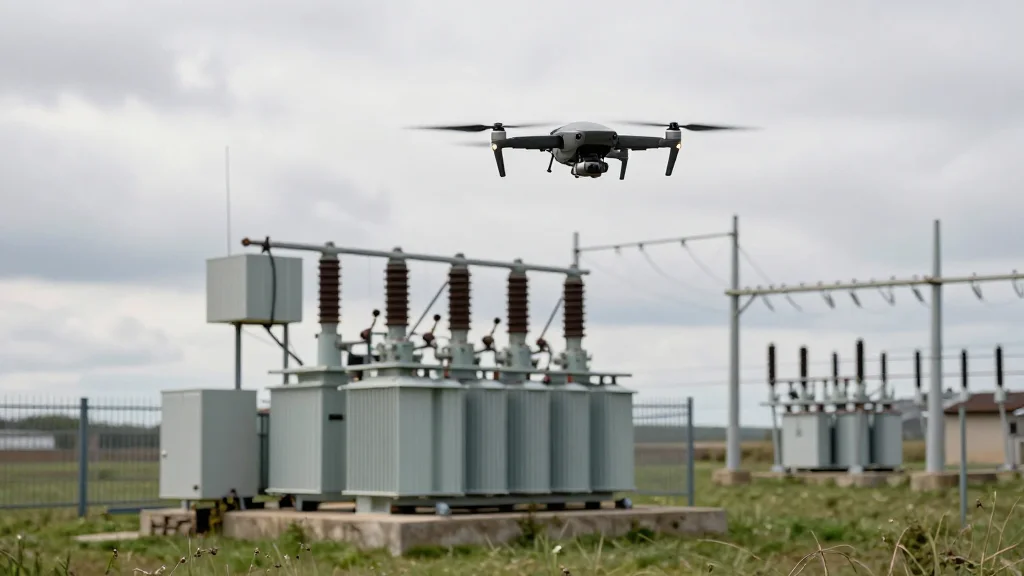
Russian Drones Swarm Smaller Ukrainian Power Stations, Data Shows
Why It Matters
The shift to low‑cost drone attacks on distribution nodes erodes local power reliability, hampers civilian resilience, and inflates reconstruction costs that exceed $90 billion, reshaping the strategic calculus of modern warfare.
Key Takeaways
- •Russia fired over 27,000 Shahed drones on Ukraine since Nov 2025.
- •Small substations made up 58% of verified attacks last winter.
- •Ukraine's grid damage estimated at $25 billion; rebuilding over $90 billion.
- •Over 100 drones attack daily, overwhelming limited air defenses.
- •Disruptions cause up to 18‑hour outages in major cities.
Pulse Analysis
The latest data from the Centre for Information Resilience reveals a tactical evolution in Russia's war on Ukraine's energy infrastructure. By mass‑producing inexpensive Shahed drones, Moscow can field hundreds of unmanned aircraft each day, saturating Ukraine's air‑defence systems and allowing operators to pick softer, more numerous targets. Small substations, which feed electricity to neighborhoods and critical services, now represent the bulk of verified strikes, a stark departure from earlier campaigns that focused on large power plants. This shift underscores how sheer volume can compensate for lower individual weapon lethality.
For Ukraine, the consequences are immediate and costly. Frequent outages—some lasting up to 18 hours—disrupt households, businesses, and military logistics, especially during the harsh winter months. The World Bank estimates $25 billion in direct grid damage, while the total reconstruction bill tops $90 billion, straining an economy already under siege. Ukraine's air‑defence assets, limited in number and range, are forced to concentrate on high‑value installations, leaving the sprawling network of over 3,000 minor transformers exposed. The resulting patchwork of localized blackouts erodes public confidence and hampers recovery efforts.
Beyond the Ukrainian theater, the campaign signals a broader trend toward low‑cost, high‑volume drone warfare. Nations with constrained budgets can now threaten critical infrastructure without the expense of conventional missiles, prompting a reevaluation of defense postures worldwide. Resilience measures—such as micro‑grids, hardened substations, and rapid repair teams—are becoming essential components of national security strategies. International donors and allies must also consider funding not just large‑scale power plants but the myriad smaller nodes that keep societies functioning under fire.
Russian drones swarm smaller Ukrainian power stations, data shows
Comments
Want to join the conversation?
Loading comments...