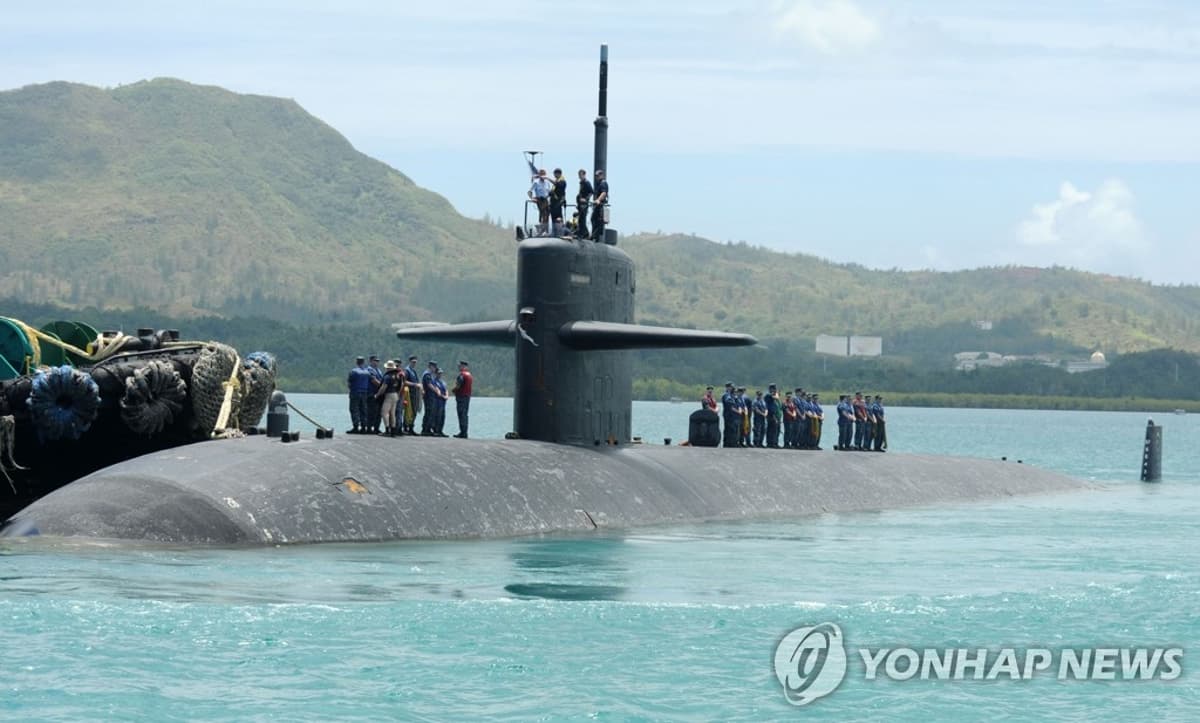
S. Korea Military Begins Formal Procedures to Acquire Nuclear-Powered Submarines
Why It Matters
The initiative deepens the U.S.–ROK defense partnership and gives Seoul a strategic blue‑water deterrent, reshaping the security calculus in the Indo‑Pacific.
Key Takeaways
- •South Korea submitted nuclear submarine requirements to Joint Chiefs of Staff.
- •U.S. approved Seoul's plan, pledging fuel sourcing support.
- •Program targets at least four 5,000‑ton subs after mid‑2030s.
- •Final requirements to be reviewed by JCS later this month.
- •Fuel supply hinges on a special U.S. nuclear material transfer agreement.
Pulse Analysis
South Korea’s move to acquire nuclear‑powered submarines reflects a broader shift toward a blue‑water navy capable of sustained under‑sea operations far from its coast. With North Korea’s expanding missile arsenal and China’s growing naval presence in the East China Sea, Seoul sees nuclear propulsion as essential for endurance, stealth and rapid response. The submarines would bolster deterrence, provide a credible second‑strike capability, and enable South Korea to contribute more substantively to regional maritime security initiatives.
The United States’ endorsement is pivotal, as it opens pathways for technology transfer, fuel supply and nuclear‑material handling that are otherwise restricted by non‑proliferation regimes. A bilateral agreement will be required to permit the export of small‑reactor fuel, a process that must reconcile U.S. export controls with South Korea’s commitment to peaceful nuclear use. This cooperation also signals Washington’s willingness to deepen defense ties, potentially setting a precedent for future allied nuclear propulsion projects while navigating the sensitivities of the Nuclear Non‑Proliferation Treaty.
Financially, the program will demand a multi‑billion‑dollar investment spread over the next two decades, encompassing research, feasibility studies and shipyard construction. South Korean defense firms stand to gain advanced engineering expertise, but budgetary scrutiny will intensify as the nation balances domestic priorities with the high cost of nuclear platforms. Regional actors, particularly China and Japan, are likely to monitor the development closely, assessing its impact on the naval balance of power. If executed on schedule, the submarines could become operational in the late 2030s, marking a significant leap in South Korea’s maritime capabilities.
S. Korea military begins formal procedures to acquire nuclear-powered submarines
Comments
Want to join the conversation?
Loading comments...