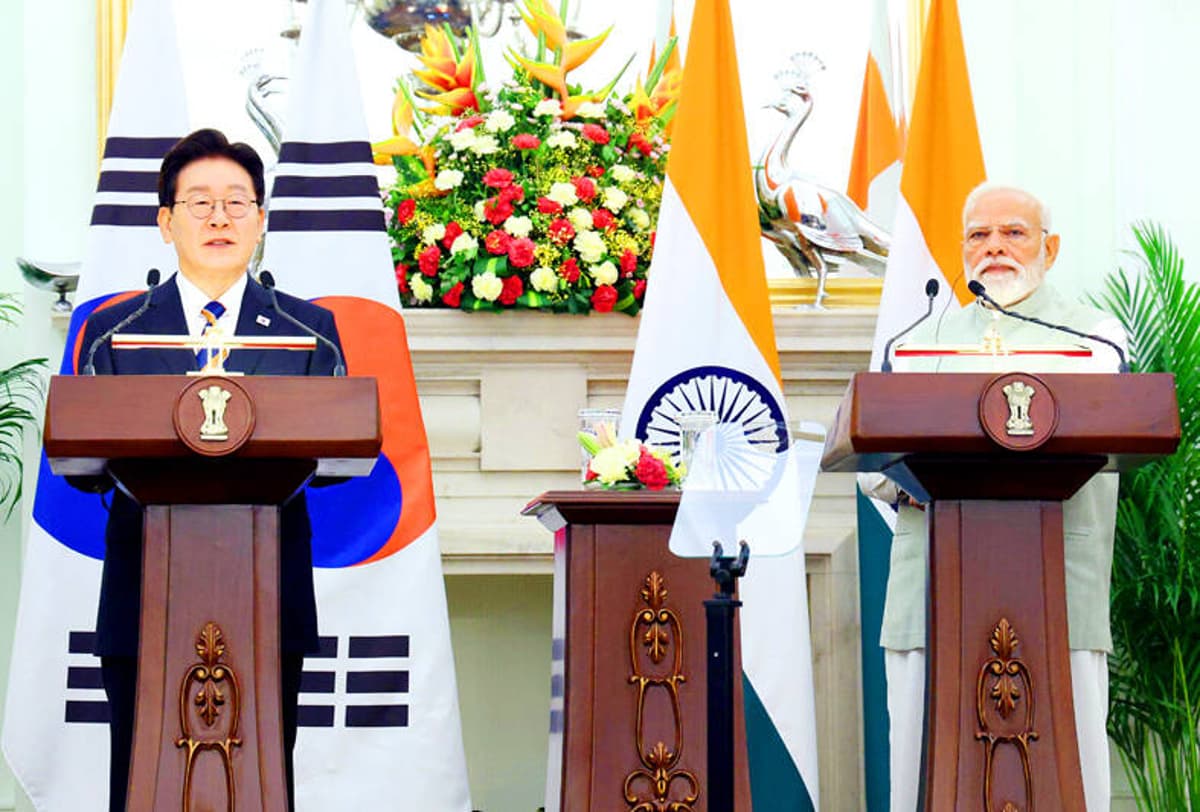
S Korea Rejects Claims Minister Leaked Classified Intel
Why It Matters
The dispute highlights the fragility of U.S.–South Korea intelligence cooperation and its political ramifications amid heightened North Korean nuclear activity.
Key Takeaways
- •President Lee labels leak accusations absurd
- •U.S. reportedly limited intel after Chung’s Kusong remarks
- •South Korea asserts intelligence sharing remains robust
- •Chung claims comments based on public research reports
- •Opposition seeks minister’s dismissal, ministry rejects claim
Pulse Analysis
The latest row between Seoul and Washington underscores how delicate intelligence sharing can become when political figures discuss sensitive topics publicly. While the United States has not confirmed any reduction in data flow, reports that it limited certain satellite‑derived insights after Minister Chung referenced a previously unverified uranium‑enrichment facility in Kusong raise questions about trust and operational security. Analysts note that even minor diplomatic missteps can prompt allies to reassess the granularity of shared intelligence, especially when the information pertains to nuclear proliferation threats that demand rapid, coordinated responses.
In South Korea, President Lee Jae‑myung’s swift rebuttal serves a dual purpose: defending a senior cabinet member and signaling to Washington that the alliance’s strategic coordination will not be jeopardized by domestic political turbulence. By emphasizing that the Kusong site was already documented in open‑source research, Lee aims to diffuse accusations that classified U.S. data was mishandled. The defense ministry’s affirmation of ongoing joint missile‑launch analyses further reinforces the message that operational collaboration remains intact, despite the political noise.
For the broader regional security landscape, the episode illustrates how intelligence sharing is both a cornerstone and a potential flashpoint in the U.S.–ROK partnership. As North Korea accelerates its nuclear and missile programs, both nations rely on a seamless flow of data to anticipate and counter threats. Any perception of a breach—real or imagined—can fuel domestic criticism and strain diplomatic ties, potentially affecting coordinated sanctions, deterrence postures, and future joint exercises. Maintaining transparent communication channels while managing public disclosures will be essential to preserving the alliance’s credibility and effectiveness.
S Korea rejects claims minister leaked classified intel
Comments
Want to join the conversation?
Loading comments...