Saab: Africa Needs a Land Warfare Structure to Receive Training Systems
Companies Mentioned
Why It Matters
Without a common doctrine, costly training simulators risk becoming idle assets, limiting force readiness across Africa’s rapidly modernizing militaries.
Key Takeaways
- •Saab warns African forces lack unified land warfare doctrine
- •Training simulators require structured command hierarchies to be effective
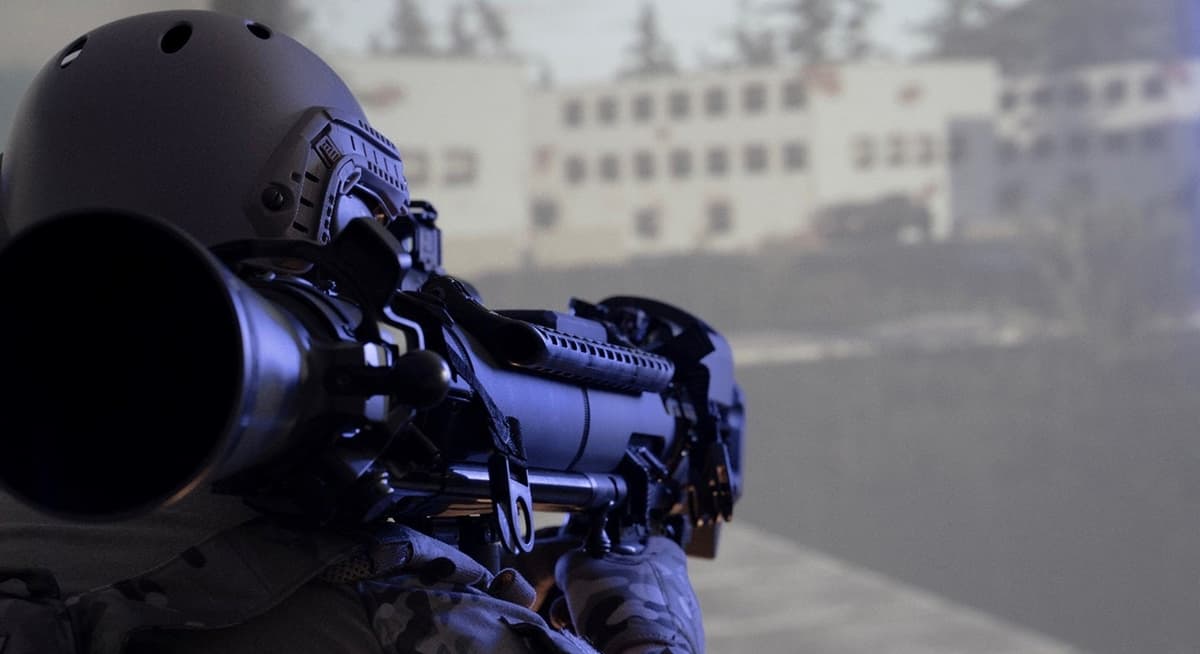
- •Saab offers Ground Combat Indoor Trainer to bridge capability gaps
- •Regional cooperation could streamline procurement and doctrine development
- •Investments in training may reduce long‑term operational costs
Pulse Analysis
African defense ministries are at a crossroads, balancing heightened security threats with the need for modern, cost‑effective training. Saab’s recent commentary underscores that technology alone—such as its Ground Combat Indoor Trainer—cannot compensate for the absence of a clear land‑warfare doctrine. Nations that invest in doctrine development alongside hardware stand to gain faster proficiency, better interoperability, and a clearer path to integrating simulation into daily training cycles.
The Ground Combat Indoor Trainer (GCIT) exemplifies how immersive simulation can shrink live‑fire costs while sharpening tactical decision‑making. However, Saab notes that the system’s impact hinges on a structured training pipeline: defined curricula, qualified instructors, and a command hierarchy that can translate virtual scenarios into real‑world tactics. For African armies, many of which still operate fragmented training programs, establishing such a pipeline may require regional partnerships, joint exercises, and shared doctrinal manuals.
Strategically, aligning doctrine with advanced simulators could reshape Africa’s defense posture. A unified training framework would enable quicker adoption of emerging technologies, foster joint operations among neighboring states, and attract foreign investment by demonstrating a commitment to professionalization. As defense budgets grow, policymakers who prioritize doctrine alongside equipment are likely to achieve higher readiness levels while containing long‑term costs, positioning the continent for more resilient security outcomes.
Saab: Africa needs a land warfare structure to receive training systems
Comments
Want to join the conversation?
Loading comments...