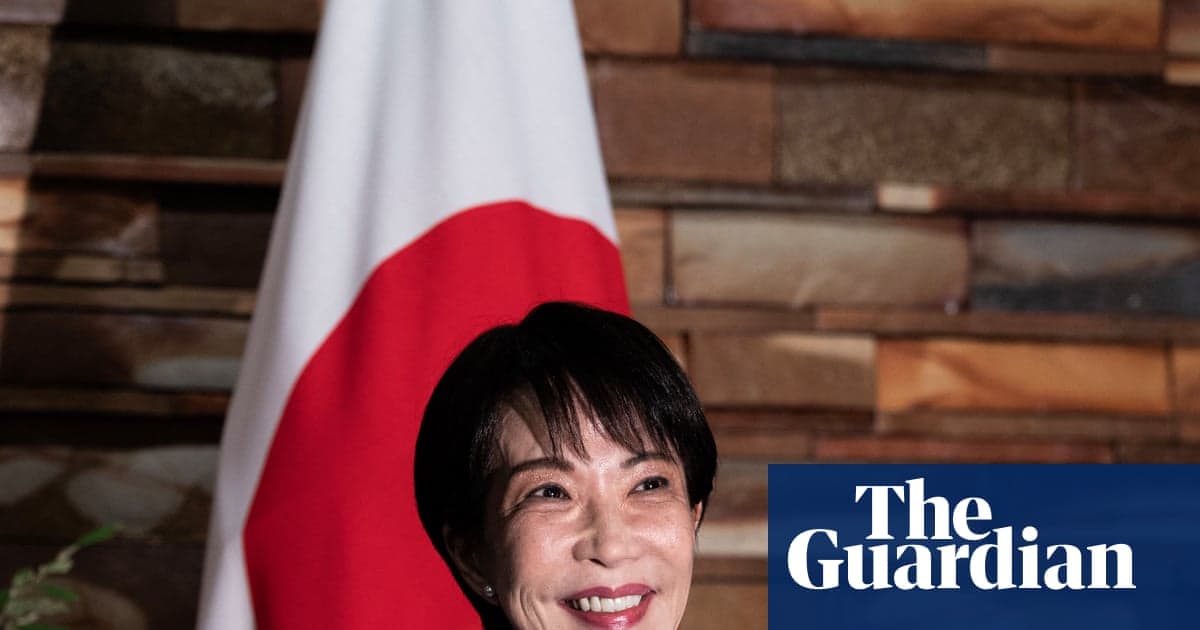
Sanae Takaichi’s Push to Change Japan’s Pacifist Constitution – Podcast
Companies Mentioned
Why It Matters
The amendment would redefine Japan’s military posture, potentially expanding its role in regional security and reshaping the U.S.–Japan strategic partnership.
Key Takeaways
- •Takaichi seeks first post‑war amendment of Japan’s 1947 constitution.
- •Article 9 limits Japan to defensive military actions, barring war potential.
- •Recent security laws already stretch article 9, allowing aid to allies.
- •Public opinion remains divided, with strong pacifist sentiment persisting.
- •Amendment could shift regional security dynamics, affecting U.S.–Japan alliance.
Pulse Analysis
Article 9 of Japan’s 1947 constitution was drafted under Allied occupation to renounce war and forbid a standing army. Over the decades it has become a cornerstone of Japan’s identity as a pacifist nation, shaping its foreign‑policy doctrine and limiting the Self‑Defence Forces to strictly defensive roles. The clause also influences Japan’s legal framework for overseas deployments, requiring any combat‑related activity to be justified as self‑defence or humanitarian assistance.
Sanae Takaichi’s push for constitutional revision reflects a growing perception among security hawks that the existing constraints hinder Japan’s ability to respond to regional threats, particularly from North Korea’s missile program and China’s maritime assertiveness. Recent legislation, such as the 2022 Security Legislation and the 2024 Collective Self‑Defence Act, already stretches the literal wording of Article 9, permitting limited support to allies under specific conditions. Takaichi argues that a formal amendment would provide legal certainty, enable a more proactive defence posture, and align Japan’s constitutional framework with its de‑facto security responsibilities.
If the amendment proceeds, it could trigger a recalibration of the U.S.–Japan alliance, granting Tokyo greater operational flexibility and potentially encouraging deeper integration of joint forces. Regional actors may interpret the change as a signal of Japan’s willingness to assume a larger security role, affecting diplomatic calculations across East Asia. For investors, the shift could spur growth in Japan’s defence procurement market, while also raising geopolitical risk premiums for sectors sensitive to regional stability. Stakeholders will be watching parliamentary debates and public referenda closely, as the outcome will shape both Japan’s strategic trajectory and broader market dynamics.
Sanae Takaichi’s push to change Japan’s pacifist constitution – podcast
Comments
Want to join the conversation?
Loading comments...