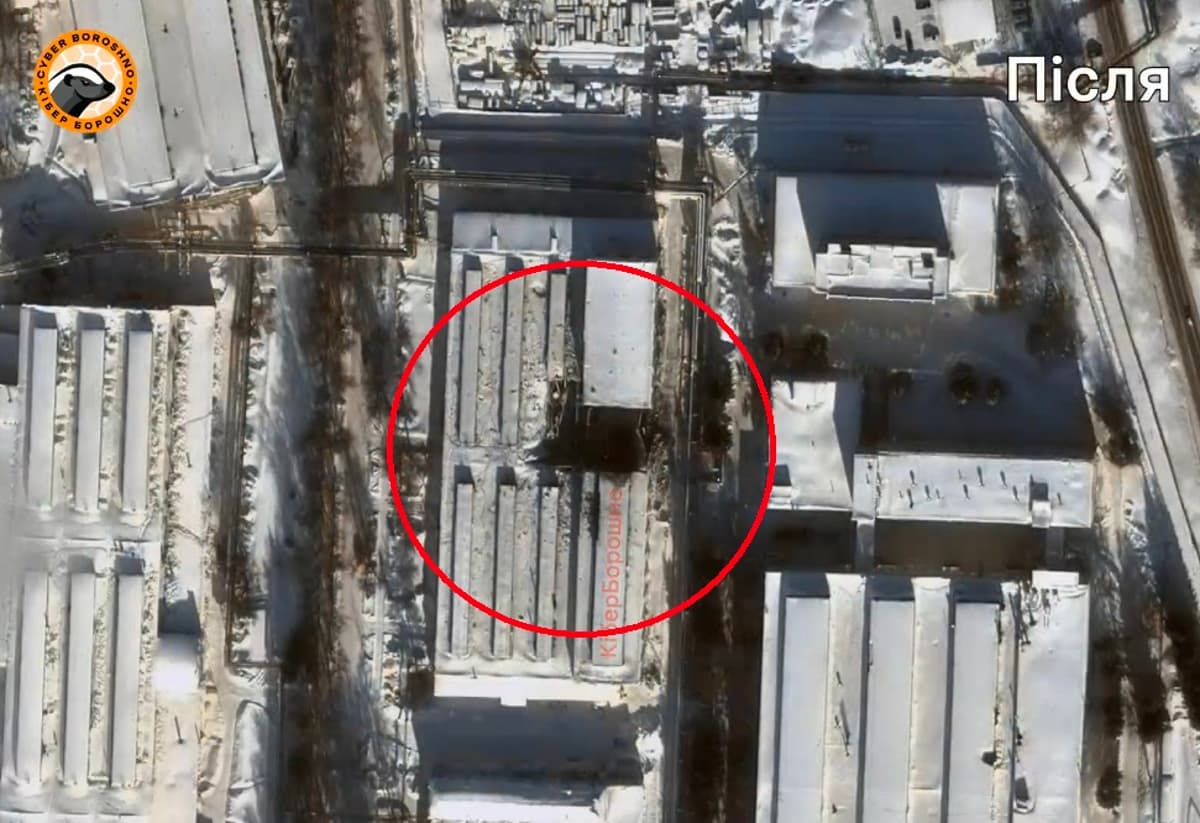
Satellite Imagery Confirms Damage at Russia’s Key Missile Plant
•February 22, 2026
0
Why It Matters
Disabling Votkinsk threatens Russia’s ability to replenish its strategic missile stockpiles, altering the balance of power in the conflict. It also highlights the growing importance of satellite‑based OSINT for real‑time war assessment.
Key Takeaways
- •Satellite images show 30×24 m roof breach at Votkinsk plant
- •FP‑5 “Flamingo” missiles used in Ukrainian strike
- •Plant produces Yars, Bulava, Iskander‑M, Kinzhal missiles
- •Damage could halt strategic missile production for months
- •OSINT verification highlights satellite imagery’s role in modern warfare
Pulse Analysis
The Votkinsk Machine Building Plant has long been a linchpin of Russia’s strategic missile arsenal, assembling intercontinental ballistic missiles such as the RS‑24 Yars and the submarine‑launched Bulava. On the night of February 21, Ukrainian forces employed the newly fielded FP‑5 “Flamingo” cruise missile to strike the complex, and open‑source analysts from CiberBoroshno released satellite imagery that captured a 30 × 24 metre breach in a production workshop’s roof. The visual evidence not only confirms the physical damage but also demonstrates how high‑resolution commercial satellites are becoming indispensable tools for real‑time battle‑space assessment.
The confirmed destruction of a key assembly hall threatens to disrupt the plant’s output of both nuclear‑delivery and conventional missile systems. Yars, Iskander‑M, and Kinzhal missiles rely on tightly controlled clean‑room environments; any compromise to structural integrity can halt calibration, testing and final integration for months while specialized equipment is rebuilt. For Moscow, this creates a short‑term gap in replenishing its strategic stockpiles, potentially affecting deterrence postures and forcing a reallocation of existing missiles to cover operational gaps. The strike also signals that Ukraine can reach deep‑strike targets previously considered secure.
The episode underscores a broader shift toward open‑source intelligence as a decisive factor in modern warfare. Satellite constellations now deliver sub‑meter resolution imagery on demand, allowing analysts to verify claims, estimate damage, and anticipate logistical bottlenecks without ground access. As both sides integrate OSINT into their decision cycles, the transparency of strike outcomes may influence diplomatic signaling and escalation management. Moreover, the demonstrated ability to impair a high‑value defense‑industrial node could encourage further precision attacks on similar facilities, reshaping the strategic calculus of the Russia‑Ukraine conflict.
Satellite imagery confirms damage at Russia’s key missile plant
0
Comments
Want to join the conversation?
Loading comments...