Scoop: Trump's Iran Envoys Quietly Convene Nuclear Experts in Tennessee
Why It Matters
Having a dedicated technical team positions the United States to move quickly if a nuclear agreement with Iran materializes, reducing diplomatic lag and enhancing enforcement credibility.
Key Takeaways
- •Trump envoys met 100 nuclear experts at Oak Ridge labs.
- •Experts ready to support Iran nuclear deal negotiations.
- •MOU seeks 60‑day ceasefire extension and oil sales.
- •Dispute remains over uranium down‑blending deadline (60 vs 90 days).
- •Frozen Iranian funds release timing still contested.
Pulse Analysis
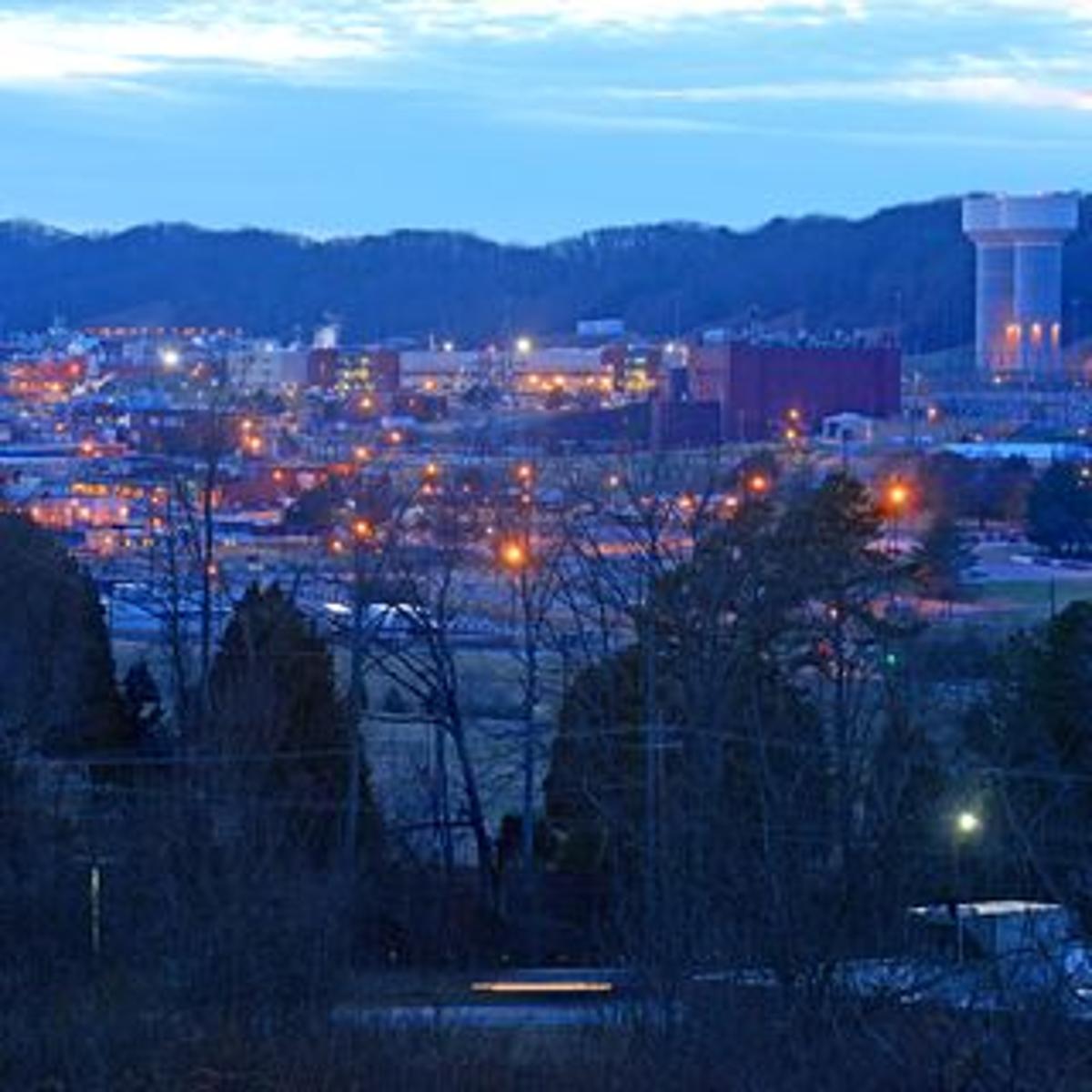
The White House’s latest diplomatic push on Iran marks a rare convergence of high‑level politics and deep‑science expertise. After weeks of back‑channel talks, senior envoys Steve Witkoff and Jared Kushner flew to Oak Ridge, Tennessee, home to the Oak Ridge National Laboratory and the Y‑12 National Security Complex, to brief a cadre of roughly one hundred nuclear engineers, physicists and centrifuge specialists. Their presence signals that Washington expects the forthcoming memorandum of understanding—not merely a cease‑fire extension but a gateway to substantive nuclear discussions—to move beyond rhetoric and into technical implementation.
Oak Ridge has long served as America’s nuclear hub, having processed uranium from Kazakhstan, Libya and, most recently, enriched fuel from a Venezuelan research reactor. The assembled experts are tasked with drafting protocols for down‑blending Iran’s enriched uranium, designing verification mechanisms, and outlining disposal pathways should Tehran agree to tighter enrichment limits. By involving scientists who previously handled material transfers, the administration hopes to pre‑empt the verification bottlenecks that stalled the 2015 Joint Comprehensive Plan of Action. Their early engagement could compress the timeline from agreement to operational compliance, a critical advantage in a volatile region.
From a business perspective, a credible Iranian nuclear deal would ease sanctions, potentially unlocking billions of dollars in frozen assets and restoring Iranian oil flows through the Strait of Hormuz—an artery that moves roughly 20 % of global oil consumption. However, lingering disputes over a 60‑day versus 90‑day down‑blending deadline and the sequencing of fund releases keep the market on edge. Should the technical team deliver a robust verification framework, investors may anticipate a rapid de‑escalation of geopolitical risk, bolstering energy prices and encouraging renewed foreign investment in the Middle East. Conversely, any failure to bridge these gaps could reignite tensions and sustain premium risk premiums across commodities.
Scoop: Trump's Iran envoys quietly convene nuclear experts in Tennessee
Comments
Want to join the conversation?
Loading comments...