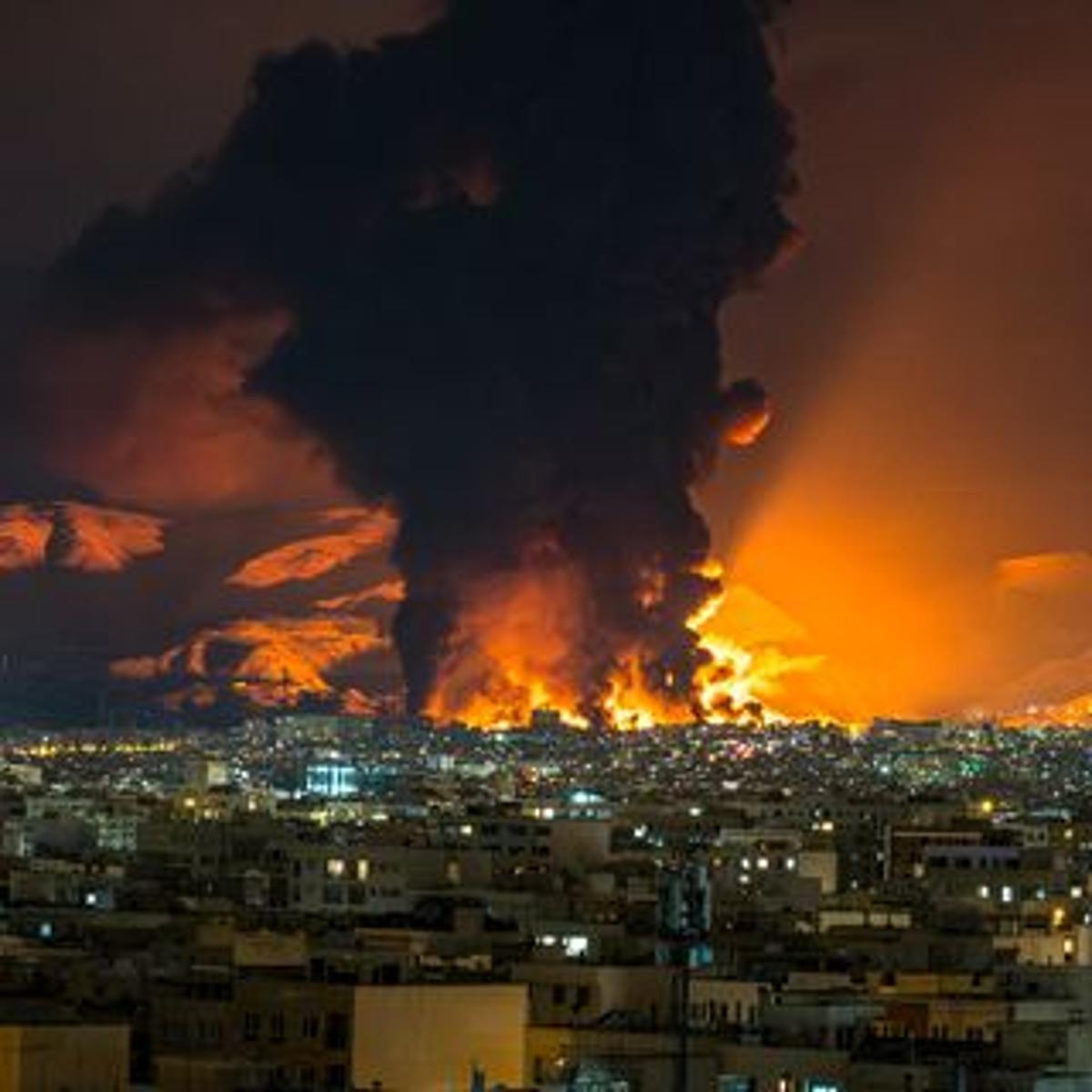
Scoop: U.S. Asks Israel to Halt Strikes on Iran's Energy Infrastructure
•March 10, 2026
0
Why It Matters
U.S. restraint aims to prevent civilian casualties and avoid destabilizing global oil markets, preserving diplomatic leverage in the Middle East.
Key Takeaways
- •U.S. asked Israel to halt Iran oil strikes
- •First Trump-era curb on Israeli military actions
- •Concern over civilian harm and Gulf retaliation
- •Trump seeks post‑war cooperation with Iran's oil sector
- •Israel must notify U.S. before future strikes
Pulse Analysis
The United States’ request for Israel to pause attacks on Iranian energy sites reflects a rare moment of friction in a partnership that has largely been coordinated through a joint operation launched just ten days ago. While both nations share a strategic goal of pressuring Tehran, Washington’s intervention signals a recalibration, emphasizing humanitarian considerations and the broader geopolitical calculus rather than purely kinetic outcomes. By urging Israel to seek advance notice before targeting oil facilities, the administration is asserting its role as a gatekeeper of escalation dynamics in the region.
Energy markets are acutely sensitive to any disruption in Middle‑East oil supply chains, and the prospect of renewed strikes on Iran’s refineries could trigger a sharp price spike. Moreover, Iranian retaliation against Gulf‑state infrastructure—already demonstrated through drone attacks—poses a direct threat to the world’s most critical export routes. By curbing Israeli offensives, the U.S. aims to contain a feedback loop that could otherwise amplify volatility, protect global oil prices, and safeguard the economic stability of oil‑dependent economies across the Gulf.
Politically, the move dovetails with President Trump’s stated intention to engage Iran’s oil sector after hostilities subside, mirroring his approach to Venezuela. Congressional voices, including Senator Lindsey Graham, have echoed the call for measured targeting to preserve Iran’s post‑regime economic foundation. This nuanced stance underscores a broader diplomatic strategy: leveraging military pressure while keeping diplomatic channels open for future reconstruction and energy cooperation, thereby balancing immediate security objectives with long‑term regional stability.
Scoop: U.S. asks Israel to halt strikes on Iran's energy infrastructure
0
Comments
Want to join the conversation?
Loading comments...