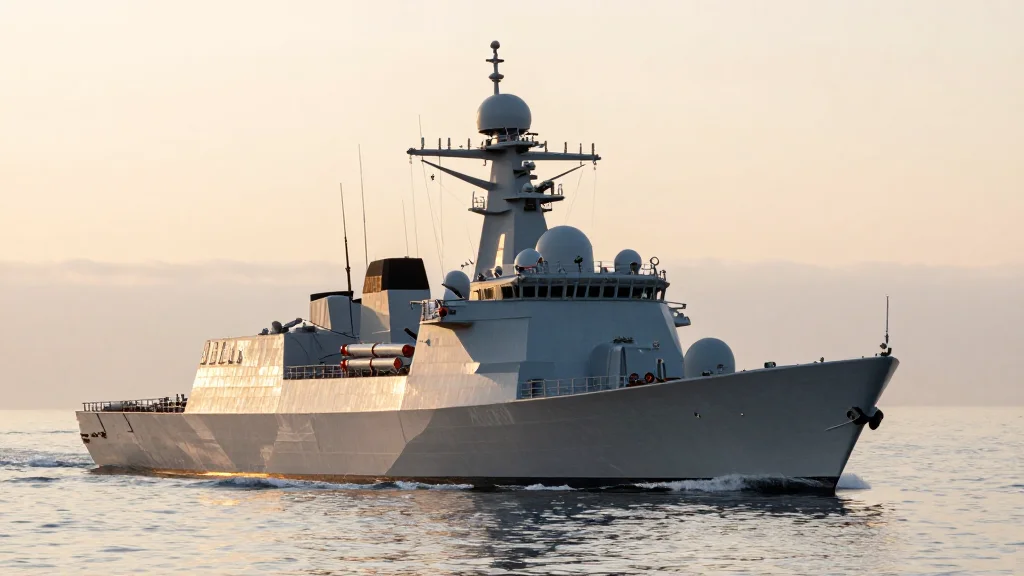
Sea Viper Upgrade Passes Halfway Spend Under Type 45 BMD Plan
Why It Matters
The upgrade is crucial for the Royal Navy to field a credible theatre‑level BMD capability, reinforcing the UK’s deterrence and NATO commitments amid a rapidly evolving missile threat landscape.
Key Takeaways
- •MoD spent $293m of $543m budget on Sea Viper upgrades.
- •Capability One upgrades Aster‑30 missiles and Sampson radar on Type‑45.
- •Full BMD capability targeted for 2032 amid propulsion‑fix programme.
- •HMS Dragon intercepted hypersonic test missile in 2025 exercise.
Pulse Analysis
The Sea Viper upgrade programme reflects the United Kingdom’s strategic push to transform its Type 45 destroyers into a robust ballistic‑missile‑defence (BMD) platform. While the original design emphasized air‑defence, the integration of Aster 30 Block 1 missiles and upgraded sensor suites under Capability One addresses the growing risk of anti‑ship ballistic missiles fielded by near‑peer adversaries. Funding the project at roughly $543 million underscores the MoD’s commitment to modernise legacy assets without awaiting a brand‑new class of warships, a pragmatic choice given fiscal pressures and the need for near‑term capability.
Technically, Capability One focuses on software and hardware enhancements—refining the Sampson radar, command‑and‑control networks, and the combat‑management system—to enable the existing Aster 30 missiles to intercept ballistic threats. Capability Two, still in the assessment stage, will test the Aster 30 Block 1NT, a missile co‑developed with France and Italy that incorporates an advanced seeker for higher‑altitude engagements. However, the Type 45 fleet’s chronic propulsion issues, addressed by the Power Improvement Programme (PIP), have constrained operational availability, creating a tight schedule to field the full BMD suite by 2032. The addition of a 24‑cell Sea Ceptor silo further complicates integration but promises layered defence.
For the broader defence ecosystem, achieving a functional BMD capability on the Type 45s bolsters the UK’s contribution to NATO’s collective security, particularly in the North Atlantic and European theatres where missile threats are intensifying. Successful trials, such as HMS Dragon’s hypersonic intercept, signal that the upgraded system can meet emerging challenges, potentially opening export opportunities for allied navies. Nonetheless, delays in the PIP and the high cost of Capability Two could strain budgets and risk capability gaps. Stakeholders must balance the urgency of fielding a credible BMD deterrent against the realities of ship availability and fiscal sustainability.
Sea Viper upgrade passes halfway spend under Type 45 BMD plan
Comments
Want to join the conversation?
Loading comments...