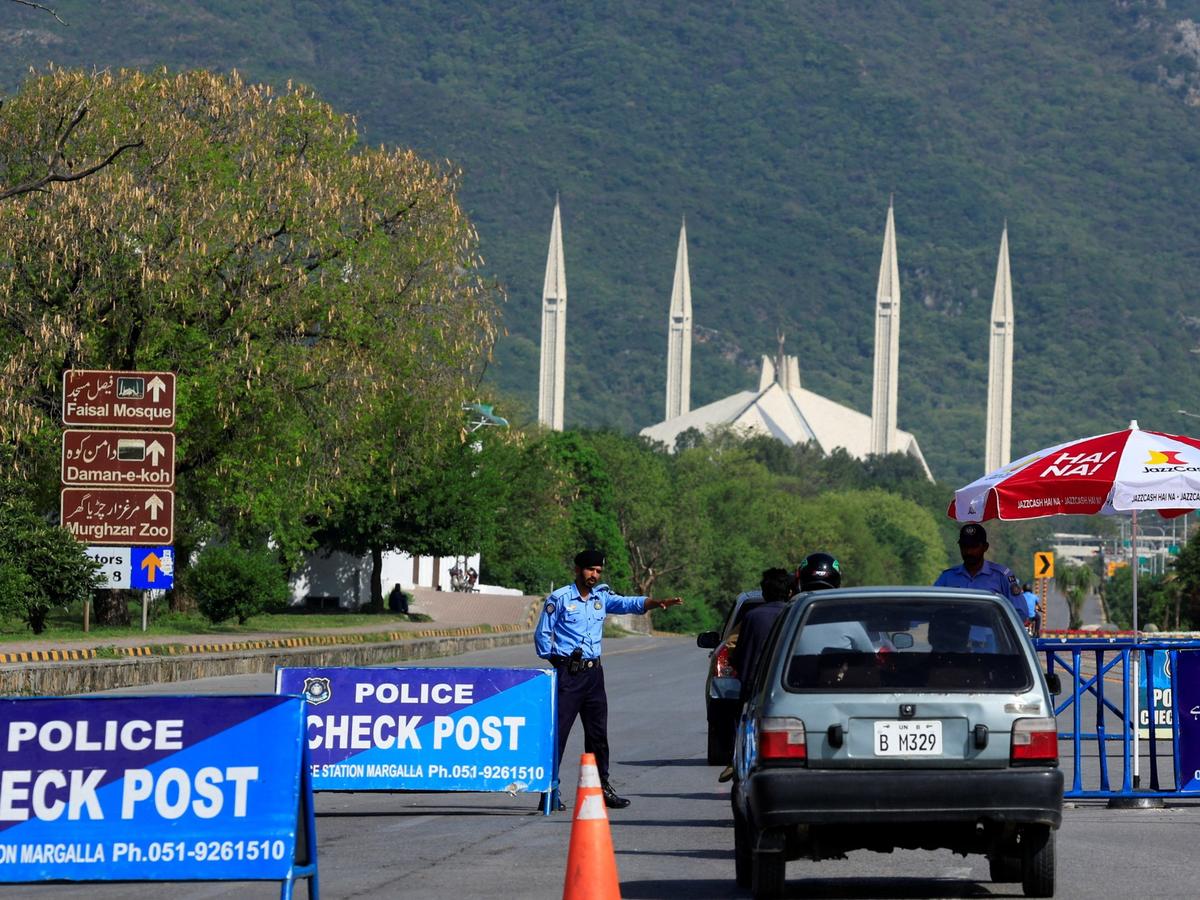
Second Round in Islamabad: Who Are the Main US-Iran Negotiators?
Why It Matters
Extending the cease‑fire could prevent a broader regional war and protect vital shipping lanes, while a collapse would likely intensify U.S.–Iran hostilities and destabilize global energy markets.
Key Takeaways
- •JD Vance leads the U.S. delegation in the second Islamabad round
- •Iran’s team is headed by parliament speaker Ghalibaf and ex‑nuclear chief Araghchi
- •Seizure of the Touska ship escalated diplomatic pressure on Tehran
- •Ali Larijani’s death removes a seasoned Iranian strategist from negotiations
Pulse Analysis
The Islamabad talks represent the latest diplomatic effort to stave off a wider conflict between Washington and Tehran. After the U.S. Navy intercepted the 274‑metre Iranian‑flagged container ship Touska, both sides face heightened pressure to secure a cease‑fire extension. Analysts note that the presence of high‑profile figures such as JD Vance, a former Marine turned vice‑president‑candidate, signals Washington’s intent to blend political clout with seasoned back‑channel operatives like Jared Kushner and Steve Witkoff. Their combined experience in prior Oman talks and regional accords aims to bridge the gap between hard‑line rhetoric and pragmatic compromise.
Iran’s delegation leans on seasoned diplomats, with parliament speaker Mohammad Bagher Ghalibaf bringing a security‑heavy background and former nuclear deal chief Abbas Araghchi offering technical expertise. Their participation underscores Tehran’s desire to retain leverage in negotiations despite the loss of Ali Larijani, a pragmatic strategist killed in an Israeli strike. The absence of Larijani removes a bridge between Iran’s security establishment and reformist elements, potentially hardening Tehran’s negotiating posture and complicating any quick resolution.
The stakes extend beyond the immediate cease‑fire. A prolonged stalemate threatens to disrupt the Strait of Hormuz, a chokepoint through which roughly 20% of global oil passes, and could trigger higher insurance premiums and shipping costs worldwide. Moreover, the outcome will influence U.S. credibility in the Middle East, affecting future engagements with allies such as Israel and Saudi Arabia. Stakeholders—from energy traders to regional governments—are watching closely, as the next diplomatic move could either cement a fragile peace or ignite a broader escalation that reshapes the geopolitical landscape.
Second round in Islamabad: Who are the main US-Iran negotiators?
Comments
Want to join the conversation?
Loading comments...