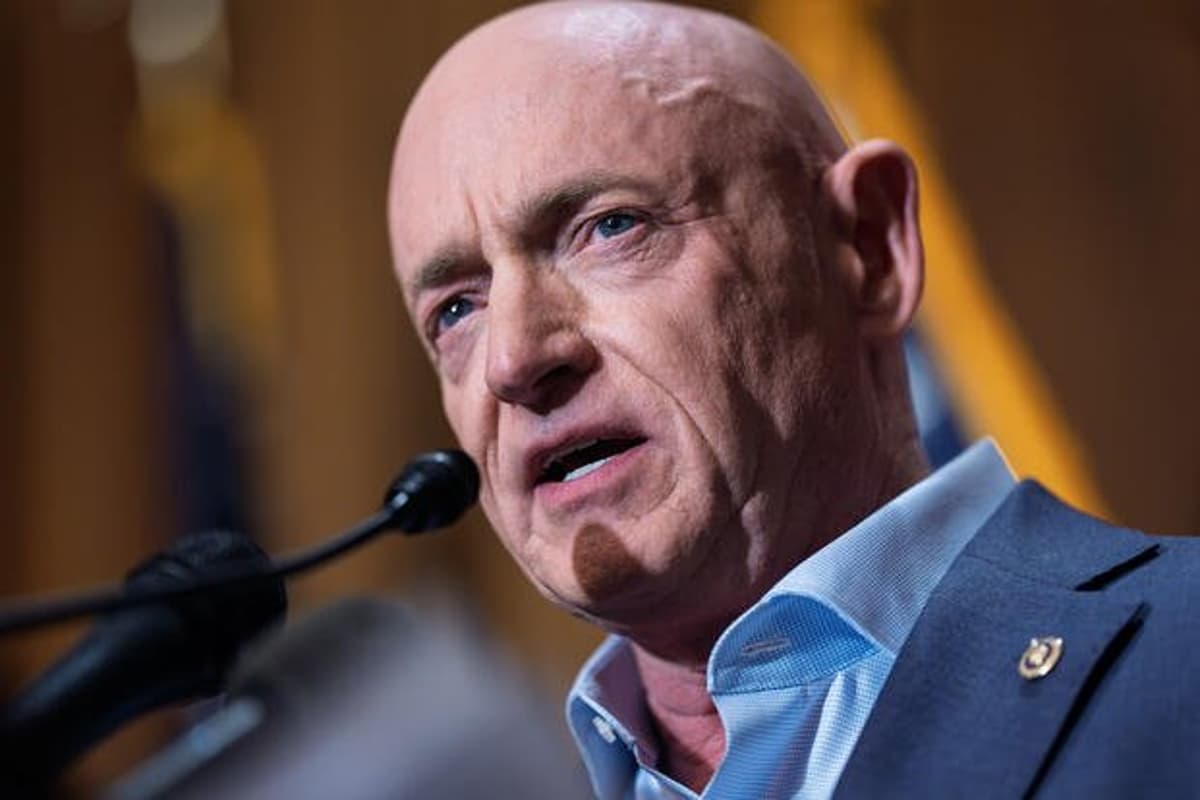
Sen. Kelly Sues the Pentagon Over Attempts to Punish Him, Declaring It Unconstitutional
•January 12, 2026
0
Why It Matters
The lawsuit challenges how far the executive branch can punish elected officials for speech on military policy, potentially reshaping the balance between civil liberties and armed‑forces discipline. A ruling could set a precedent for future conflicts over dissent within the ranks of retired service members who hold public office.
Key Takeaways
- •Sen. Mark Kelly sued Pentagon over censure.
- •Video urged troops to reject unlawful orders.
- •Pentagon threatens demotion and pay cut for retired rank.
- •Case tests First Amendment limits on military discipline.
Pulse Analysis
The legal battle between Sen. Mark Kelly and the Department of Defense highlights a rare clash of constitutional rights and military hierarchy. Kelly, a decorated former Navy captain, argues that the Pentagon’s censure and the threat of rank reduction constitute retaliation for protected speech, violating the First Amendment. His lawsuit seeks an injunction against any punitive action, framing the issue as a broader question of whether legislators can be disciplined for urging service members to disobey illegal orders. This dispute arrives amid heightened political tension over the role of the armed forces in domestic policy debates.
At the heart of the case lies a complex interplay between congressional oversight and military discipline. Historically, the armed services have maintained strict control over conduct, especially concerning retired personnel who could be recalled. However, the Constitution grants lawmakers broad free‑speech protections, particularly when addressing public policy. Courts will need to balance the Pentagon’s authority to enforce order with the principle that elected officials should not face punitive measures for expressing dissent, a balance that could redefine the scope of the Uniform Code of Military Justice as it applies to veterans in public office.
Politically, the lawsuit may reverberate beyond the courtroom, influencing how future administrations handle dissent from veteran lawmakers. A ruling favoring Kelly could embolden legislators to speak more freely on military matters, while a decision upholding the Pentagon’s actions might deter public criticism of defense policies. The outcome will also signal to the broader public how robust First Amendment protections are when intersecting with national security concerns, potentially shaping the discourse around civil‑military relations for years to come.
Sen. Kelly Sues the Pentagon Over Attempts to Punish Him, Declaring It Unconstitutional
0
Comments
Want to join the conversation?
Loading comments...