Why It Matters
Maintaining free navigation through Hormuz is critical for global oil supplies and tests NATO cohesion, while European naval involvement could curb Iran’s leverage over maritime trade.
Key Takeaways
- •US began Strait of Hormuz blockade April 13, guiding two commercial ships.
- •Allies angered by lack of consultation, yet face navigation freedom risks.
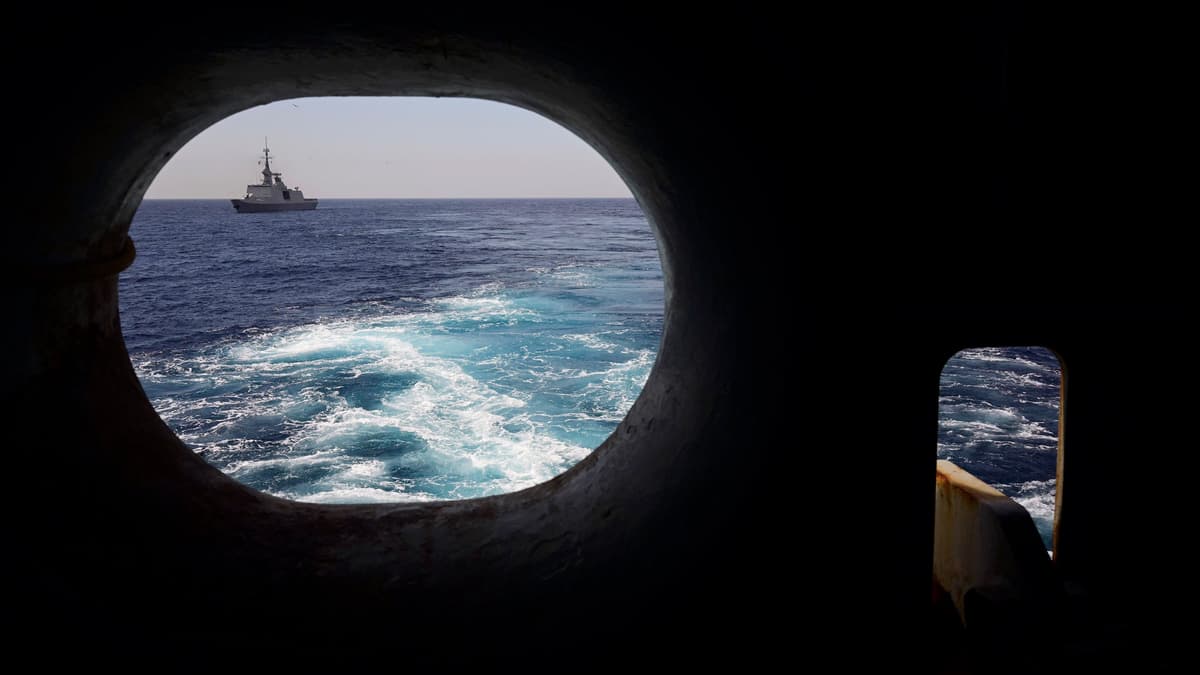
- •Europe urged to deploy frigates, smaller than US destroyers, for escort duties.
- •Iran's missile program threatens European capitals, heightening security stakes.
- •Failure to act could embolden Iran to impose tolls on Hormuz traffic.
Pulse Analysis
The U.S. decision to block the Strait of Hormuz without prior coordination has rattled long‑standing transatlantic ties. By moving two commercial vessels and two destroyers through the chokepoint, Washington demonstrates operational confidence, yet the surprise element has left European capitals feeling sidelined. This diplomatic misstep underscores a broader pattern in the Trump administration: unilateral action that forces allies to choose between political protest and pragmatic security cooperation.
Beyond the political fallout, the strait remains a linchpin of global energy markets. Roughly 20% of the world’s oil passes through Hormuz, and any disruption instantly reverberates in gasoline prices and supply chains. European and Asian economies, heavily dependent on Gulf oil, have a vested interest in preserving freedom of navigation. By supplying frigates—vessels that displace around 6,000 tons compared with the U.S. Navy’s 10,000‑ton destroyers—Europe can help deter Iranian aggression without committing larger capital ships, thereby balancing risk and resource allocation.
The episode also forces NATO to confront its strategic posture. If allies refuse to assist, Iran could feel emboldened to levy tolls or increase missile threats, eroding the principle of open seas. Conversely, a coordinated frigate deployment signals a united front, reinforcing deterrence while prompting a reassessment of European naval procurement. In an era where deterrence alone may no longer suffice, the push for capable escort vessels could reshape defense budgets and signal a shift toward more expeditionary maritime capabilities.
Send the Frigates
Comments
Want to join the conversation?
Loading comments...