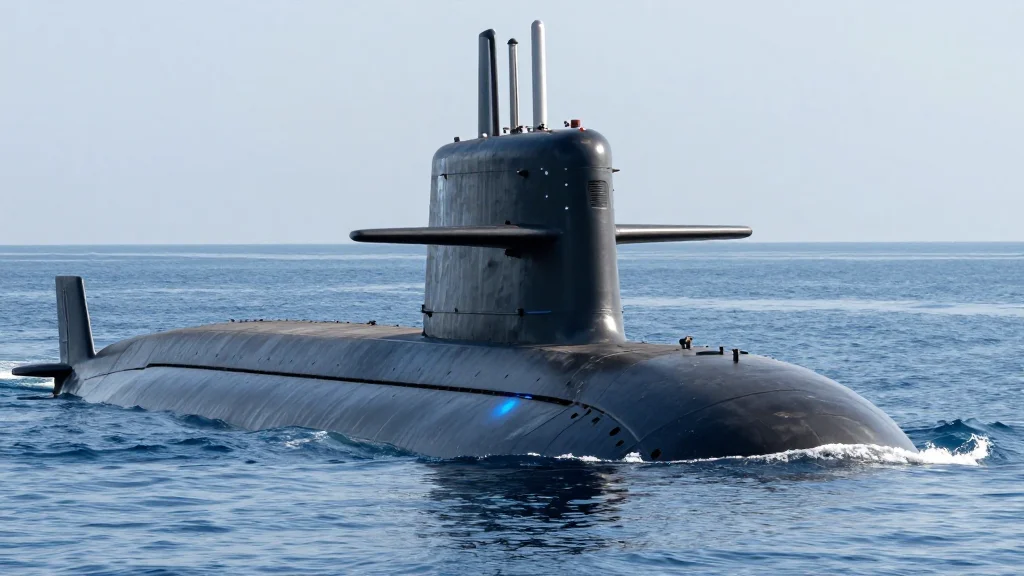
Seoul’s SSN Programme Launch Raises Questions on Fuel, Tech and Build Location
Why It Matters
The move reshapes the regional security calculus by bolstering South Korea’s deterrence while potentially spurring a new undersea arms race in East Asia. It also tests the limits of U.S.–ROK defense cooperation and domestic industrial capacity.
Key Takeaways
- •South Korea aims to field nuclear‑propelled attack submarines
- •Project Jangbogo‑N aligns with U.S. strategic partnership
- •Program responds to North Korea’s expanding undersea missile threat
- •Domestic build raises questions on fuel source and technology
Pulse Analysis
South Korea’s decision to pursue nuclear‑propelled attack submarines reflects a broader shift in East Asian security dynamics. Historically limited to conventional diesel‑electric fleets, the Republic of Korea now seeks to join a select group that includes the United States, United Kingdom, France, Russia, and China. By formalising the Jangbogo‑N Project, Seoul signals a willingness to invest heavily in strategic deterrence, leveraging its advanced shipbuilding sector and deepening ties with Washington amid heightened concerns over Pyongyang’s submarine‑launched ballistic missiles.
The technical hurdles are formidable. Developing a compact, safe nuclear reactor for a submarine requires expertise that South Korea currently lacks, prompting reliance on U.S. technology transfers and possible joint‑development agreements. Fuel sourcing presents another layer of complexity, as the nation must decide whether to procure enriched uranium from allies or develop an indigenous supply chain, each option carrying proliferation sensitivities. Moreover, integrating nuclear propulsion with existing hull designs will test domestic shipyards, which must meet stringent safety and stealth standards while maintaining cost efficiency.
Strategically, the Jangbogo‑N Project could recalibrate the balance of power in the Yellow Sea and beyond. A nuclear‑armed submarine fleet would grant Seoul a credible second‑strike capability, enhancing deterrence against North Korea’s growing undersea missile threat. However, it may also provoke neighboring powers to accelerate their own submarine programs, potentially igniting a regional arms race. For the United States, the initiative deepens the alliance and offers a platform for joint training and interoperability, but it also obliges Washington to navigate non‑proliferation commitments and technology export controls. Ultimately, the success of the program will hinge on Seoul’s ability to manage technical risk, secure financing, and align strategic objectives with its allies.
Seoul’s SSN programme launch raises questions on fuel, tech and build location
Comments
Want to join the conversation?
Loading comments...