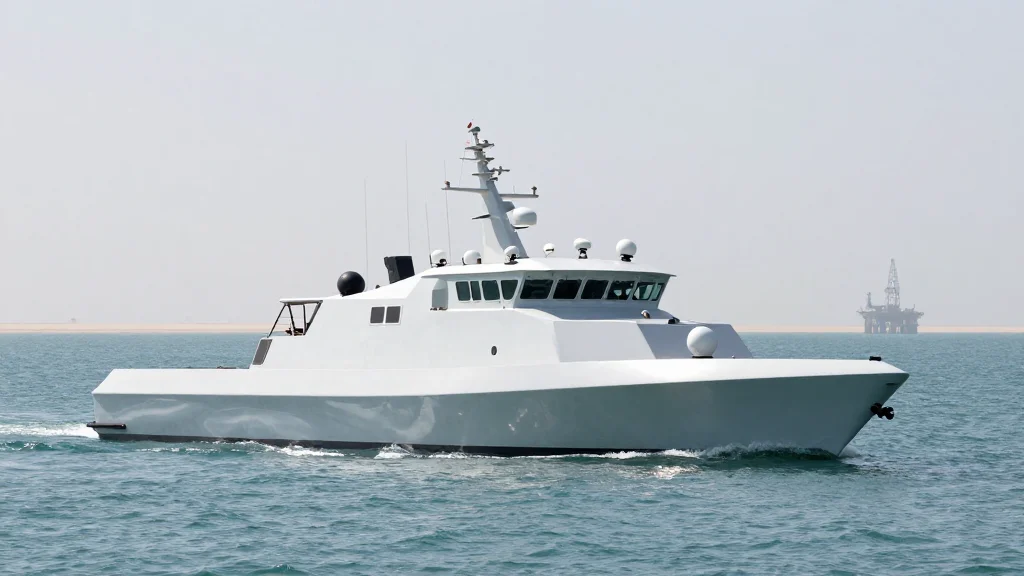
Shoreline Vulnerability Drives Gulf Interest in USV Networks
Why It Matters
Gulf nations see the Magura V5 as an affordable way to augment naval defence amid shrinking air‑defence inventories, potentially shifting procurement toward low‑cost unmanned systems. This could accelerate adoption of attritable platforms in a market traditionally dominated by high‑end Western hardware.
Key Takeaways
- •Magura V5 sank Russian corvette and landing ship in 2025
- •Targets valued at $250‑300 k each, yielding high cost‑exchange ratio
- •Gulf states eye USVs to offset depleted air‑defence magazines
- •Low‑cost attritable vessels may disrupt traditional procurement models
Pulse Analysis
The Magura V5’s combat debut in the Black Sea demonstrated that a modestly priced uncrewed surface vessel can deliver decisive strikes against high‑value warships. By sinking the Russian Tarantul‑III‑class corvette Ivanovets and the 4,000‑ton Ropucha‑class landing ship Tsezar Kunikov, the USV proved its lethality and cost‑effectiveness, with each target estimated at $250,000‑$300,000. This performance challenges the conventional wisdom that only expensive, manned platforms can threaten capital ships, opening a new paradigm for naval engagements.
Gulf states, long reliant on layered air‑defence systems, now confront dwindling missile stocks after sustained regional conflicts. The Iran‑Israel confrontation has exposed gaps in maritime air‑defence coverage, prompting policymakers to explore alternative solutions. The Magura V5’s low acquisition cost and attritable nature make it an attractive supplement, offering a rapid‑response, expendable asset that can engage surface threats without draining scarce air‑defence ammunition. Regional navies are evaluating how such USVs could integrate with existing patrol boats and coastal batteries to create a more resilient defence posture.
If Gulf interest translates into procurement contracts, the market for unmanned naval platforms could expand dramatically. Traditional defence suppliers may need to adapt, offering modular, cost‑efficient USV solutions alongside legacy systems. Moreover, the shift toward attritable technology could influence broader strategic doctrines, emphasizing swarm tactics and distributed lethality over singular, high‑value assets. Analysts predict that successful adoption in the Gulf could spur other littoral nations to follow suit, accelerating the global transition toward unmanned, affordable maritime warfare.
Shoreline vulnerability drives Gulf interest in USV networks
Comments
Want to join the conversation?
Loading comments...