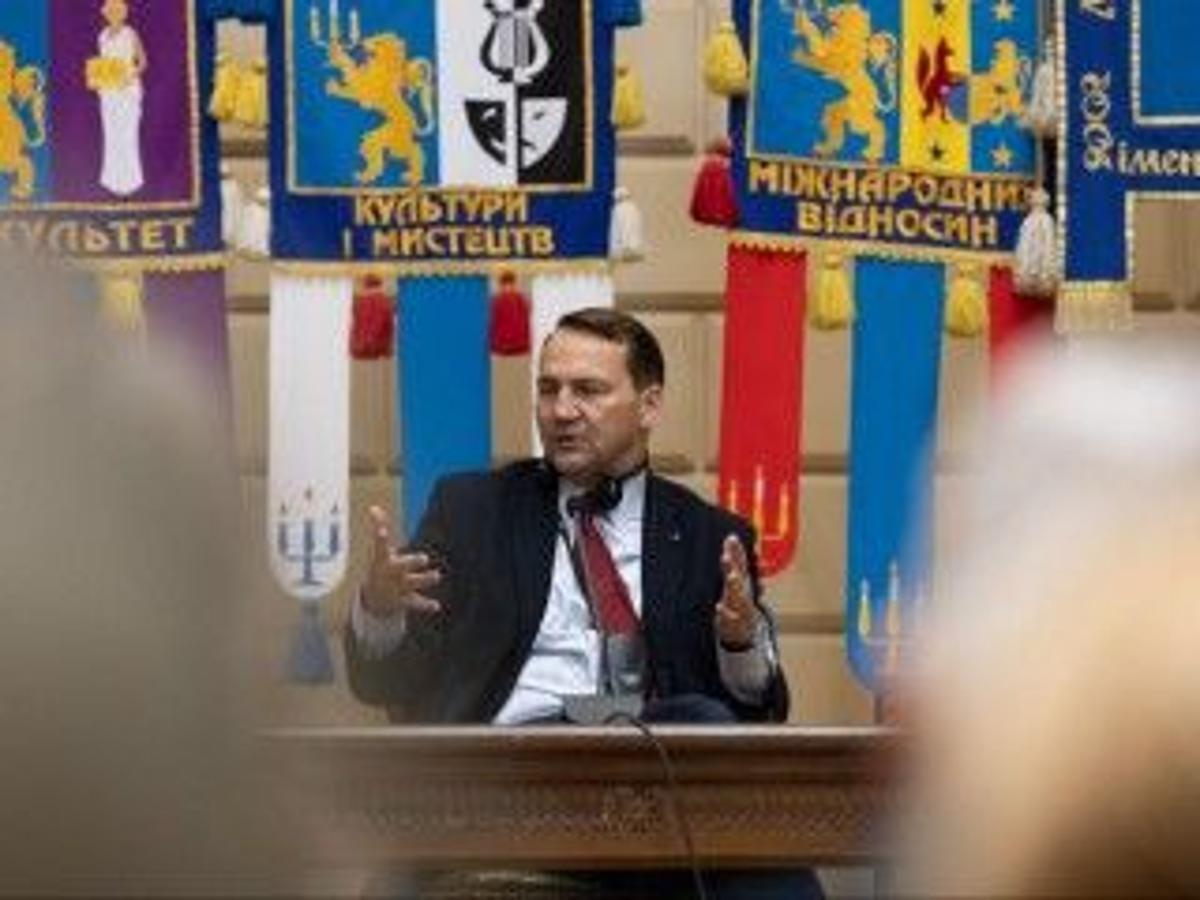
Sikorski Rejects EU Federal Army, Proposes “European Legion”
Why It Matters
The proposal underscores the EU’s struggle to balance deeper defence integration with national sovereignty and NATO commitments, shaping future European security architecture.
Key Takeaways
- •Sikorski dismisses EU federal army as unrealistic
- •Proposes a volunteer "European Legion" brigade-sized unit
- •Legion insufficient against major powers like Russia
- •EU battle groups remain unused due to design flaws
- •Debate highlights tension between EU autonomy and NATO reliance
Pulse Analysis
The debate over a pan‑European fighting force has resurfaced amid growing geopolitical pressure on the continent. While the EU has long experimented with rapid reaction battle groups, their limited deployment record has exposed structural weaknesses. Sikorski’s “European Legion” concept attempts to sidestep the political quagmire of full integration by offering a modest, volunteer‑based brigade that could be mobilised for low‑intensity missions. This approach reflects a pragmatic compromise: preserving national command structures while providing a collective tool for crises that fall below the threshold of full‑scale war.
Strategically, a brigade‑size legion cannot replace the deterrence offered by larger national armies or NATO’s integrated command. However, it could fill a niche for rapid response to destabilising events in the Mediterranean, the Sahel, or the Western Balkans—regions where the EU has economic and political stakes but limited on‑the‑ground capacity. By leveraging volunteers from multiple member states, the legion could foster interoperability and shared operational doctrine, easing the transition toward deeper defence cooperation without triggering sovereignty concerns.
Politically, the proposal highlights the delicate balance between EU federalisation ambitions and the entrenched role of national militaries as symbols of sovereignty. Countries wary of ceding control to Brussels view any supranational force as a potential threat to their strategic autonomy and to the transatlantic alliance. As long as the United States remains the cornerstone of European security, EU leaders must navigate these sensitivities, making incremental steps—like the European Legion—more viable than an outright federal army. The outcome will shape the EU’s long‑term strategic autonomy and its relationship with NATO.
Sikorski rejects EU Federal Army, proposes “European Legion”


Comments
Want to join the conversation?
Loading comments...