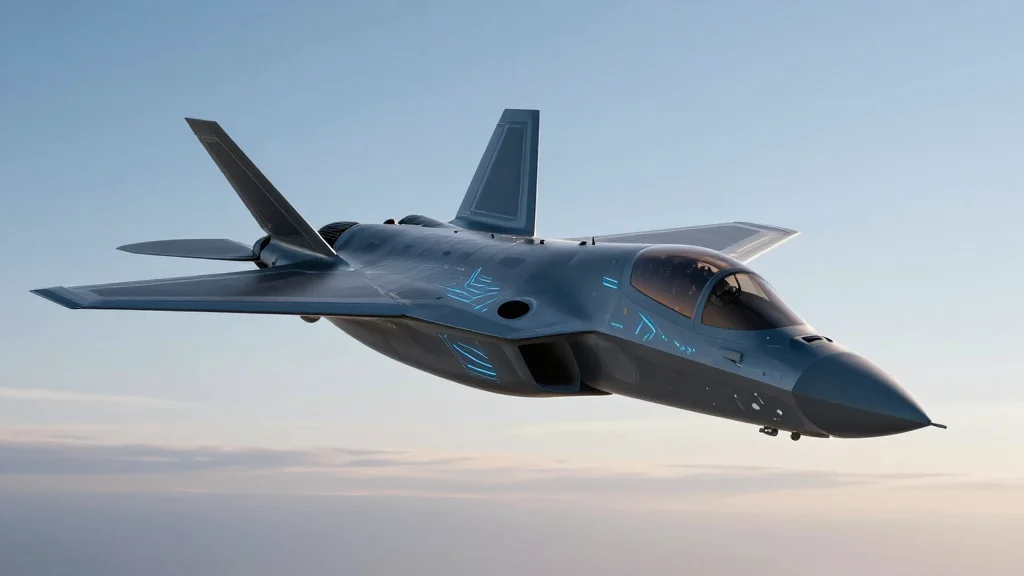
Silent Vanguard: Inside Combat Air Autonomy
Companies Mentioned
Why It Matters
Autonomous combat aircraft could slash operational costs, accelerate decision cycles, and force a rethink of air‑combat doctrine across global armed forces.
Key Takeaways
- •Anduril unveiled Fury autonomous combat aircraft at Paris 2025.
- •Fury combines AI with existing fighter airframes for collaborative missions.
- •Autonomy aims to reduce pilot workload and increase mission adaptability.
- •Potential to reshape air combat doctrine and procurement strategies.
- •Industry watches as AI integration accelerates defense innovation.
Pulse Analysis
Anduril’s Fury aircraft, unveiled at the 2025 Paris Air Show, represents a watershed moment for autonomous combat aviation. By embedding sophisticated AI into a modular airframe, Anduril aims to create a platform that can operate alongside manned fighters, sharing sensor data and executing coordinated strikes without direct pilot input. The display highlighted real‑time decision‑making capabilities, adaptive flight paths, and a collaborative network that can reassign tasks on the fly, positioning Fury as a prototype for the next generation of "collaborative combat aircraft" that blend human and machine strengths.
The strategic implications are profound. Autonomy promises to reduce pilot fatigue and training costs while delivering faster reaction times in contested environments. Military planners anticipate that AI‑driven platforms could take on high‑risk missions—such as penetrating dense air defenses—leaving human pilots to focus on strategic oversight. Moreover, the ability to swarm or coordinate multiple autonomous assets could reshape air‑combat doctrine, shifting emphasis from individual aircraft performance to networked mission effectiveness. Cost efficiencies may also emerge as existing airframes are retrofitted with AI modules rather than replaced entirely.
Industry observers note that Anduril’s move intensifies competition among defense innovators racing to commercialize autonomous flight. Traditional aerospace giants are now forced to accelerate their own AI programs or partner with tech firms to stay relevant. While regulatory and ethical hurdles remain—particularly around lethal decision‑making by machines—the momentum behind autonomous combat systems suggests a rapid evolution in defense procurement. Stakeholders should monitor policy developments, integration challenges, and the emerging market for AI‑enabled air platforms as they could redefine the future battlefield.
Silent vanguard: inside combat air autonomy
Comments
Want to join the conversation?
Loading comments...