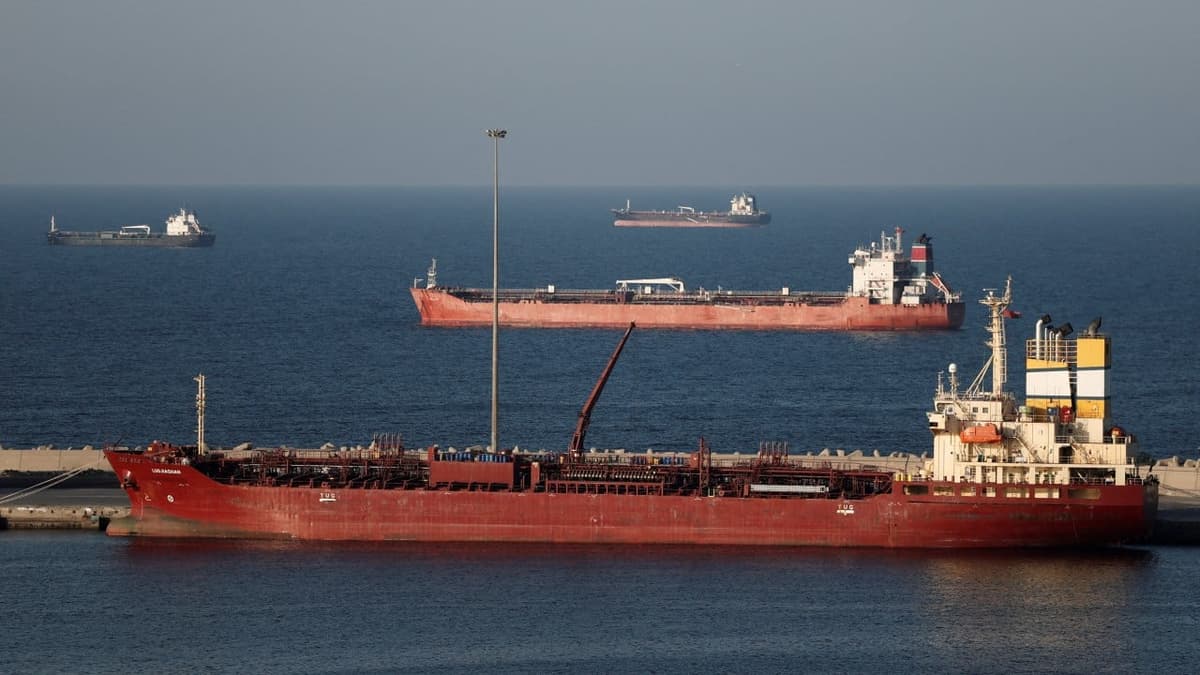
Singapore’s Hormuz Stance, Manila-Hong Kong Housing Gap: 7 Asia Highlights
Companies Mentioned

Bloomberg
Why It Matters
These developments signal shifting geopolitical alignments, financial pressures, and social tensions that could reshape investment flows and policy priorities across the region. Understanding them helps businesses anticipate risk and opportunity in fast‑moving Asian markets.
Key Takeaways
- •Singapore rejects Hormuz talks, sparking Malaysian political backlash
- •UAE demands $3.5 bn from Pakistan amid Iran‑war mediation
- •Manila’s housing unaffordability eclipses Hong Kong’s high price indexes
- •Japan’s cherry‑blossom season fuels overtourism and etiquette disputes
- •Pakistan deploys jets to Saudi Gulf, influencing Iran‑related security dynamics
Pulse Analysis
Singapore’s hard‑line stance on the Hormuz Strait underscores a broader recalibration of Southeast Asian security postures. By refusing to engage with Iran, Singapore not only alienated neighboring Malaysia but also highlighted the delicate balance between maritime freedom and regional diplomatic pressure. At the same time, the United Arab Emirates’ demand for a $3.5 billion repayment from Pakistan’s central bank adds financial strain to Islamabad, already navigating a volatile Iran‑U.S. conflict. These moves illustrate how geopolitical friction can quickly translate into fiscal exposure for emerging economies.
Housing affordability remains a stark dividing line in Asia. While Hong Kong and Singapore dominate global unaffordability rankings, the lived reality for Manila’s residents is far harsher, with a majority reporting an inability to secure decent shelter. This gap reflects divergent policy responses: Hong Kong and Singapore rely on supply‑side constraints and high‑value property markets, whereas Manila grapples with rapid urbanization, limited public housing, and pervasive informal settlements. Investors and developers must therefore tailor strategies to local income dynamics rather than relying on headline price indexes alone.
Social and cultural pressures are also intensifying. Japan’s iconic cherry‑blossom season has become a flashpoint for overtourism debates, prompting calls for stricter visitor etiquette and sustainable crowd management. Concurrently, a defamation lawsuit filed by Singapore’s ministers against Bloomberg signals heightened sensitivity to media scrutiny in the region. In Saudi Arabia, Pakistan’s deployment of JF‑17 jets adds a new layer to Gulf security calculations amid the Iran war, while Japan’s aggressive deportation drive raises human‑rights concerns for asylum seekers. Together, these narratives reveal a complex tapestry of geopolitical, economic, and societal forces reshaping Asia’s near‑term outlook.
Singapore’s Hormuz stance, Manila-Hong Kong housing gap: 7 Asia highlights
Comments
Want to join the conversation?
Loading comments...