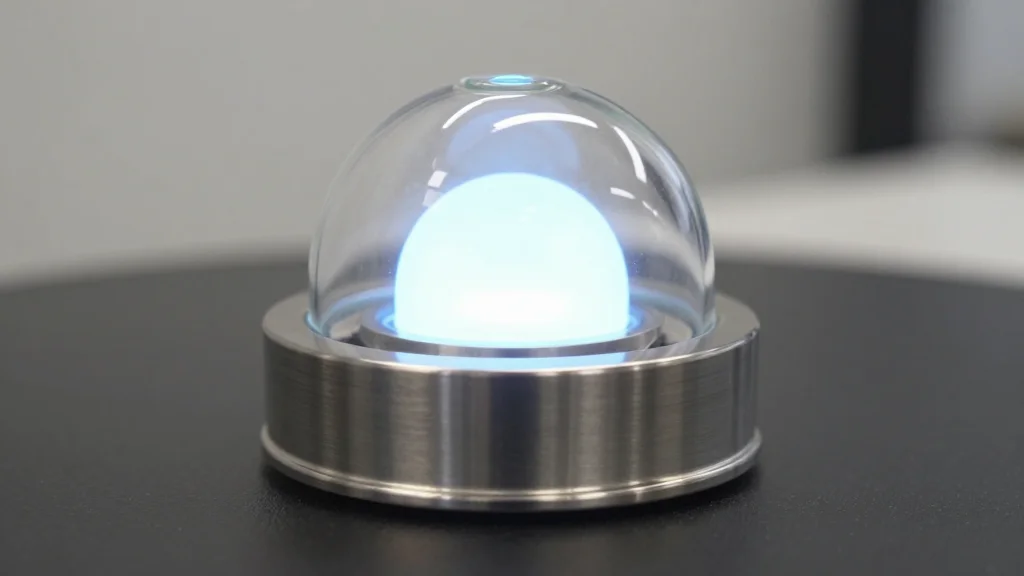
Small Modular Nuclear Reactor Reaches Criticality In First Test

Companies Mentioned
Why It Matters
Achieving criticality validates Antares' safety models and moves the SMR toward licensing, accelerating U.S. clean‑energy and strategic power diversification. The result also demonstrates government‑backed pathways for rapid deployment of compact nuclear solutions.
Key Takeaways
- •Antares' Mark 0 reactor achieved first criticality among new SMR designs
- •DOE executive order set a one‑year deadline for three SMR milestones
- •Project Pele partnership positions Antares for mobile nuclear power applications
- •NASA backing underscores interest in space‑compatible small reactors
Pulse Analysis
The small modular reactor (SMR) market has been buoyed by policy incentives since the 2020 executive order that tasked the Department of Energy with fast‑tracking three novel designs. While dozens of startups have emerged, only a handful have secured full licensing, and none had yet demonstrated a core reaching criticality. Antares' breakthrough at Idaho National Laboratory therefore represents a tangible proof point that the regulatory push can translate into technical milestones, offering investors and policymakers a concrete example of progress beyond conceptual designs.
Criticality—where nuclear fission becomes self‑sustaining—does not equate to power generation, but it is a crucial validation step. Antares is using the Mark 0 test to confirm computational models, gather safety data, and streamline its forthcoming licensing dossier. By decoupling the reactor core from the turbine system, the company can focus on core physics and containment integrity, reducing the risk profile that regulators scrutinize. The data collected will feed into the Nuclear Regulatory Commission's review process, potentially shortening the time to commercial deployment compared with traditional large‑scale reactors.
Beyond civilian energy, the achievement dovetails with strategic initiatives. The Department of Defense’s Project Pele aims to field mobile nuclear reactors for forward operating bases, and Antares' proven core is a key component of that vision. NASA’s involvement hints at future applications in lunar or Martian habitats, where compact, reliable power sources are essential. As the U.S. seeks to diversify its energy mix and bolster national security, Antares' milestone could catalyze further public‑private partnerships, stimulate supply‑chain investment, and accelerate the broader adoption of SMR technology.
Small Modular Nuclear Reactor Reaches Criticality In First Test
Comments
Want to join the conversation?
Loading comments...