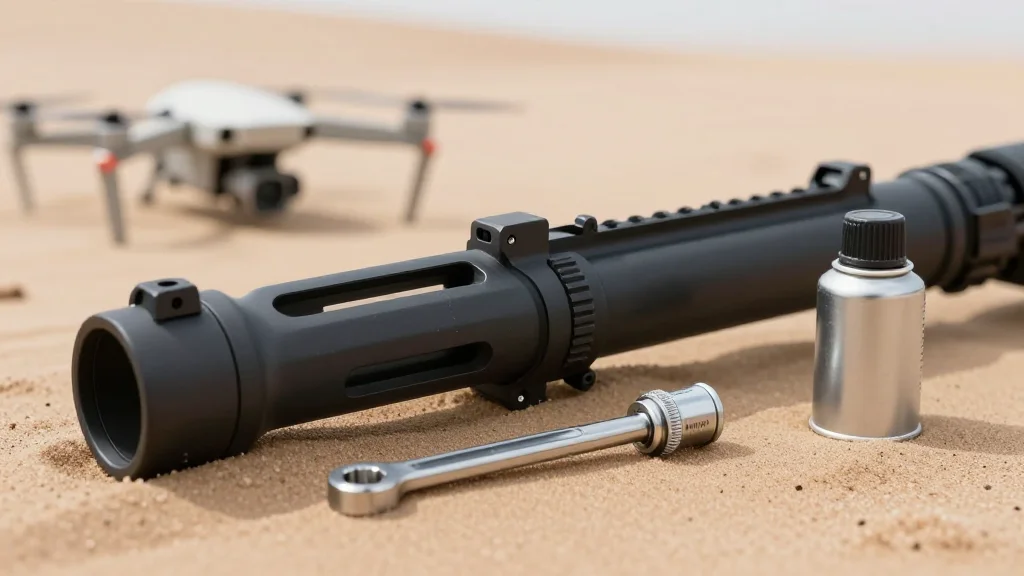
SOF Week 2026: The Gear Keeping Warfighters Ready in Extreme Climates (Video)
Why It Matters
Reliable weapons and sensor systems are critical to mission success, reducing downtime and enhancing combat effectiveness for U.S. special‑operations units.
Key Takeaways
- •Specialized lubricants protect weapons in sand, cold, humidity
- •Portable cleaning kits enable on‑site weapon maintenance
- •Drone‑optics maintenance tools extend UAV sensor lifespan
- •Precision‑torque devices ensure accurate weapon assembly in field
- •Reducing equipment failure boosts mission readiness and survivability
Pulse Analysis
Special‑operations forces routinely operate in environments that push equipment to its limits—blistering deserts, sub‑zero arctic zones, and high‑humidity jungles. In such settings, even minor mechanical failures can jeopardize a mission and endanger lives. The defense logistics sector has therefore shifted focus from merely delivering weapons to ensuring they remain functional after prolonged exposure to dust, moisture, and temperature extremes. This shift has spurred a wave of niche suppliers developing ruggedized maintenance solutions, a trend that aligns with the U.S. Department of Defense’s emphasis on sustainment and operational readiness.
Pro‑Shot Defense’s showcase at SOF Week 2026 underscores that evolution. Its proprietary lubricants incorporate synthetic base oils and extreme‑temperature additives that maintain viscosity from -40 °C to 60 °C, preventing metal‑to‑metal wear. The company’s compact cleaning systems combine solvent‑based wipes with anti‑corrosion agents, allowing operators to perform a full barrel purge in under five minutes without a support vehicle. New field‑maintenance kits bundle precision‑torque wrenches calibrated to within 0.02 Nm, ensuring consistent bolt tension on rifles and drones alike. Early field trials report a 30 % reduction in weapon‑related malfunctions during extended deployments.
The implications extend beyond the battlefield. By minimizing downtime, these technologies reduce logistical footprints, lower resupply costs, and enable smaller units to operate autonomously for longer periods. Defense contractors are likely to integrate Pro‑Shot’s modules into broader platform contracts, while procurement offices may prioritize sustainment‑focused solutions in upcoming FY2027 budgets. As autonomous systems and unmanned aerial vehicles become integral to special‑operations tactics, the demand for reliable optics maintenance will only grow. Pro‑Shot’s approach illustrates how targeted engineering can translate into strategic advantage, reinforcing the United States’ edge in high‑risk, climate‑intensive missions.
SOF Week 2026: The Gear Keeping Warfighters Ready in Extreme Climates (Video)
Comments
Want to join the conversation?
Loading comments...