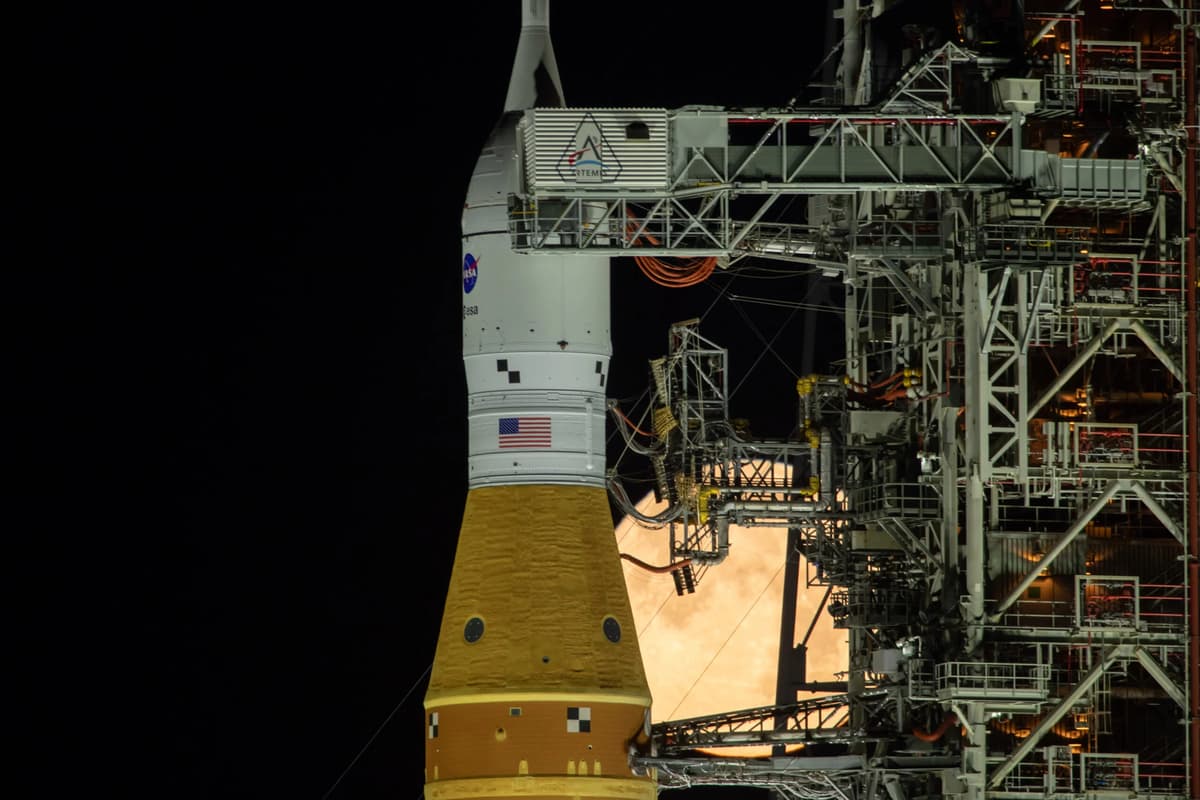
Soft Power and the Race to the Moon: Why Cislunar Norms Are the Next Hill to Hold
•February 12, 2026
0
Why It Matters
Shaping cislunar governance will decide who controls critical lunar infrastructure and commercial opportunities, directly impacting U.S. economic and security interests. Inaction risks fragmented rules that cede advantage to rival powers.
Key Takeaways
- •Cislunar real estate scarcity drives need for property norms
- •First communications standards will lock in market dominance
- •China aims crewed lunar landing by 2030, intensifying competition
- •Congressional funding essential for domain awareness and interoperability
Pulse Analysis
The shift from low‑Earth orbit to cislunar space marks a new strategic frontier where geopolitical influence will be exercised through norms rather than solely through rockets. As nations eye the lunar south pole’s water ice and power‑rich terrain, the absence of formal property rights makes "due regard" and transparent coordination essential. Early adopters of interoperable communications and navigation frameworks will set de‑facto standards, echoing how GPS and the internet locked in U.S. leadership on Earth. This path dependence underscores why the United States must act now to embed its values in the emerging cislunar architecture.
NASA’s Artemis program and the accompanying Artemis Accords serve as the United States’ soft‑power engine, translating space‑law principles into practical rules for transparency, data‑sharing, and interoperability. Initiatives like LunaNet provide an open‑source communications backbone that commercial partners can plug into, lowering costs and enhancing safety for all participants. By championing open scientific data and coordinated spectrum use, the Accords showcase a model of responsible lunar activity that smaller nations can readily adopt, reinforcing U.S. influence without direct coercion.
Congressional action will determine whether these soft‑power tools become durable assets or remain symbolic. Funding cislunar domain awareness will give the U.S. the situational awareness needed to enforce transparency and prevent harmful interference. Institutionalizing LunaNet as a public‑good standard and clarifying de‑confliction protocols without implying sovereignty will create a predictable, sustainable environment for private investment. As China and Russia accelerate their lunar ambitions, a proactive U.S. policy that blends technical standards, diplomatic outreach, and legislative support will secure economic returns and maintain strategic stability in the next era of space exploration.
Soft Power and the Race to the Moon: Why Cislunar Norms Are the Next Hill to Hold
0
Comments
Want to join the conversation?
Loading comments...