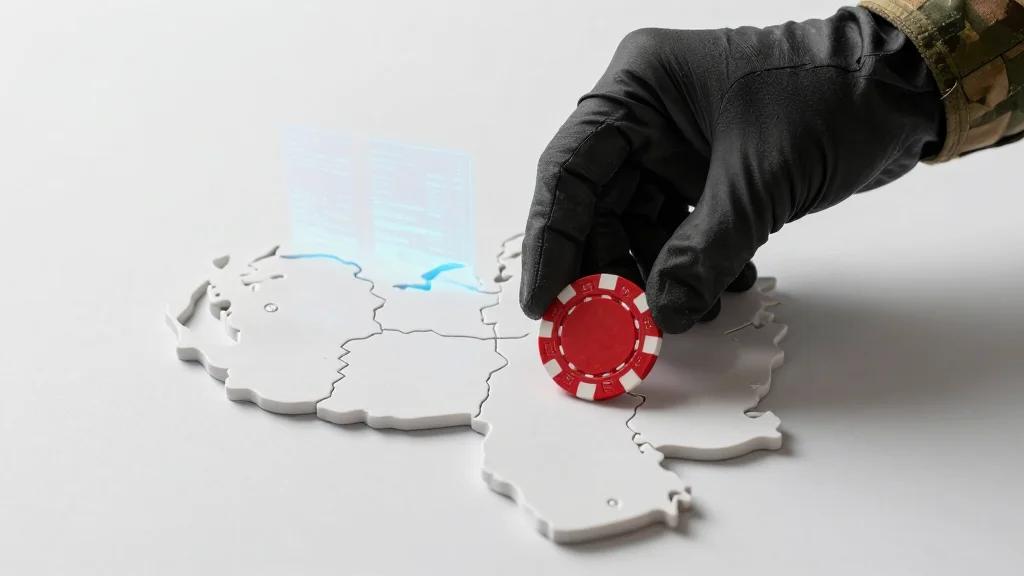
Soldier's Arrest in Maduro Raid Polymarket Bet Spotlights Military's Risks in Prediction Markets
Companies Mentioned

Why It Matters
The arrest signals that prediction markets pose real national‑security risks, prompting tighter regulation and platform controls to protect sensitive information. It also forces policymakers to confront the ethical and legal gaps in emerging digital betting ecosystems.
Key Takeaways
- •Soldier used classified intel to profit $400k on Polymarket bets
- •Prediction markets flagged activity, helping DOJ arrest the soldier
- •Platforms added insider‑trading safeguards following the controversy
- •Experts warn markets provide real‑time intelligence to hostile actors
- •Congress introduces bills to ban death markets and insider betting
Pulse Analysis
Prediction markets have surged in popularity, offering users the ability to wager on outcomes ranging from elections to weather events. Their data streams now feed major media outlets, with Polymarket appearing on Dow Jones platforms and Kalshi integrated into Fox Corp. coverage. This visibility, while expanding financial innovation, blurs the line between speculative trading and the dissemination of actionable intelligence, raising questions about the adequacy of existing regulatory frameworks.
The recent arrest of Army specialist Gannon Ken Van Dyke brings those concerns into sharp focus. Prosecutors allege he leveraged confidential operational details to place $33,000 in bets that yielded $400,000 in profit, exploiting the public order book as a covert intelligence channel. Experts such as Alex Goldenberg and former Air Force secretary Frank Kendall warn that adversaries can monitor market activity to infer U.S. plans, effectively turning these platforms into real‑time surveillance tools. The case illustrates how insider‑trading safeguards, traditionally designed for financial markets, may be insufficient for national‑security contexts.
In response, prediction‑market operators are tightening controls. Polymarket now enforces stricter identity verification and has publicly cooperated with law‑enforcement investigations, while Kalshi has introduced algorithmic blocks for politicians and other high‑risk participants. Concurrently, Congress is drafting legislation to ban “death markets” and prohibit service members from betting on military actions. As regulators balance innovation with security, the industry faces a pivotal moment: adapt governance structures or risk further scrutiny that could reshape the future of event‑based trading.
Soldier's arrest in Maduro raid Polymarket bet spotlights military's risks in prediction markets
Comments
Want to join the conversation?
Loading comments...