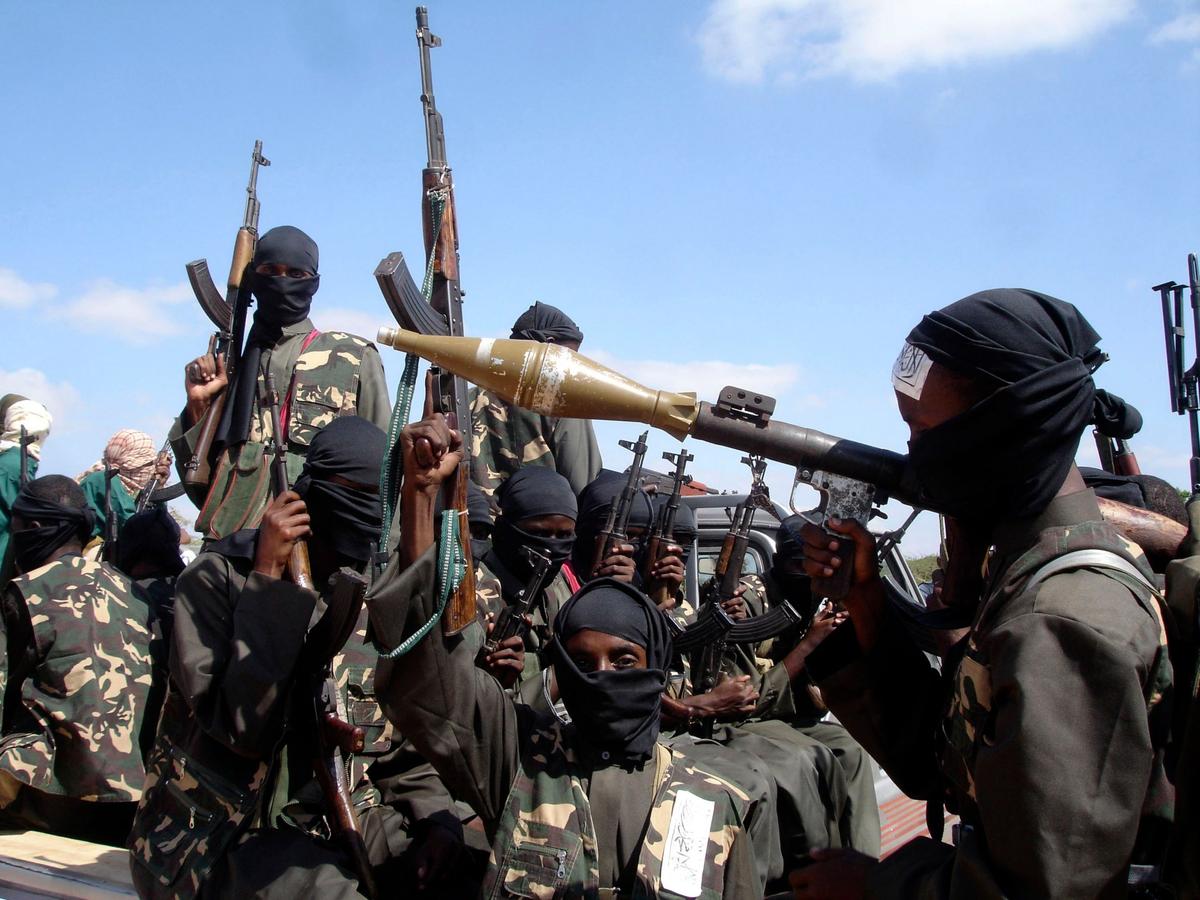
Somalia Reports Hit on Al-Shabab with ‘International Support’
Why It Matters
The operation demonstrates that coordinated international air support can significantly degrade al‑Shabab’s combat capacity, bolstering Somalia’s stability and regional security. It also signals continued U.S. commitment to counterterrorism in the Horn of Africa.
Key Takeaways
- •27 al‑Shabab fighters killed in Jubbaland operation
- •International partners provided air‑strike support, likely U.S. involvement
- •Somali forces seized AK‑47s, RPGs, BKM machine guns, and landmines
- •Operation covered Jilib, Xagar, and Afmadow districts
- •Ongoing raids aim to eliminate remaining insurgent elements
Pulse Analysis
Somalia has been locked in a protracted conflict with al‑Shabab since 2007, a group tied to al‑Qaeda that controls swaths of the south and central regions. International partners, most notably the United States, have long provided intelligence, training, and occasional air support to bolster the fragile Somali security apparatus. AFRICOM labels al‑Shabab as the most lethal and wealthiest al‑Qaeda affiliate in Africa, making any joint operation a focal point for broader counter‑terrorism strategy in the Horn of Africa.
The recent Jubbaland raid illustrates how coordinated ground assaults and precision air strikes can yield tangible results. By eliminating 27 insurgents and confiscating a cache of AK‑47 rifles, RPGs, BKM machine guns, and landmines, Somali forces disrupted a critical supply line and weakened the group’s ability to launch attacks on civilians. Targeting the districts of Jilib, Xagar and Afmadow—key transit hubs for militants—also hampers al‑Shabab’s mobility and recruitment pipelines, delivering a strategic setback that could curtail future offensives.
Beyond the immediate tactical gains, the operation carries broader geopolitical implications. A demonstrable partnership between Somalia and foreign militaries reassures investors and humanitarian agencies that the security environment is improving, potentially unlocking aid and development projects stalled by instability. For the United States, the success reinforces its policy of leveraging local forces rather than large‑scale deployments, aligning with cost‑effective counterterrorism objectives. Continued collaboration will be essential to sustain pressure on al‑Shabab, reduce displacement crises, and promote long‑term governance reforms across the region.
Somalia reports hit on al-Shabab with ‘international support’
Comments
Want to join the conversation?
Loading comments...