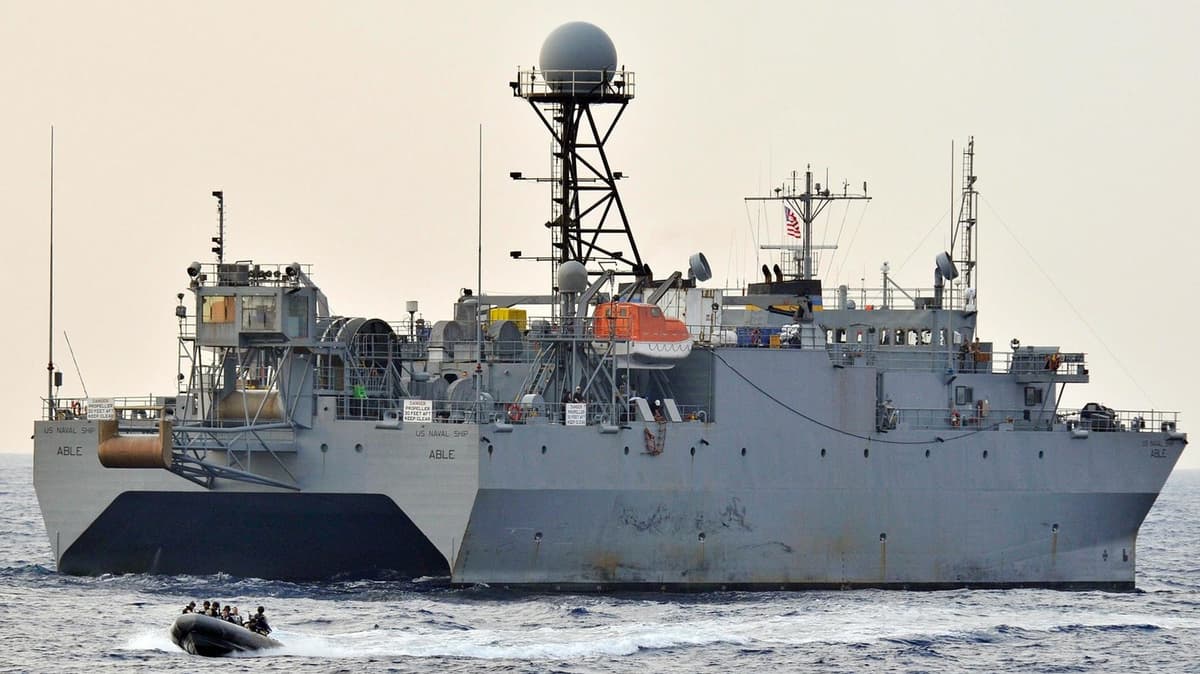
Protecting radar assets ensures reliable situational awareness and missile‑defense capability, directly affecting naval readiness and strategic deterrence. The shift toward modular radars reduces maintenance costs and enhances fleet flexibility.
Radomes have become a ubiquitous feature on modern naval vessels, aircraft, and even cruise ships. Their primary function is to protect delicate radar and communication equipment from corrosive salt spray, high winds, and extreme weather, while also obscuring the direction of the antennas from potential adversaries. Constructed from lightweight, weather‑resistant composites, these spherical enclosures maintain internal pressure to keep the hardware dry and functional, extending service life and reducing costly repairs.
The centerpiece of the U.S. Navy’s radar architecture is the Sea‑based X‑band (SBX) radome, a colossal 120‑foot‑diameter sphere perched on a self‑propelled platform. Integrated into the Ballistic Missile Defense System, the SBX can detect and classify missile launches across the globe, distinguishing real threats from debris at ranges up to 2,500 miles. Weighing roughly 18,000 pounds and standing 103 feet tall, its design draws on oil‑rig engineering, using a flexible synthetic skin and internal air pressure to withstand winds exceeding 130 mph. This capability provides a strategic “eyes‑in‑the‑sky” advantage, reinforcing the United States’ layered missile‑defense posture.
Advancements in radar technology are reshaping the need for traditional radomes. The SPY‑6 family employs modular radar assemblies—compact 2‑by‑2‑by‑2‑foot blocks that can be swapped or upgraded with minimal downtime. These units deliver 360‑degree coverage, higher resolution, and greater range, all while reducing the physical footprint and maintenance burden associated with large protective domes. As the Navy continues to modernize its fleet, the trend points toward integrated, low‑profile sensors that combine performance with stealth, signaling a shift from massive “golf balls” to sleek, adaptable radar solutions.
Radomes: The “Golf Balls” on Ships, Planes, and Even Cruise Vessels
Perhaps you've seen big white domes sitting atop naval warships, but never knew exactly what purpose they served. These are radomes, commonly called “golf balls,” and come in a variety of sizes depending on the equipment beneath them. Still, they all do the same thing — protect satellite dishes and other critical monitoring equipment from the elements. They're actually very common, and can be seen in a variety of scenarios—on aircraft, at airports, on top of telecommunications towers, on oceanic research vessels, and atop commercial cruise ships. They can even be found sitting in the middle of an otherwise desolate field, like those at the U.S. Space Force installation at Buckley Air Force Base in Aurora, Colorado.
These particular radomes are known locally as “Buckley Balls.” They're easily visible from nearby roads and freeways, so they're not being clandestine about them. Housed inside each golf ball are satellite dishes and other critical monitoring equipment used to, as base commander Colonel John Wagner told Channel 7 News in Denver, detect “all of the missiles launched on the planet.” These radomes protect the equipment inside from harsh winds, winter snow, damaging hail, and are sturdy enough to withstand an F5 tornado (wind speeds between 261 – 318 mph).
Radomes on Navy ships are usually smaller but do exactly the same thing—protect onboard radar dishes, communication antennas, and other electronics from the often extreme, destructive marine environment, where salt and wind can damage sensitive equipment. They also prevent prying eyes from identifying what suite of instruments any given ship is using and in which direction that equipment is pointing.
Then you have the truly massive Sea‑based X‑band Radar (SBX 1), the largest of its kind in the world. This radar is so big it needs its own self‑propelled platform to move around. It resembles an offshore oil rig because that's exactly what it once was. The SBX is part of the U.S. Ballistic Missile Defense System (BMDS) and is so sensitive that it can lock onto an object the size of a baseball from 2,500 miles away and tell if it’s real, fake, or simply debris.
Weighing 18,000 pounds, standing 103 feet high, with a diameter of 120 feet, the SBX’s golf ball is so big that it’s been referred to as the Death Star. Or, for a more up‑to‑date comparison — the Sphere in Las Vegas. This spherical radome shield, made from a flexible synthetic material, is held up by air pressure and designed to withstand wind speeds over 130 mph.
Significant advancements have been made since the 1940s, when the then‑new technology (Radio Direction And Ranging) changed the course of WWII. Radar now comes in different shapes and sizes, some of which don’t even need radomes. For instance, the SPY‑6 radars are built with individual 2′ × 2′ × 2′ “building blocks” called radar modular assemblies (RMA). Each of the four variants is used for a different class of ship and for slightly different purposes, but all are capable of providing constant, 360‑degree situational awareness. They’re more sensitive, have a greater range, and are far more accurate than legacy radar. Additionally, RMAs are easier to maintain and have far less downtime.
Comments
Want to join the conversation?
Loading comments...