Companies Mentioned
Why It Matters
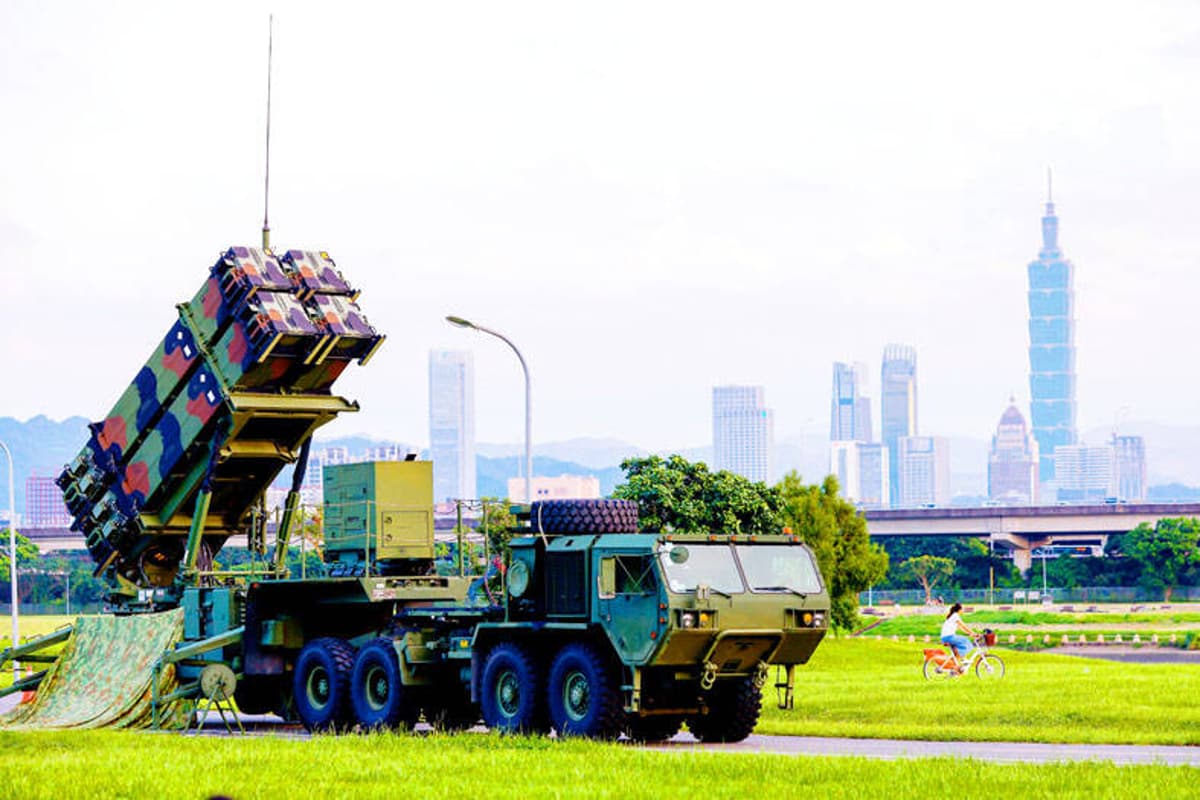
Approving the sale would boost Taiwan’s air‑defense posture and reaffirm US commitment to regional security, while testing the balance between ally support and limited weapons inventories.
Key Takeaways
- •$8.6 billion Patriot interceptors and battle command system dominate deal
- •Total package valued at $14 billion, over half for air defense
- •Senate pressure urges Trump to approve Taiwan sale amid China tensions
- •Pentagon cites sufficient stockpiles despite Middle East war concerns
- •Taiwan's new defense budget can fund the proposed weapons purchase
Pulse Analysis
The United States is finalizing one of the largest foreign‑military sales in recent memory, a $14 billion package aimed at strengthening Taiwan’s defensive capabilities. At its core are Patriot surface‑to‑air missiles and Northrop Grumman’s Integrated Battle Command System, together worth roughly $8.6 billion, complemented by counter‑drone systems, NASAMS projectile stockpiles, and standard‑issue M4A1 rifles. This arms bundle arrives at a volatile moment, as President Trump’s recent Beijing visit placed Taiwan front‑and‑center in US‑China diplomatic talks, prompting Beijing to issue stern warnings about any perceived escalation.
Domestically, the proposal has ignited bipartisan debate. Senate leaders, backed by defense‑focused committees, have formally urged the president to move forward, citing Taiwan’s newly approved special defense budget that can absorb the cost. Meanwhile, senior Pentagon officials, including Secretary of Defense Pete Hegseth, argue that the United States maintains robust global munitions reserves despite ongoing operations in the Middle East. This reassurance seeks to allay concerns that diverting high‑value interceptors to Taiwan could strain supply chains already stretched by conflicts in the region.
If approved, the sale would not only enhance Taiwan’s air‑defense network against potential aggression but also serve as a strategic signal to allies and adversaries alike. It underscores Washington’s willingness to back a democratic partner in the Indo‑Pacific while navigating the delicate balance of deterring Chinese coercion without provoking outright confrontation. For defense contractors, the deal represents a significant revenue boost and may catalyze further investment in advanced missile technologies, reinforcing the United States’ role as a premier supplier of high‑end military hardware.
Sources describe US arms package
Comments
Want to join the conversation?
Loading comments...