South Korea Cautious on Blaming Iran for Ship Strike Ahead of US-China Summit
Companies Mentioned
Why It Matters
The decision will shape Seoul’s alignment with U.S. maritime coalitions and affect regional security dynamics in the Strait of Hormuz, a critical oil transit route.
Key Takeaways
- •South Korea delays attribution to Iran until after US‑China summit
- •Surveillance footage shows two airborne objects hit the vessel, origin unknown
- •US urges Seoul to join Maritime Freedom Construct, raising diplomatic pressure
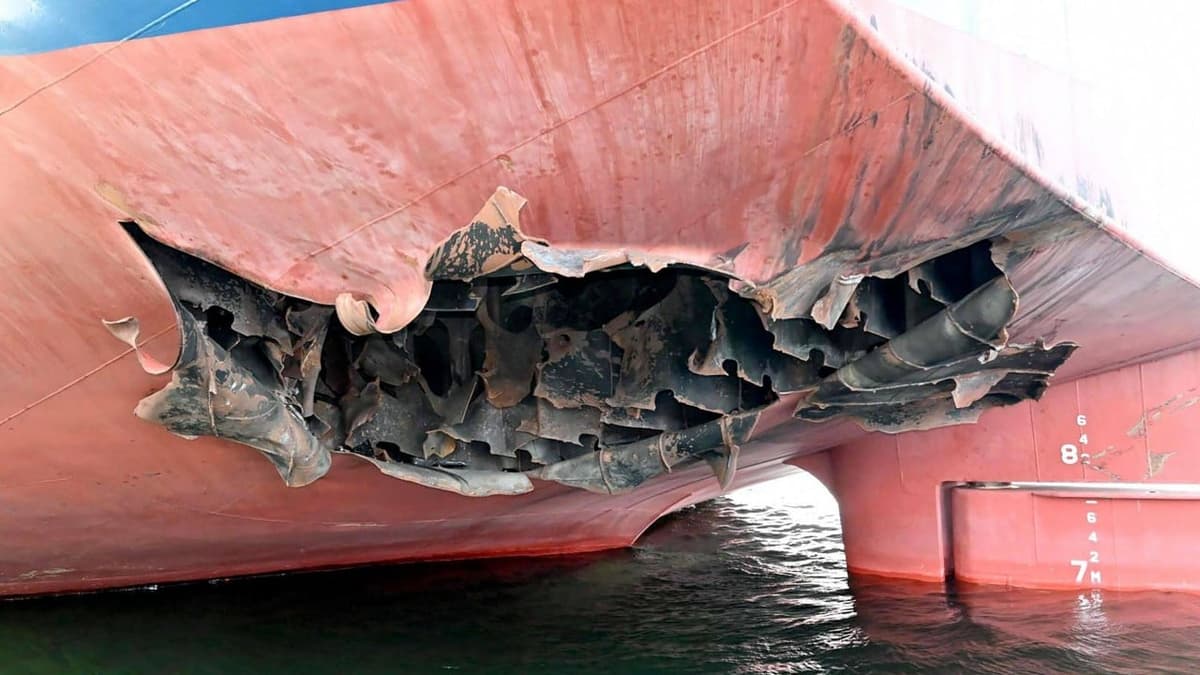
- •Damage pattern points to drone or small projectile, not a missile
- •Over 40 countries to meet online on Strait of Hormuz security
Pulse Analysis
The HMM Namu incident underscores how a single maritime event can ripple through geopolitics. While the South Korean government possesses surveillance video of the two airborne objects that struck the bulk carrier, it has stopped short of naming Iran as the culprit. This cautious stance reflects a broader diplomatic calculus: Seoul must balance its economic interests in the Strait of Hormuz with mounting U.S. expectations for a coordinated response, especially as Washington pushes the Maritime Freedom Construct to safeguard global shipping lanes.
Analysts point to the vessel’s five‑metre hull breach and the lack of a classic circular missile imprint as clues that a drone or a small projectile caused the damage. Such weapons are harder to trace and raise questions about the evolving tactics of regional actors, including Iran’s Islamic Revolutionary Guard Corps. The ambiguity allows South Korea to keep diplomatic channels with Tehran open while preparing a measured protest that aligns with the responses of other affected nations, such as Thailand, India and China.
The timing of the incident, just days before the U.S.-China summit in Beijing, adds another layer of strategic tension. Both superpowers are watching how regional allies navigate the crisis, as any premature attribution could force Seoul into a deeper security partnership with the United States. Meanwhile, a multinational defence‑ministerial meeting involving more than 40 countries signals a collective push to restore safe passage through the Hormuz corridor, highlighting the global stakes of a seemingly localized attack.
South Korea cautious on blaming Iran for ship strike ahead of US-China summit
Comments
Want to join the conversation?
Loading comments...