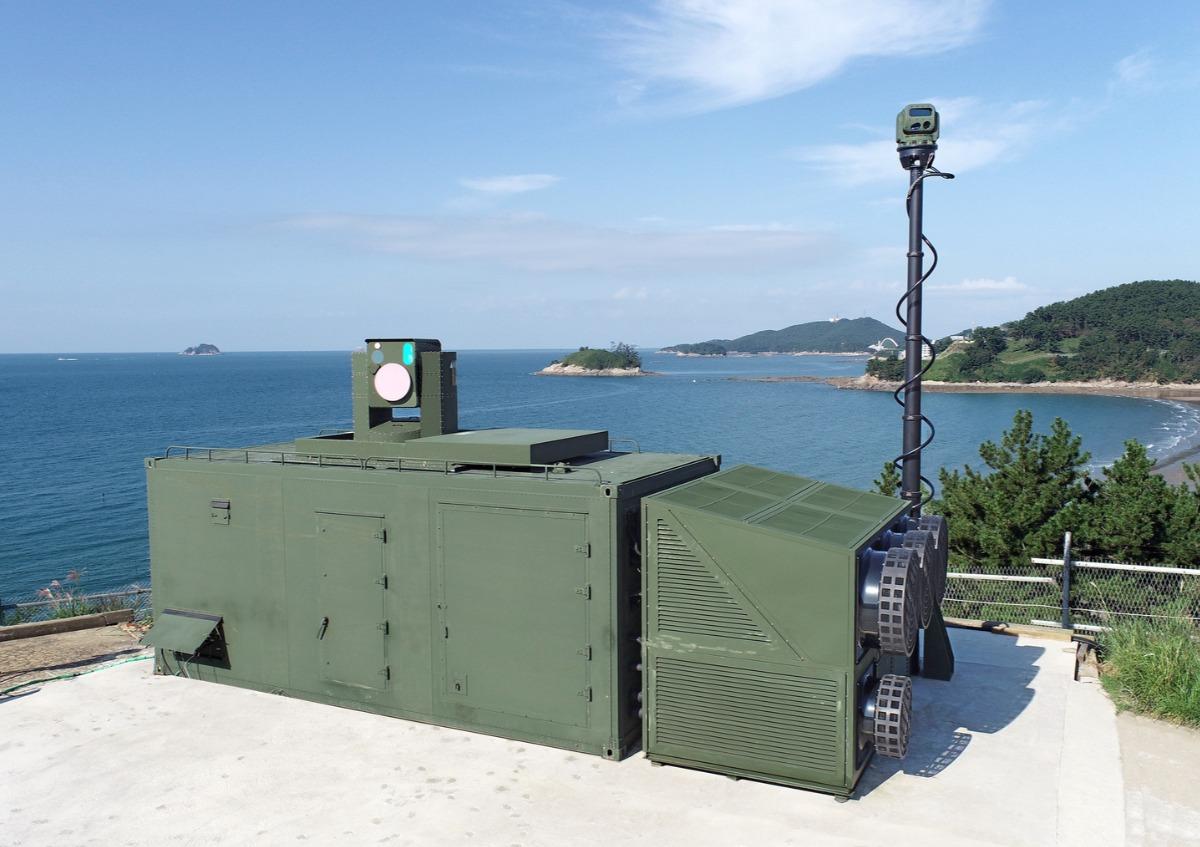
South Korea Joins Elite Club of Nations that Can Build Laser Weapon
Companies Mentioned
Why It Matters
The domestically built oscillator gives South Korea a sovereign, rapid, low‑cost counter‑drone capability, reducing reliance on foreign suppliers and strengthening deterrence against North Korean aerial threats. It also signals a broader shift toward operational directed‑energy weapons worldwide.
Key Takeaways
- •South Korea now produces high‑energy laser oscillators domestically.
- •Domestic oscillator raises Cheongwang content to 90% and halves intercept time.
- •$1.50 per shot laser beats costly missile intercepts for small drones.
- •Enables independent defense against North Korean drone incursions.
- •Paves way for mobile, vehicle‑mounted directed‑energy systems.
Pulse Analysis
Directed‑energy weapons have moved from laboratory prototypes to battlefield tools, but only a handful of nations can manufacture the core laser oscillator that determines performance. South Korea’s Defense Acquisition Program Administration announced in June 2026 that its Agency for Defense Development, together with Hanwha Aerospace, has delivered a domestically built oscillator for the Cheongwang Block I system. The new component lifts local content from 76 % to roughly 90 % and boosts output by more than 50 %, cutting drone‑intercept times in half. This achievement places Seoul alongside the United States, Israel, China and Germany as an independent producer of high‑energy laser hardware.
The upgrade matters most on the Korean Peninsula, where cheap, low‑cost drones have become a recurring nuisance for Pyongyang’s provocations. A $1.50 per‑shot laser offers a fraction of the cost of a missile, allowing the Republic of Korea to neutralize swarms without draining defense budgets. By eliminating reliance on imported oscillators, Seoul also sidesteps potential export controls or supply disruptions that could arise during heightened tensions. The faster 1‑2‑second engagement window improves protection of critical sites such as the Presidential Office and forward‑deployed bases.
Looking ahead, DAPA plans a Block II Cheongwang with higher power, tighter precision and a lighter footprint, targeting mobile and vehicle‑mounted configurations. If successful, South Korea could field the world’s first operational, transportable directed‑energy counter‑drone system, opening new export opportunities for Hanwha and its partners. The move also signals to allies and rivals that indigenous laser capability is no longer a niche advantage but a strategic necessity, likely accelerating similar programs in Japan, Europe and the United States as the race for affordable, sovereign air‑defense solutions intensifies.
South Korea joins elite club of nations that can build laser weapon
Comments
Want to join the conversation?
Loading comments...