South Korea-US Tensions Flare over ‘Intelligence Leak’ Claims, Pyongyang Policy
Why It Matters
The intelligence curtailment hampers Seoul’s ability to monitor Pyongyang’s nuclear program, risking misaligned policy decisions. It also exposes fissures within the U.S.–South Korea security partnership at a time of heightened regional tension.
Key Takeaways
- •US cuts intelligence flow to Seoul by 50‑100 pages daily
- •Chung Dong‑young first official to name Kusong uranium site
- •US protest triggers intra‑Korean policy faction clash
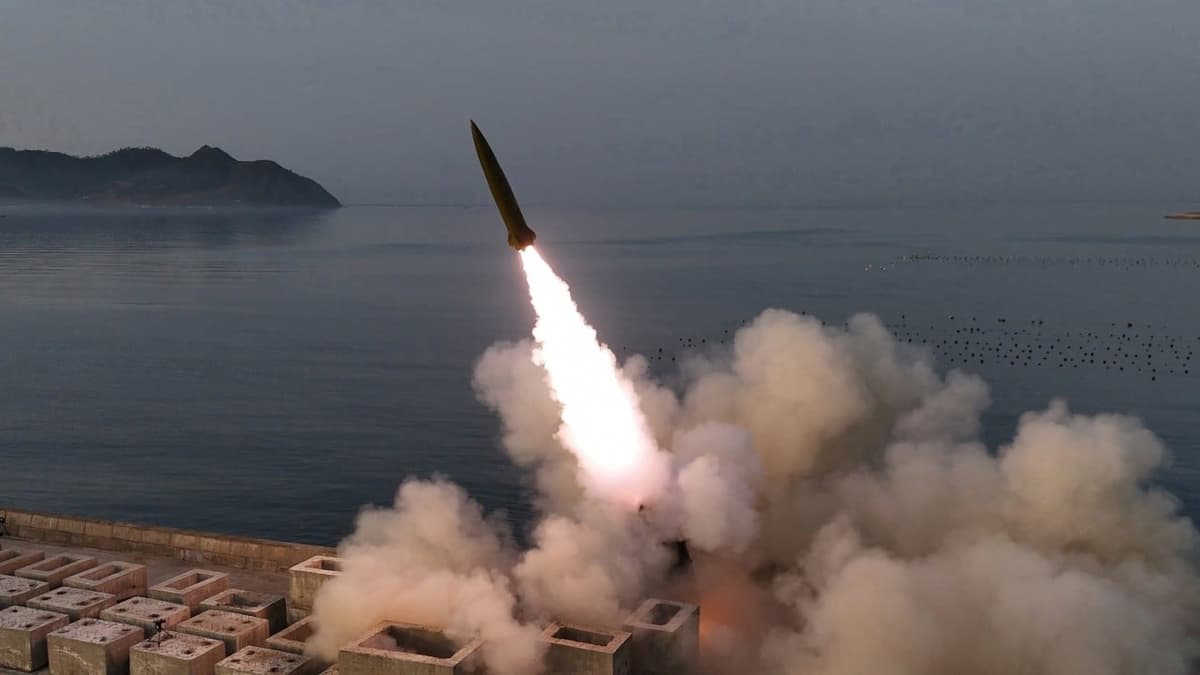
- •North Korea tests cluster munitions, hits 136 km range
- •US‑South Korea intelligence trust gap widens amid diplomatic dispute
Pulse Analysis
The latest diplomatic spat underscores how fragile the U.S.–South Korea intelligence pipeline has become. After Chung Dong‑young referenced the Kusong facility—long discussed in open‑source analyses but never officially named by a Seoul minister—the United States reacted by scaling back daily intelligence shipments by roughly 50 to 100 pages. Such a reduction, while numerically modest, deprives South Korean analysts of timely satellite imagery, signal intercepts, and human‑source reports that are critical for tracking North Korea’s clandestine nuclear activities. The move signals Washington’s low tolerance for perceived leaks, even when the information is already in the public domain.
Domestically, the incident fuels an existing power struggle between two South Korean foreign‑policy camps. Chung, aligned with the “Jajupa” faction that favors greater autonomy in dealing with Pyongyang, has been vocal about expanding inter‑Korean dialogue and asserting sovereignty over parts of the DMZ. In contrast, the “Dongmaengpa” camp, represented by senior security adviser Wi Sung‑lac, stresses tight coordination with Washington. The intelligence cut not only strains bilateral trust but also deepens internal debates over how aggressively Seoul should pursue independent engagement with the North.
The broader security environment adds urgency to the dispute. North Korea’s recent ballistic‑missile launch, featuring cluster munitions and achieving a 136 km strike, demonstrates advancing strike precision and payload diversity. Such developments heighten the stakes for accurate intelligence sharing, as missteps could embolden Pyongyang or provoke miscalculations by regional actors. The episode thus serves as a cautionary tale: without a robust, mutually trusted intelligence framework, both allies risk losing strategic coherence at a time when the Korean Peninsula remains one of the world’s most volatile flashpoints.
South Korea-US tensions flare over ‘intelligence leak’ claims, Pyongyang policy
Comments
Want to join the conversation?
Loading comments...