Southeast Asia Holds the Key to Unlocking Korean Impasse
Why It Matters
The involvement of ASEAN middle powers offers a pragmatic alternative to great‑power bargaining, potentially unlocking incremental peace steps and expanding regional economic influence.
Key Takeaways
- •Vietnam, Indonesia, Laos act as mediators between North and South Korea
- •Vietnam’s “bamboo diplomacy” links Seoul and Pyongyang in one trip
- •Indonesia restored its Pyongyang embassy, enabling back‑channel talks
- •Laos used ASEAN chairmanship to keep North Korea engaged regionally
- •South Korean firms in Vietnam and defense ties with Indonesia deepen links
Pulse Analysis
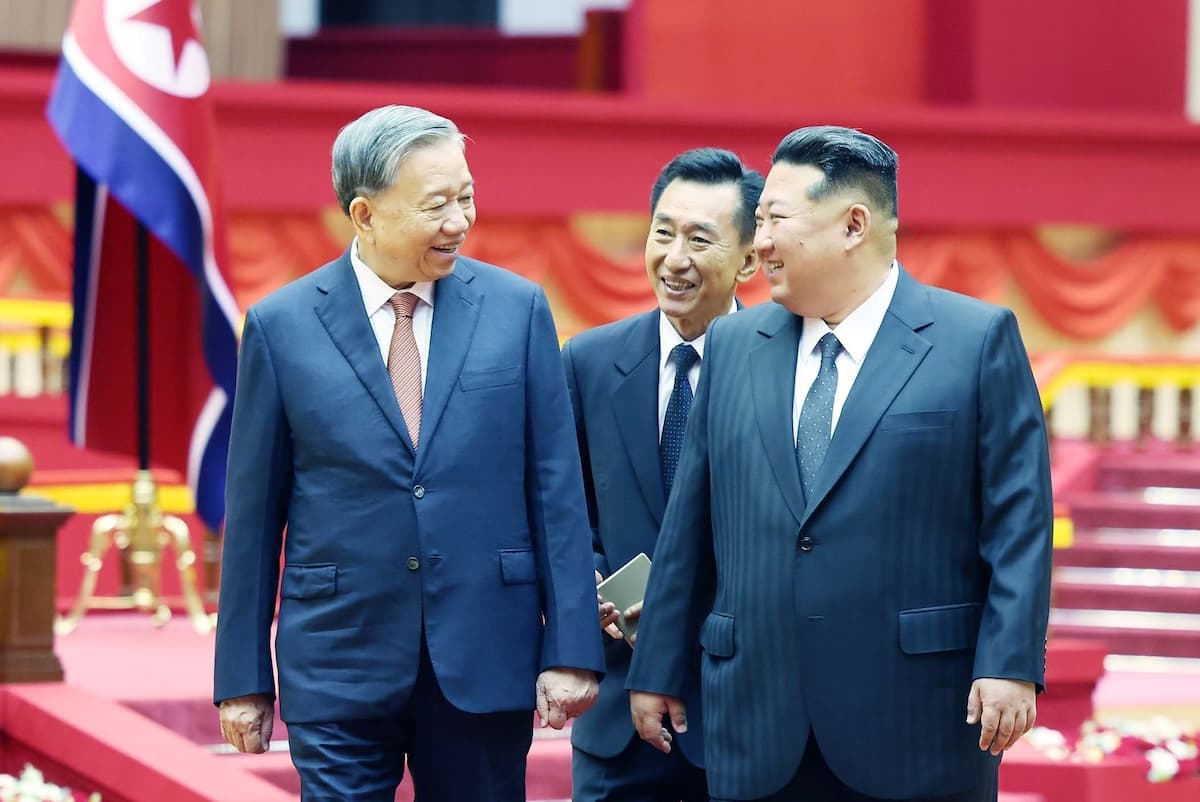
The diplomatic deadlock on the Korean Peninsula has persisted despite Seoul’s recent overtures, nudging regional actors to fill the vacuum. In Southeast Asia, Vietnam’s long‑standing rapport with Pyongyang—exemplified by General Secretary To Lam’s dual visits to Seoul and Pyongyang—embodies what analysts call “bamboo diplomacy,” a strategy that remains rooted in socialist solidarity while flexibly engaging both Koreas. Laos, as the 2024 ASEAN chair, has kept North Korea on the regional agenda through high‑level meetings, while Indonesia’s decision to reopen its embassy after a five‑year hiatus reestablished a vital back‑channel for informal negotiations.
Beyond political signaling, these middle powers are weaving economic threads that bind the three Koreas to broader markets. Vietnam’s rapid post‑war industrialisation offers Pyongyang a development template that sidesteps Western conditionality, while joint agricultural projects introduce high‑yield organic farming techniques. Indonesia’s “bebas‑aktif” foreign policy leverages its new BRICS membership to channel civilian‑sector investments into North Korea, focusing on tourism and agribusiness—areas permissible under sanctions. Meanwhile, Laos’s New Economic Mechanism provides a blueprint for controlled market liberalisation that could sustain regime stability while attracting foreign capital.
The strategic calculus for the United States and China is shifting as ASEAN middle powers gain diplomatic capital. By positioning themselves as neutral interlocutors, Vietnam, Indonesia and Laos reduce the reliance on great‑power leverage, potentially easing the nuclear standoff through incremental confidence‑building measures such as a nuclear freeze. For South Korean corporations, the deepening ties—over 10,000 firms in Vietnam and defense collaborations with Indonesia—translate into new supply‑chain opportunities and a broader platform for regional peace initiatives. If these pragmatic engagements mature, they could reshape the security architecture of Northeast Asia, offering a multilateral pathway toward lasting stability on the peninsula.
Southeast Asia holds the key to unlocking Korean impasse
Comments
Want to join the conversation?
Loading comments...