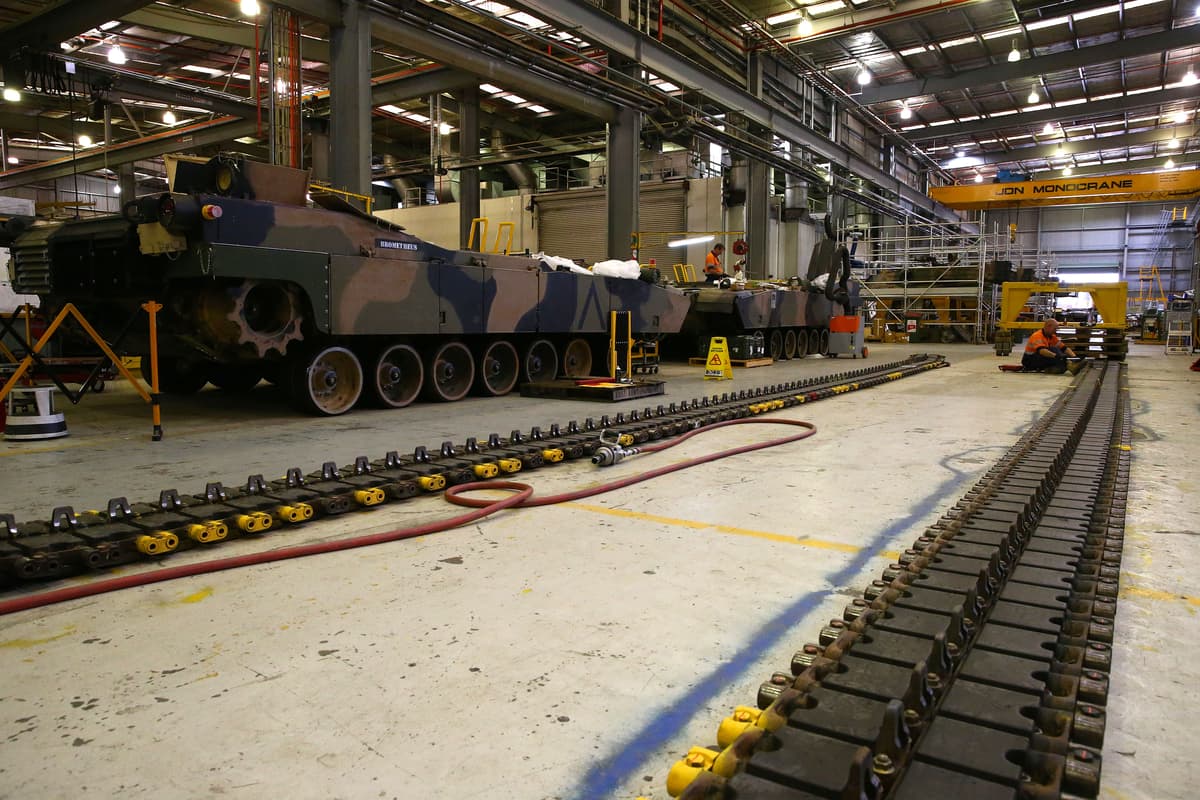
Sovereign Survivability and Shared Resilience: Placing Logistics at the Centre of New Strategy
Key Takeaways
- •Logistics now defines combat power, not just support
- •Supply chain shocks expose reliance on overseas fuel and munitions
- •Alliances can provide shared industrial capacity and stockpiles
- •Sustainment must be the first question in force design
- •Digital tools enable predictive maintenance but need resilient logistics
Pulse Analysis
The past decade has turned logistics from a technical afterthought into a strategic linchpin. Natural disasters, COVID‑19, and the Ukraine war revealed how tightly modern militaries depend on global fuel, munitions and component flows. When a single sea‑lane or refinery falters, the ripple effects hit civilian energy bills and military readiness alike, forcing policymakers to confront logistics as a national security priority rather than a niche specialty. This new reality compels defence leaders to ask early: what can a force sustain, where, and for how long?
For Australia, the lesson is stark: a modest share of defence fuel consumption masks a broader dependence on imported crude, overseas refining and complex transport networks. Building domestic refining capacity or stockpiling critical commodities can reduce vulnerability, but the costs are prohibitive for any single nation. Instead, the country can harness alliance structures—joint production lines with South Korea, shared missile‑stockpiles, and Indo‑Pacific logistics hubs—to achieve economies of scale and redundancy. Such cooperative frameworks turn shared industrial capacity into a strategic asset, spreading risk across partners while preserving sovereign survivability.
Looking ahead, digital transformation offers a path to more resilient sustainment. Predictive maintenance, digital twins and networked sensor data can extend platform availability, but they also deepen reliance on secure data pipelines and rapid parts delivery. Embedding sustainment at the start of force planning, investing in flexible domestic manufacturing, and institutionalising cross‑allied logistics agreements will enable armed forces to maintain tempo over protracted conflicts. Policymakers who internalise these shifts will not only safeguard combat power but also reinforce broader economic stability, turning logistics from a hidden weakness into a decisive advantage.
Sovereign survivability and shared resilience: placing logistics at the centre of new strategy
Comments
Want to join the conversation?