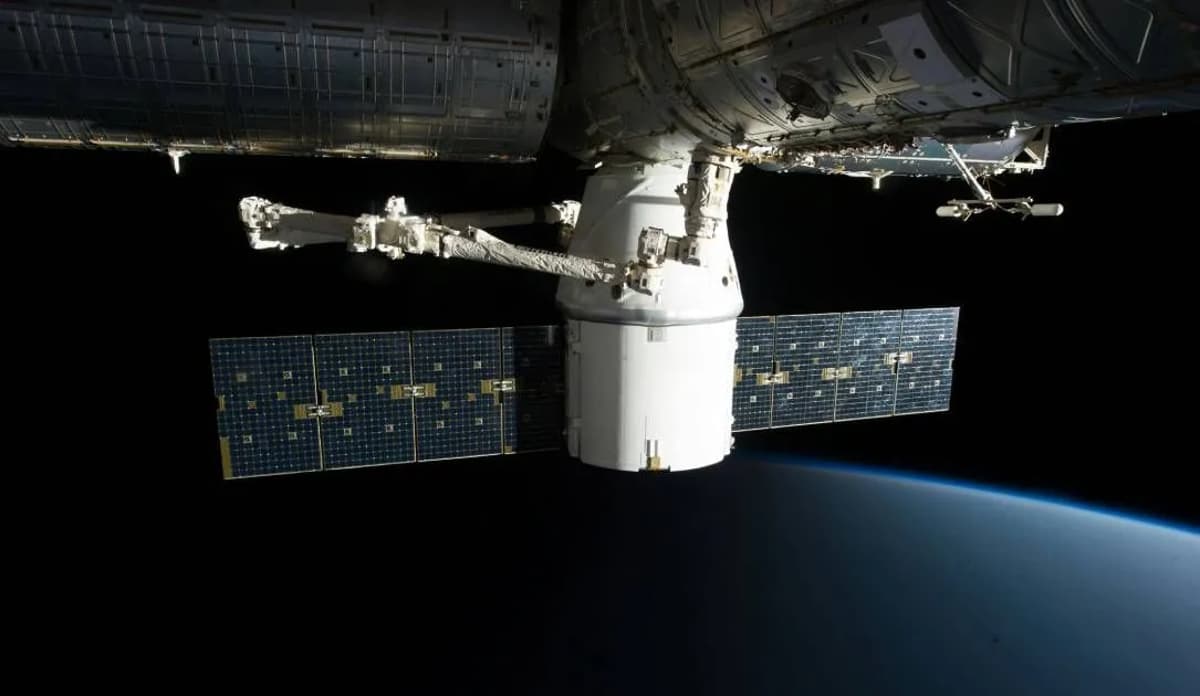
Space Emerges as New Front in Great Power Competition, Officials Warn
•February 13, 2026
0
Why It Matters
Disrupting satellite or cable networks could cripple critical civil‑military functions, making space resilience a national security priority for democracies.
Key Takeaways
- •Space now central arena of great‑power rivalry
- •Subsea cable cuts could cripple global communications
- •Rivada plans 600‑satellite “outernet” independent of ground links
- •Existing constellations like Starlink still rely on terrestrial infrastructure
- •Diplomatic hotlines lack for China, raising mis‑calculation risk
Pulse Analysis
The rapid militarization of low‑Earth orbit reflects a broader geopolitical shift. Once envisioned as a shared scientific frontier, space now hosts dense constellations that power everything from GPS‑based finance to missile‑warning sensors. As nations scramble to outpace rivals, the orbital environment has become a high‑stakes arena where a single disrupted satellite can ripple through economies and defense postures alike. This new reality forces policymakers to treat space as a strategic asset rather than a peripheral utility.
Undersea cables, the hidden arteries of the internet, present a glaring weakness that adversaries could exploit with relatively modest resources. Rivada Space Networks’ "outernet" concept seeks to sidestep this vulnerability by deploying a 600‑satellite mesh capable of maintaining communications even if terrestrial gateways are destroyed. Unlike Starlink, which ultimately routes traffic through ground stations and submarine links, the outernet would keep data in space, buying critical minutes or hours for response and recovery. The proposal underscores a growing consensus: resilience must be built into the architecture, not bolted on after a breach.
Policy lag is another acute challenge. While the United States maintains crisis hotlines with Russia for space incidents, no comparable channel exists with China, heightening the danger of misinterpretation during tense maneuvers. Developing robust norms, shared situational awareness, and investment in autonomous satellite networks will be essential to prevent escalation. As the cost and time to launch resilient constellations remain high, governments and industry must coordinate to ensure the digital nervous system of modern life endures under attack, securing both economic stability and national security.
Space emerges as new front in great power competition, officials warn
0
Comments
Want to join the conversation?
Loading comments...