Space Force Wraps Decades-Long GPS Upgrade—And the Next One Is on Tap
Companies Mentioned
Why It Matters
Completing GPS III ensures critical navigation and timing for both civilian infrastructure and military operations, while the upcoming GPS IIIF will dramatically boost resilience against jamming threats. The shift in ground‑system strategy highlights the Space Force’s focus on cost‑effective, agile modernization.
Key Takeaways
- •SV-10 launch completed GPS III constellation with 31 operational satellites
- •GPS III signals are three times more accurate, eight times jam‑proof
- •Space Force introduced Rapid Response Trailblazer, cutting launch prep to four months
- •OCX ground‑system program cancelled after $6.3 billion overruns, AEP upgrades continue
- •GPS IIIF satellites slated for May 2027, promising 60× anti‑jam capability
Pulse Analysis
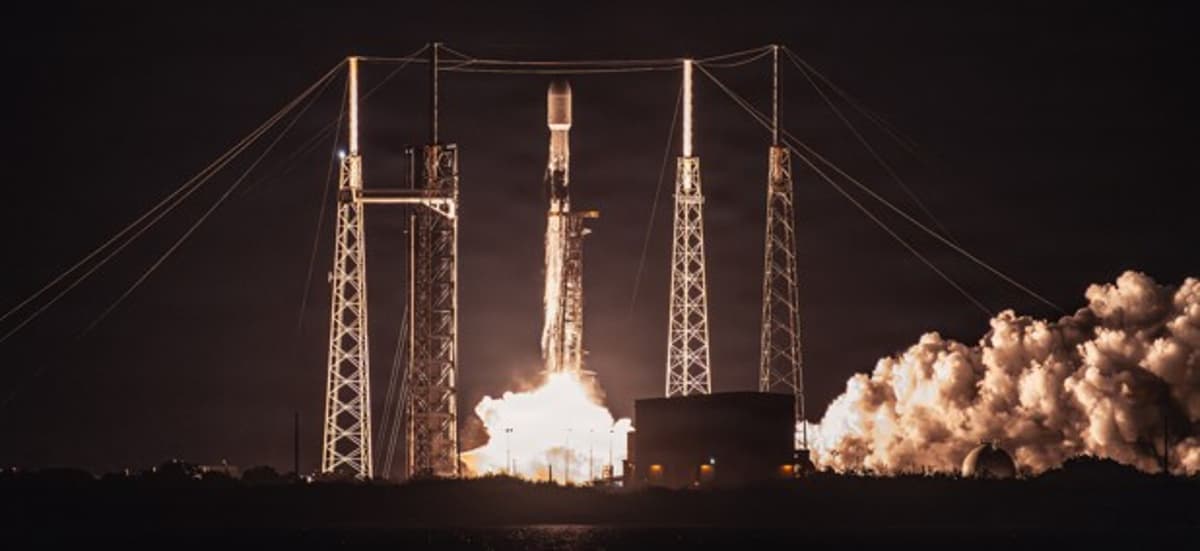
The Global Positioning System remains the backbone of modern navigation, finance and defense, and the Space Force’s final GPS III launch marks a pivotal milestone. SV‑10, nicknamed “Hedy Lamarr,” adds to a 31‑satellite constellation that offers unprecedented positional precision and robust anti‑jamming features. This upgrade translates into tighter routing for delivery services, more reliable timing for banking ATMs, and enhanced targeting for troops operating in contested environments. By finalizing the GPS III rollout, the United States secures a strategic advantage in both commercial and military domains, reinforcing its leadership in space‑based navigation.
Behind the scenes, the mission highlighted the Space Force’s growing emphasis on agility and risk tolerance. After a solid‑rocket anomaly forced a pause on United Launch Alliance’s Vulcan, the service swiftly transitioned the SV‑10 mission to SpaceX’s Falcon 9, demonstrating flexibility in launch provider selection. The newly adopted Rapid Response Trailblazer protocol shaved two months off the typical six‑month processing timeline, setting a new benchmark for future deployments. This operational nimbleness is crucial as the demand for resilient satellite services accelerates, and it underscores the importance of maintaining a steady launch cadence akin to routine vehicle maintenance.
Looking ahead, the focus shifts to GPS IIIF, slated for a May 2027 launch, which promises over 60‑times greater anti‑jamming capability and regional military protection for allied forces. Concurrently, the cancellation of the $6.3 billion OCX ground‑system program signals a strategic pivot toward incremental upgrades of the existing AEP infrastructure, ensuring continuity while avoiding costly delays. With a projected budget of nearly $6 billion for 2027 space launches, the Space Force is positioning itself to sustain and expand its navigation assets, delivering reliable, secure timing and positioning services that underpin the nation’s economic and security interests.
Space Force wraps decades-long GPS upgrade—and the next one is on tap
Comments
Want to join the conversation?
Loading comments...