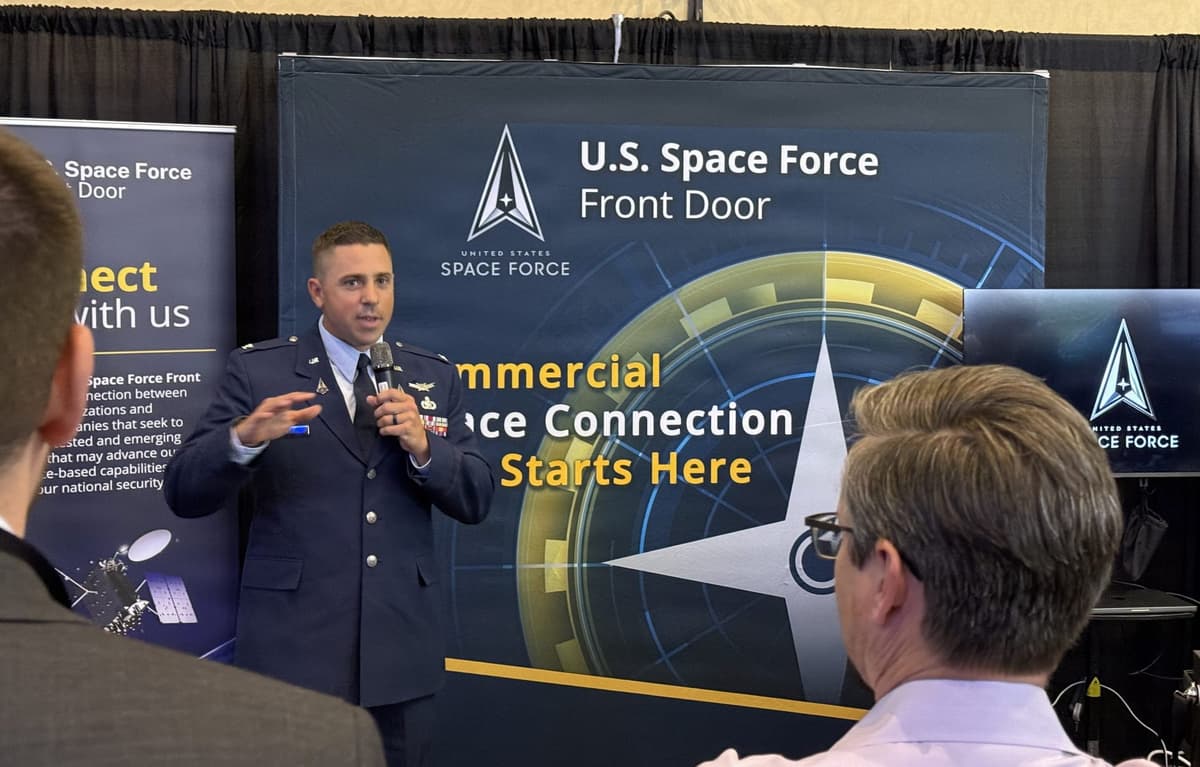
Space Force’s Commercial Gatekeeper Offers a Playbook for Startups Seeking Defense Business
Why It Matters
Trimailo’s playbook highlights why many innovative space firms struggle to secure defense contracts, underscoring the need for mission‑focused narratives and honest engagement to unlock a growing federal market. Mastering this approach can accelerate funding, scale technology, and sustain commercial viability.
Key Takeaways
- •Space Force seeks capability, not individual components.
- •Startups must articulate mission relevance and “why” for warfighter.
- •Transparency on failures builds trust with government buyers.
- •No hidden funding; understand Pentagon budgeting and acquisition process.
- •Maintain commercial market focus while engaging government contracts.
Pulse Analysis
Venture capital has flooded the defense‑space ecosystem, but converting cutting‑edge prototypes into Pentagon contracts remains a bottleneck. The Space Force’s commercial office, led by Col. Tim Trimailo, is trying to bridge that gap by teaching startups to speak the language of the warfighter. Rather than showcasing isolated hardware, firms must demonstrate how their technology integrates into a broader operational capability. This shift mirrors a broader Department of Defense trend that prizes system‑of‑systems thinking over component sales, forcing innovators to reframe their value propositions.
Trimailo’s guidance stresses three pillars: a compelling "why" narrative, radical transparency, and realistic funding expectations. Startups should open up about performance shortfalls, offering remediation plans that build credibility. Simultaneously, they must avoid the myth of secret procurement pots; understanding the Pentagon’s budget cycles, requirement generation, and acquisition offices is essential. By asking the right questions and maintaining persistent engagement, companies can navigate the notoriously long timelines and shifting priorities that characterize defense procurement.
The most successful space ventures are those that straddle both worlds—leveraging Small Business Innovation Research awards to attract venture capital, then using that private backing to secure larger contracts such as TACFI or STRATFI. This dual‑use strategy preserves commercial market relevance while satisfying government needs, reducing development risk for both parties. As the Space Force continues to prioritize commercially viable solutions, startups that keep a foot in the private sector will likely enjoy faster growth, diversified revenue streams, and a stronger position in the evolving national security marketplace.
Space Force’s commercial gatekeeper offers a playbook for startups seeking defense business
Comments
Want to join the conversation?
Loading comments...