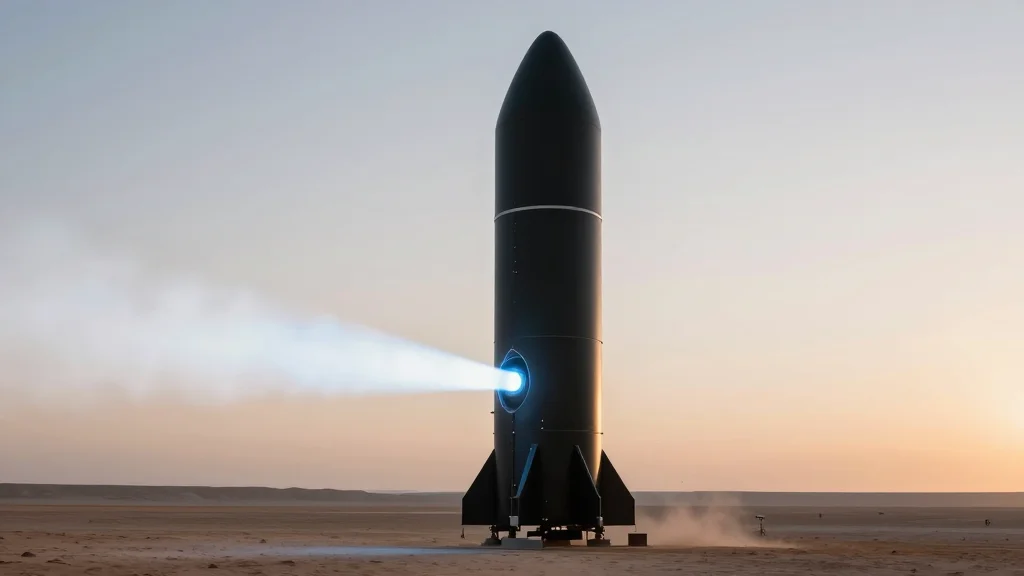
‘Space Gun’ Startup Hopes to Offer U.S. Military an Affordable Way to Test Hypersonic Weapons
Why It Matters
The launcher promises a dramatically cheaper, reusable hypersonic testbed, giving the U.S. defense sector rapid access to high‑speed testing without the expense of full‑scale rockets.
Key Takeaways
- •Longshot built 15 cm × 23 m prototype, fired >100 times, Mach 4
- •Upcoming September tests will use hydrogen, targeting Mach 5‑7
- •Aim to launch 2 kg payloads 10 m, then scale to 100 kg
- •Air Force awarded $1.9 M; launch cost projected $250k each
- •Launcher could provide low‑cost hypersonic testbed between rockets and artillery
Pulse Analysis
The push for affordable hypersonic testing has intensified as the Pentagon seeks faster development cycles for next‑generation weapons. Traditional rocket‑based test platforms are costly and have long turnaround times, limiting the number of experiments that can be run. Longshot’s light‑gas gun concept—essentially a massive, multi‑stage pneumatic cannon—offers a middle ground, delivering extreme velocities while keeping structural loads manageable for delicate payloads. By leveraging multiple gas injections, the system smooths acceleration, a key advantage over single‑pulse artillery that can damage sensitive components.
Longshot’s upcoming September trials mark a critical step toward operational capability. Switching from inert gases to hydrogen not only boosts specific impulse but also mirrors the propellant environment of many hypersonic engines, providing more realistic test conditions. The company plans 12‑20 firings of its smallest launcher in the Mojave Desert, targeting Mach 5‑7 and payloads up to 2 kg over a 10‑meter flight path. At an estimated $250,000 per launch, the cost is a fraction of conventional rocket tests, and the Air Force’s $1.9 million seed funding underscores institutional interest in a reusable, weekly‑rate testbed.
If Longshot can scale its design to the projected 500‑meter, 74‑centimeter launcher capable of firing 100 kg payloads, it could reshape the hypersonic testing market. A low‑cost, high‑frequency platform would enable rapid iteration of scramjet components, thermal protection systems, and guidance algorithms, accelerating the field’s maturation. Moreover, the technology could attract commercial users seeking affordable high‑speed testing for aerospace, materials, and even space‑launch sub‑systems, positioning the "space gun" as a complementary asset to rockets rather than a replacement.
‘Space gun’ startup hopes to offer U.S. military an affordable way to test hypersonic weapons
Comments
Want to join the conversation?
Loading comments...