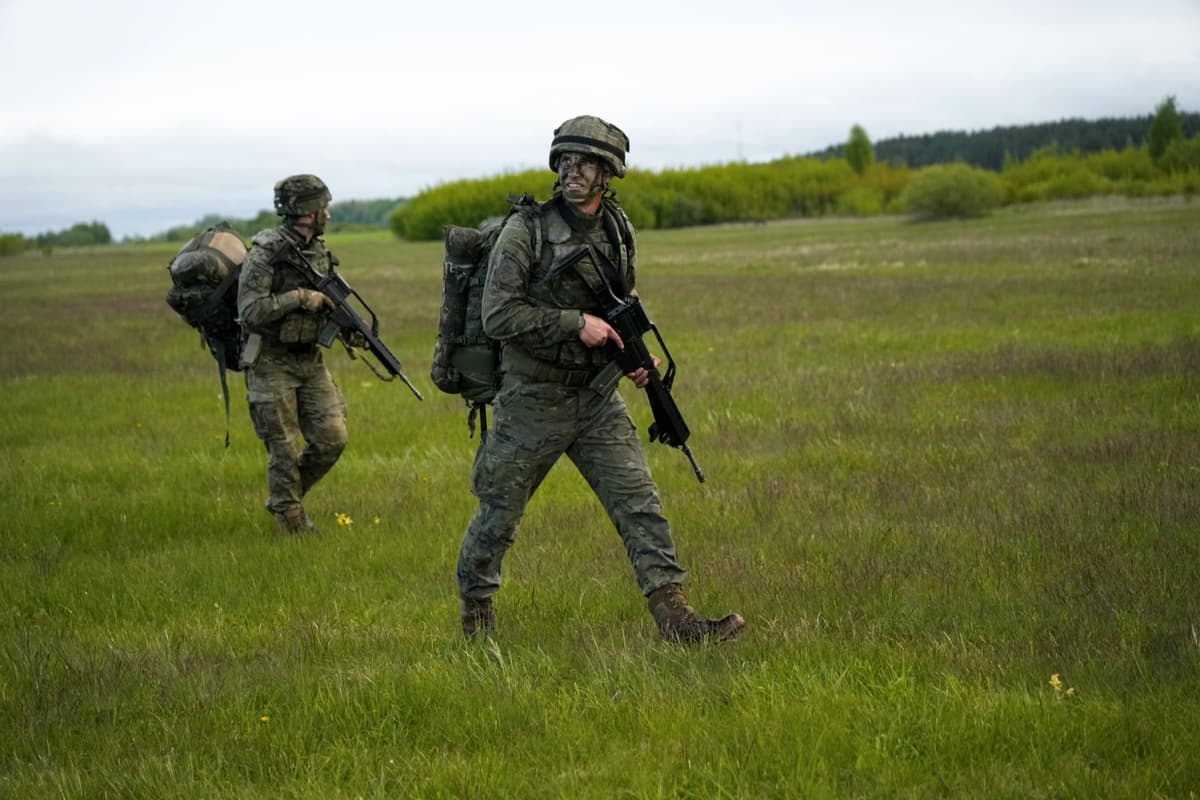
Spain Calls for Creation of EU Army Amid US Unreliability
Why It Matters
An EU army would reshape transatlantic defence dynamics and create a sizable new market for European defence firms, while lessening Europe’s vulnerability to U.S. policy swings. It also signals deeper integration of EU member states’ security and industrial bases.
Key Takeaways
- •Spain urges EU to form a joint army for strategic autonomy
- •EU defense budget targets $943 billion by 2030
- •US digital services dependence fuels calls for European sovereignty
- •Ukraine and Iran wars raise political appetite for EU army
- •NATO members' spending gaps push EU toward collective capability boost
Pulse Analysis
The call for a European Union army marks a watershed moment in the continent’s security architecture. While proposals for a joint force date back to the 1950s, the recent Russian invasion of Ukraine and the escalation in Iran have shifted public opinion and political will. Spain’s vocal stance underscores a growing consensus that Europe must develop a credible, autonomous deterrent, reducing reliance on ad‑hoc NATO deployments and the unpredictable foreign policy of the United States.
Financially, the EU’s commitment to spend about $943 billion on defence by 2030 provides the fiscal backbone for such an initiative. This budget surge, driven by the European Defence Fund and national contributions, will fund joint procurement, research, and the integration of command structures. At the same time, European firms remain heavily dependent on U.S. cloud services, semiconductors, and software platforms, giving Washington leverage that many policymakers view as a strategic vulnerability. By consolidating defence spending, the EU can invest in home‑grown technologies, fostering a more resilient digital ecosystem.
Strategically, an EU army could alter NATO’s internal dynamics, prompting a re‑balancing of burden‑sharing and potentially easing the U.S. pressure for higher European defence contributions. Defence contractors across Europe stand to benefit from larger, coordinated contracts, while smaller nations may gain access to capabilities previously out of reach. However, the initiative will require navigating divergent national interests, legal frameworks, and procurement cultures. If successful, it could cement Europe’s role as a more independent security actor and reshape the global defence market.
Spain calls for creation of EU army amid US unreliability
Comments
Want to join the conversation?
Loading comments...