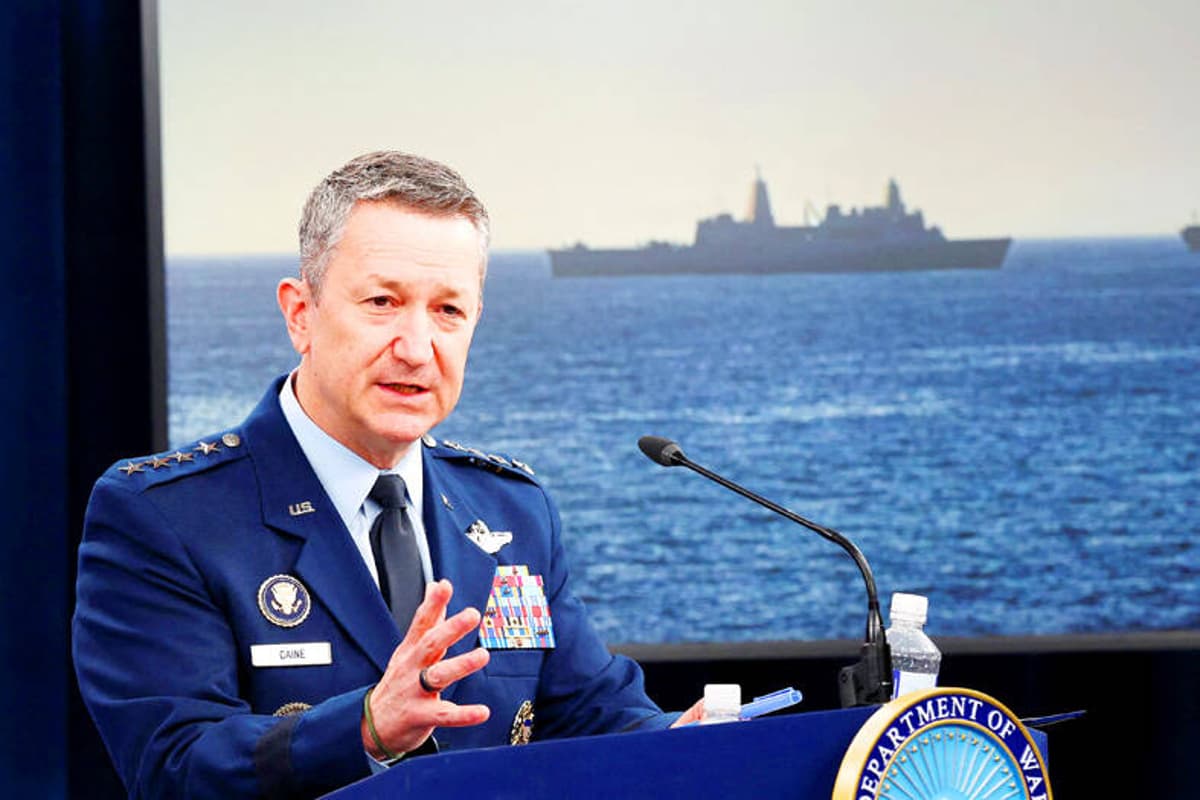
Standoff with Iran Intensifies After Trump’s ‘Kill’ Order
Why It Matters
The order threatens to disrupt global oil flows through Hormuz, potentially spiking energy prices and destabilizing markets. It also signals a hardening U.S. posture that could draw regional powers into a wider confrontation.
Key Takeaways
- •Trump ordered Navy to shoot any small boat in Hormuz.
- •Iran vows to keep Hormuz closed amid US blockade.
- •USS George H.W. Bush joins carrier group, raising regional tension.
- •China rejects US claim seized ship was a Chinese “gift”.
- •Israel‑Lebanon cease‑fire extended amid heightened regional tensions.
Pulse Analysis
The Strait of Hormuz remains one of the world’s most vital chokepoints, channeling roughly 20% of global oil shipments. Any disruption can reverberate through energy markets, affecting everything from gasoline prices at the pump to the cost of manufacturing inputs. Analysts watch the narrow waterway closely because even a brief closure can trigger price spikes and force shippers to reroute cargo, raising freight costs and supply‑chain uncertainty.
Trump’s directive to "shoot and kill" small Iranian boats marks a stark escalation in U.S. rules of engagement. By authorizing lethal force against vessels deemed a mining threat, Washington signals a willingness to use kinetic action to enforce its blockade. The move raises legal questions under international maritime law and could provoke retaliatory attacks on commercial shipping, further endangering the flow of crude. Investors are likely to price in heightened geopolitical risk, especially as the U.S. carrier USS George H.W. Bush positions itself to project power and deter Iranian aggression.
Amid the naval brinkmanship, diplomatic currents shift. The three‑week extension of the Israel‑Lebanon cease‑fire offers a brief lull in one theater, yet Iran’s vow to keep Hormuz closed and China’s rejection of U.S. accusations about the seized cargo ship add layers of complexity. These developments suggest that regional actors are testing the limits of U.S. resolve while seeking to avoid direct confrontation. For markets, the confluence of military posturing, diplomatic maneuvering, and potential supply disruptions underscores the importance of monitoring policy signals and their impact on oil volatility and broader geopolitical risk premiums.
Standoff with Iran intensifies after Trump’s ‘kill’ order
Comments
Want to join the conversation?
Loading comments...