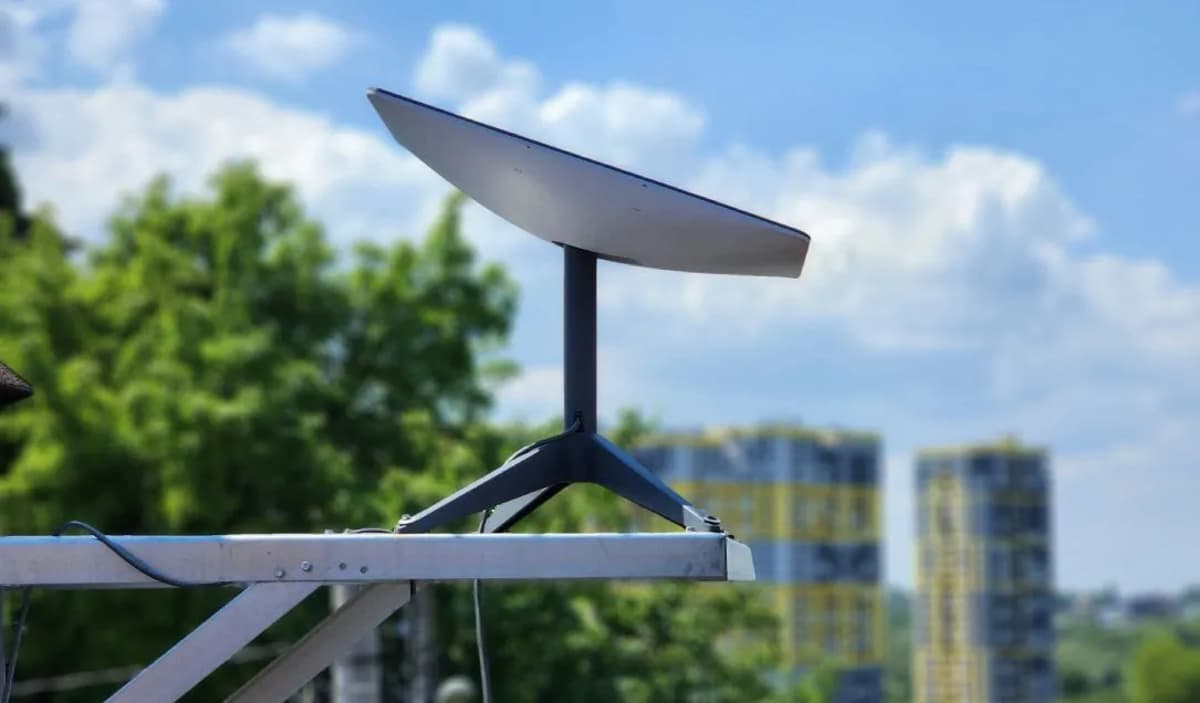
Starlink Restrictions Hit Russian Forces as Moscow Seeks Workarounds
•February 16, 2026
0
Why It Matters
Restricting Starlink access curtails Russia’s real‑time drone warfare, giving Ukraine a tactical edge and highlighting the strategic importance of satellite‑internet controls in modern conflicts.
Key Takeaways
- •Ukraine verifies Starlink terminals, blocks unregistered devices.
- •Russian drone attacks dropped after Starlink shutdown.
- •Moscow seeks illicit registrations to restore satellite connectivity.
- •Ukrainian hackers harvested data via fake terminal restoration scheme.
- •Elon Musk confirmed steps reduced unauthorized Russian Starlink use.
Pulse Analysis
The rollout of Ukraine’s verification platform marks a decisive shift in how satellite broadband is governed in a war zone. By tying each terminal to a verified identity, Kyiv forces every user to register, effectively creating a digital gatekeeper that can instantly disable devices operating outside the system. This policy directly counters the tactical advantage Russia gained when it equipped loitering munitions with Starlink links, allowing drones to navigate beyond line‑of‑sight and evade traditional electronic warfare measures.
On the battlefield, the impact has been immediate. Southern Defense Forces reported fewer kamikaze drone incursions in Zaporizhzhia, attributing the lull to disrupted communications and coordination among Russian units. In response, Moscow‑aligned operatives have begun a covert recruitment drive, offering cash to civilians in occupied areas to register terminals under false identities. These workarounds, ranging from shell companies to coerced family members of POWs, underscore the lengths to which a modern army will go to regain satellite connectivity when conventional channels are sealed.
The cyber dimension adds another layer of complexity. Ukrainian hacktivists, posing as restoration services, lured Russian soldiers into revealing device locations and personal data, amassing over two thousand data packets and modest ransom payments. This intelligence windfall not only aids Kyiv’s defensive planning but also illustrates the vulnerabilities inherent in commercial satellite networks when repurposed for military use. As international debate intensifies over the militarization of commercial space assets, the Starlink saga serves as a case study in how regulatory, operational, and cyber strategies intersect to shape the future of warfare.
Starlink restrictions hit Russian forces as Moscow seeks workarounds
0
Comments
Want to join the conversation?
Loading comments...