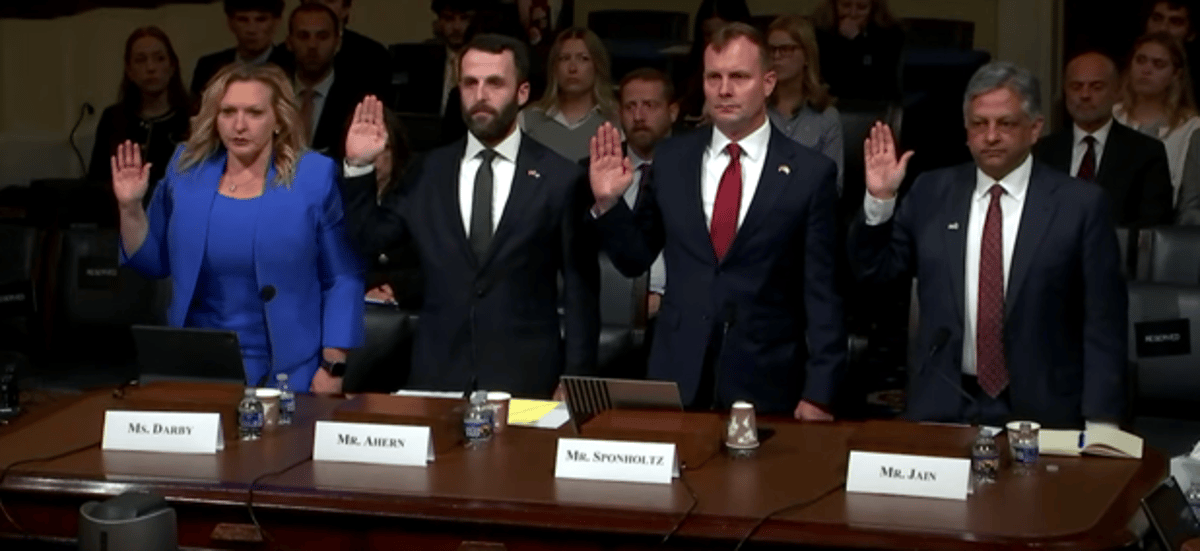
State Leaders Renew Call for Cyber Grant Program’s Renewal
Why It Matters
Continued funding is essential to maintain cyber resilience across U.S. municipalities and prevent a widening gap between attackers and defenders. The program’s expiration would jeopardize critical security services and training for thousands of local employees.
Key Takeaways
- •House passed PILLAR Act for 10‑year grant renewal; Senate offers one‑year
- •Tennessee used $21 M to protect 90,000 endpoints and train 21,000 staff
- •States request stable $4.5 B funding over two years to avoid service gaps
- •Lawmakers urge eliminating cost‑share matches to aid smaller jurisdictions
- •Federal intel sharing deemed essential for local cyber defense
Pulse Analysis
The State and Local Cybersecurity Grant Program, born out of the 2021 bipartisan infrastructure law, has become a cornerstone of municipal cyber defense in the United States. With a $1 billion budget, the initiative channels federal dollars to state and local agencies for endpoint detection, training, and critical infrastructure upgrades. Since its inception, more than 90,000 government endpoints have been secured and over 21,000 employees trained, illustrating the program’s tangible impact on the nation’s cyber resilience. Bipartisan backing reflects a shared recognition that cyber threats ignore municipal boundaries.
Legislative momentum stalled when the House approved the Protecting Information by Local Leaders for Agency Resilience (PILLAR) Act, proposing a ten‑year reauthorization, while the Senate has only offered a one‑year extension. State CIOs, such as Tennessee’s Kristin Darby, warn that a funding lapse would strip local jurisdictions of managed detection services, firewalls, and even jeopardize staffing levels. The $4.5 billion two‑year funding ceiling advocated by industry groups underscores the need for a predictable, multi‑year budget to sustain long‑term procurement and avoid costly service interruptions.
Looking ahead, policymakers face a choice: institutionalize a stable funding stream or risk a fragmented security landscape where smaller towns lose access to federal threat intelligence and shared services. Removing cost‑share match requirements and allowing purchases from the Multi‑State Information Sharing and Analysis Center could lower barriers for under‑resourced jurisdictions. For vendors and cybersecurity firms, a renewed grant program promises continued demand for endpoint protection, training platforms, and managed services, reinforcing the United States’ broader strategy to narrow the gap between attackers and defenders.
State leaders renew call for cyber grant program’s renewal
Comments
Want to join the conversation?
Loading comments...