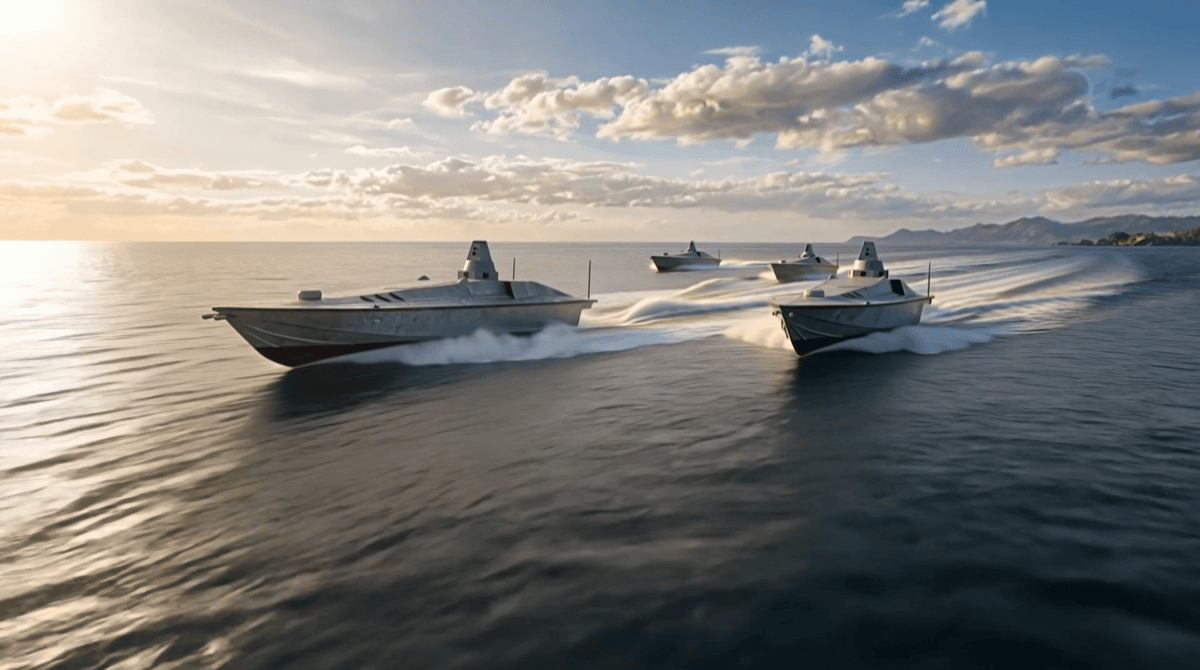
STM Unveils YAKTU Swarm Kamikaze Unmanned Surface Vehicle
Why It Matters
YAKTU introduces affordable swarm capabilities that can overwhelm advanced naval defenses, reshaping asymmetric maritime strategy and expanding Turkey’s export potential in autonomous weapon systems.
Key Takeaways
- •YAKTU reaches speeds over 50 knots, enabling rapid strikes
- •5.8‑meter hull reduces detection, enhancing stealth
- •Swarm AI coordinates multiple units for multi‑vector attacks
- •200‑nautical‑mile range supports extended missions
- •Deployable from ships, coastal stations, or shore bases
Pulse Analysis
The maritime domain is witnessing a rapid shift toward autonomous platforms, and STM’s YAKTU Kamikaze Unmanned Surface Vehicle exemplifies that trend. By marrying a compact 5.8‑meter hull with a diesel‑engine‑waterjet propulsion system, YAKTU can exceed 50 knots while maintaining a low radar cross‑section. Its 200‑nautical‑mile endurance allows it to operate from littoral bases to open‑sea theaters, delivering one‑way kinetic strikes without risking crewed vessels. The system’s AI‑driven swarm architecture enables dozens of units to share sensor data and allocate targets in real time, multiplying combat power while keeping per‑unit costs low.
Turkey’s defense sector has accelerated its push into high‑tech naval solutions, and STM Savunma Teknolojileri is positioning itself as a key exporter. The YAKTU’s indigenous hardware and software reduce reliance on foreign components, aligning with Ankara’s strategic goal of self‑sufficiency. Compared with legacy anti‑ship missiles, a swarm of low‑cost USVs can saturate advanced air‑defence nets, offering a cost‑effective alternative for nations facing budget constraints. The platform also appeals to allied navies seeking to augment existing surface fleets with modular, rapidly deployable strike assets.
Operationally, YAKTU’s dual communication channels—line‑of‑sight and satellite—ensure resilience in contested electromagnetic environments, a critical factor for network‑centric warfare. Potential customers range from NATO members looking to bolster littoral defense to emerging maritime powers interested in asymmetric capabilities. As artificial‑intelligence algorithms mature, future iterations could incorporate loitering, reconnaissance, or electronic‑warfare payloads, expanding the vehicle’s utility beyond kamikaze missions. However, regulatory frameworks governing autonomous lethal systems will shape adoption rates, making policy dialogue as important as technical performance.
STM Unveils YAKTU Swarm Kamikaze Unmanned Surface Vehicle
Comments
Want to join the conversation?
Loading comments...