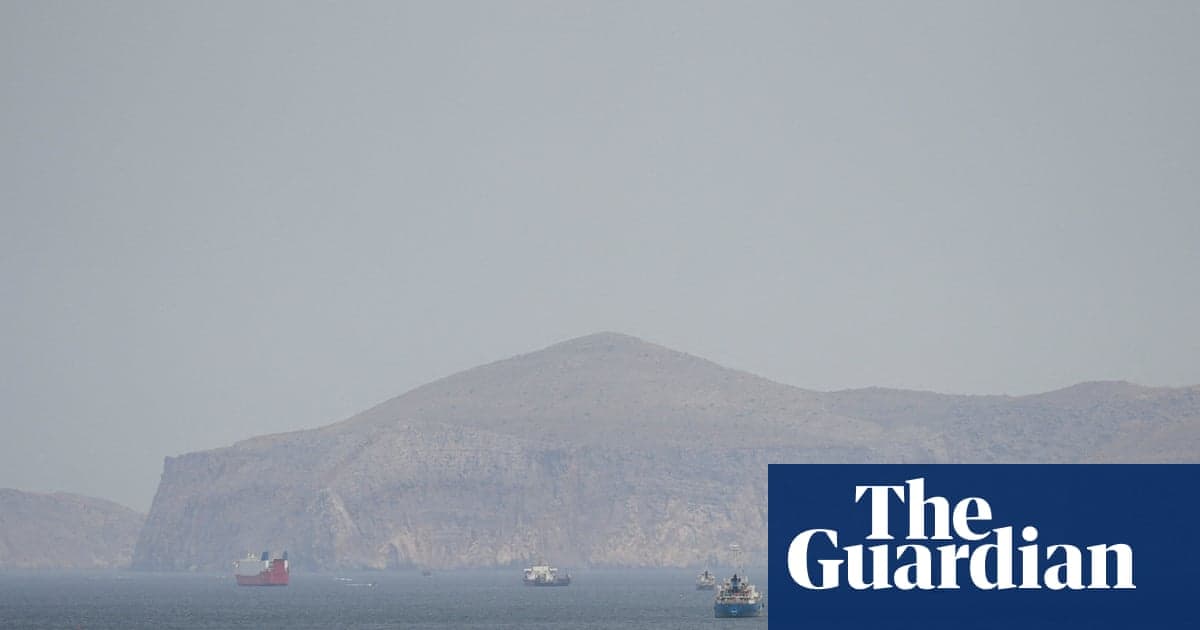
Strait of Hormuz Is Hosting Gunboat Diplomacy as US and Iran Vie for Most Effective Blockade
Why It Matters
The confrontation directly threatens Iran’s primary revenue source and could disrupt a critical segment of world oil supply, prompting heightened market volatility and diplomatic pressure on both sides.
Key Takeaways
- •Iran seized 34 tankers, 19 exited, 15 entered Gulf
- •US expects Kharg Island storage to fill by April 26
- •Potential shutdown could cut 300k‑500k barrels per day
- •Six tankers moved 10.7 million barrels, earning $910 million
- •Oil price stays above $100 per barrel despite blockade
Pulse Analysis
The Strait of Hormuz, through which roughly a fifth of global oil passes, has become a live arena for gun‑boat diplomacy between Washington and Tehran. After President Trump halted a planned air strike, both powers shifted to maritime pressure: Iran’s Revolutionary Guard has been firing on and commandeering commercial vessels, while the U.S. Navy, backed by Treasury sanctions, is intercepting ships and tightening the blockade around Iranian ports. Think‑tank analyses from the Foundation for Defense of Democracies suggest the contest will intensify as each side tries to demonstrate superior control of the chokepoint.
The immediate economic stakes are stark. U.S. officials warn that Kharg Island’s crude‑oil storage will be full by April 26, forcing Iran to shut in production and risking permanent reservoir damage. Analysts estimate a loss of 300,000‑500,000 barrels per day, which could erase $10‑15 billion in annual revenue. Vortexa data shows 34 Iranian‑linked tankers have already skirted the blockade, moving 10.7 million barrels and generating roughly $910 million at a discount to Brent. Yet oil prices remain above $100 a barrel, reflecting market anxiety over supply disruptions.
Beyond the balance sheet, the standoff reverberates through regional politics and domestic pressures. Tehran leverages the strait to signal its leverage over the world economy, while Washington uses the blockade to squeeze the regime’s fiscal lifelines and pressure negotiations. Inside Iran, internet blackouts and rising unemployment fuel public discontent, prompting reformist calls for broader debate. The outcome—whether the blockade forces Tehran back to the negotiating table or escalates into wider conflict—will shape energy markets and geopolitical alignments for months to come.
Strait of Hormuz is hosting gunboat diplomacy as US and Iran vie for most effective blockade
Comments
Want to join the conversation?
Loading comments...