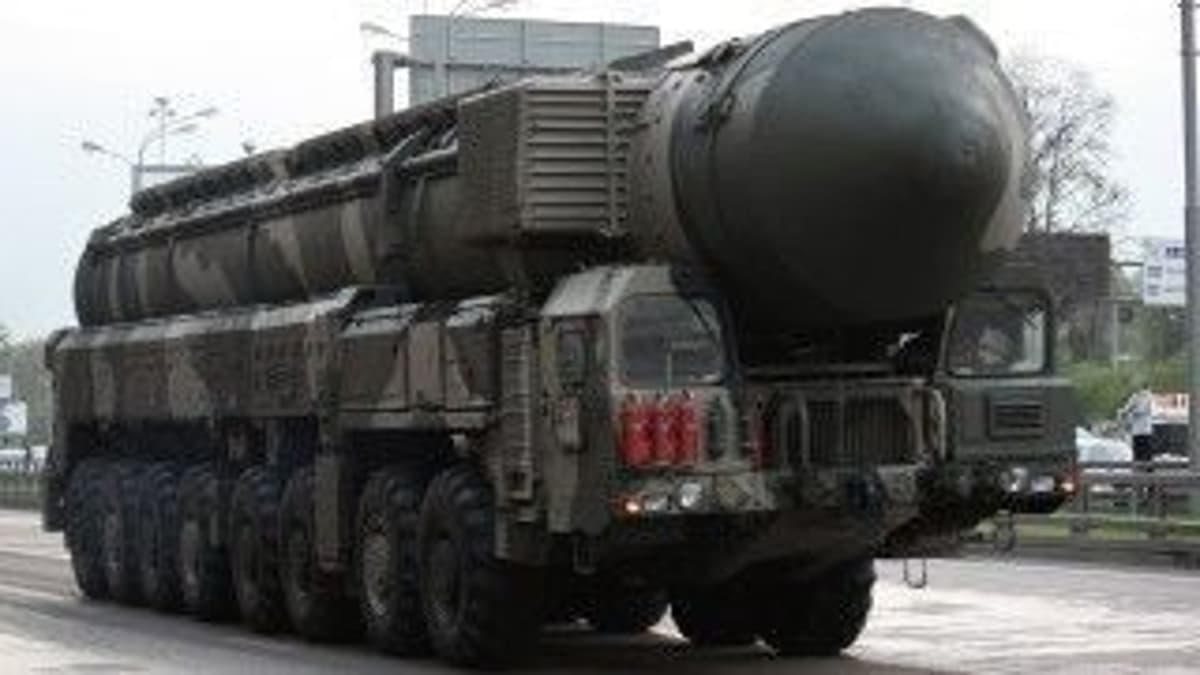
Strategic Signal: Joint Nuclear Drills on the Border
Why It Matters
The drills signal a deeper integration of Russian nuclear capabilities with Belarus, raising the risk of nuclear escalation on NATO’s eastern flank and prompting reassessments of regional defense postures.
Key Takeaways
- •Belarus hosts Russian tactical nukes, expanding Moscow’s forward deployment
- •Joint drills test nuclear delivery from unprepared Belarusian sites
- •Exercises claim no target, yet Poland perceives heightened threat
- •NATO may adjust force posture in response to Belarus‑Russia drills
- •Putin’s past nuclear threats amplify diplomatic concerns
Pulse Analysis
The Belarus‑Russia nuclear drill marks a rare public rehearsal of tactical nuclear deployment on European soil. By simulating delivery, concealment and launch from unprepared areas, the two allies are refining command‑and‑control procedures that have long been kept in the shadows. This transparency, however, serves a strategic purpose: it signals to Warsaw, Berlin and Washington that Russia can project nuclear force beyond its borders, effectively lowering the threshold for rapid escalation in a region already tense over the Ukraine conflict.
For NATO, the drills raise immediate questions about force allocation and deterrence credibility on its eastern flank. Poland, a frontline member, may feel compelled to bolster air‑defense systems and seek additional U.S. tactical nuclear assurances. Simultaneously, the exercises could prompt a diplomatic push for clearer red‑line communication from Moscow, as the presence of Russian tactical warheads in Belarus blurs the line between conventional and nuclear posturing. Analysts warn that any misinterpretation could trigger a cascade of defensive measures, increasing the risk of inadvertent escalation.
Beyond immediate security calculations, the drills reflect a broader shift in Russia’s nuclear doctrine, which has increasingly emphasized flexible, lower‑yield options to deter conventional interventions. By integrating Belarus into this framework, Moscow gains a forward‑positioned platform that complicates NATO’s strategic calculus. The episode underscores the importance for policymakers to balance deterrence with dialogue, ensuring that heightened signaling does not translate into a destabilizing arms race in Central Europe.
Strategic signal: joint nuclear drills on the border
Comments
Want to join the conversation?
Loading comments...